Islamabad | ReNews Pakistan
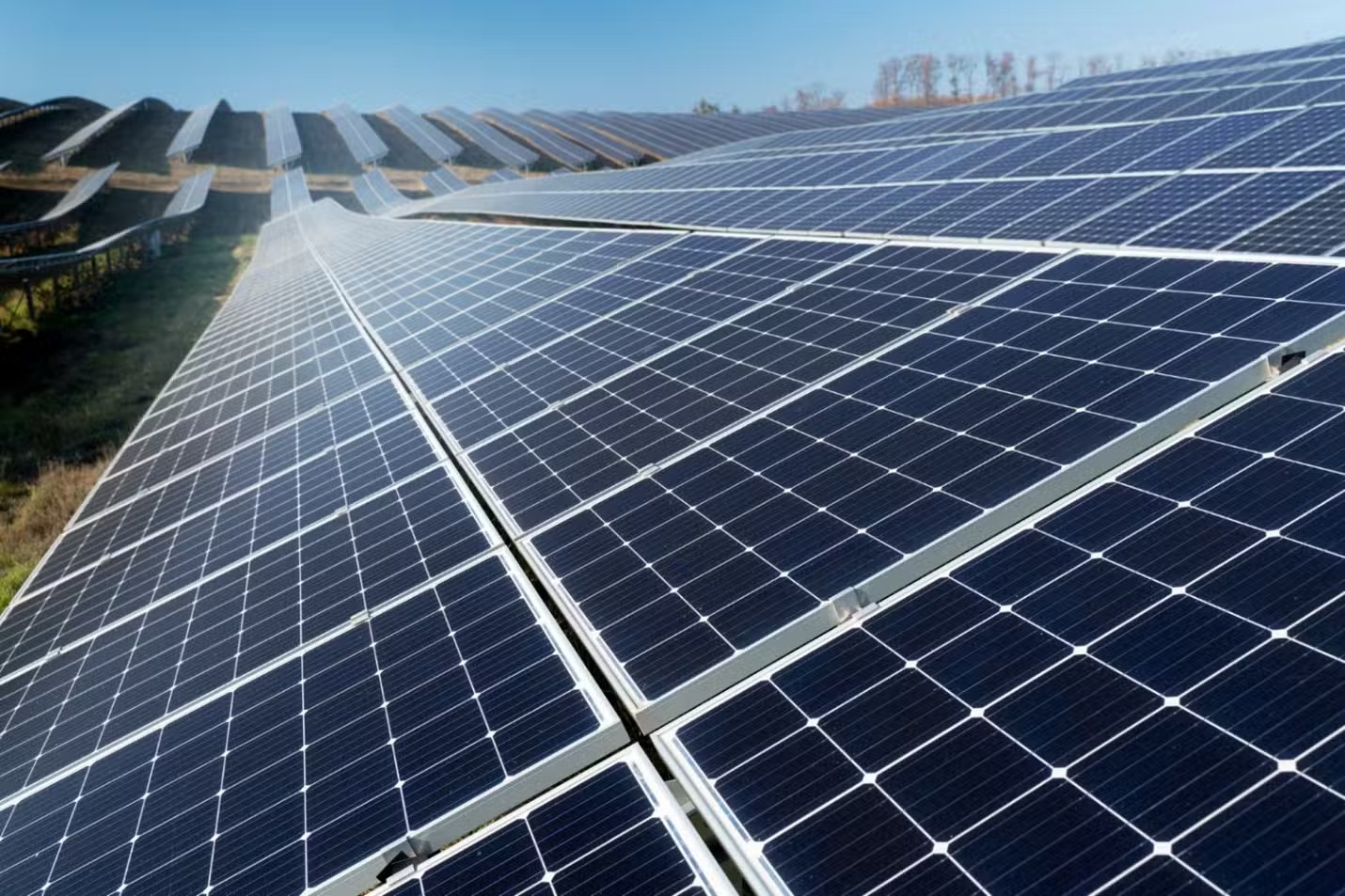
Pakistan’s rapidly expanding solar market is beginning to reshape the country’s traditional power sector business model as households and businesses increasingly reduce their dependence on electricity supplied through the national grid.
Official documents show that overall electricity demand has declined by 8.66 percent year on year, while several power distribution companies recorded significant reductions in electricity sales during the April June period.
The growing installation of rooftop solar systems by residential and commercial consumers has been identified as a major factor behind the decline.
The trend carries major financial implications for Pakistan’s electricity sector because power producers continue to receive fixed capacity payments under existing contractual arrangements even when less electricity is purchased from the grid.
As grid sales decline, these fixed generation costs have to be recovered from a smaller volume of electricity, potentially increasing the cost burden on consumers who remain dependent on the national power network.
The impact is visible in the performance of Islamabad Electric Supply Company (IESCO).
IESCO recorded a 10.77 percent year on year decline in electricity sales in April, followed by reductions of 3.55 percent in May and 6.29 percent in June.
The decline was even sharper among residential consumers. IESCO’s domestic electricity sales fell 19.69 percent in April, 7.92 percent in May and 5.72 percent in June compared with the corresponding months of the previous year.
Commercial consumers also reduced their reliance on grid electricity, with sales declining 6.85 percent in April, 3.80 percent in May and 1.85 percent in June.
Overall electricity demand within IESCO’s service area fell by as much as 16 percent year on year in April, followed by an 8 percent decline in May and a further 2 percent reduction in June.
The figures point to a structural change in Pakistan’s electricity market. Consumers capable of investing in solar systems are increasingly producing part of their own electricity, while the national grid continues to carry the financial obligations of large-scale power generation capacity.
For the power sector, the challenge is increasingly shifting from generating enough electricity to managing fixed generation costs as demand gradually moves away from the grid.
Published: August 17, 2026 - 5:21 PM
Solar Adoption Reshapes Pakistan’s Power Business Model as Grid Demand Falls 8.66 Percent
سولر کا بڑھتا استعمال بجلی کے مہنگے پیداواری نظام کیلئے چیلنج بن گیا، نیشنل سسٹم سے طلب 8.66 فیصد کم ہو گئی
▫️Households and businesses increasingly shift to self generated solar power, cutting electricity sales at distribution companies and raising the capacity payment burden on remaining grid consumers
Islamabad | ReNews PakistanPakistan’s rapidly expanding solar market is beginning to reshape the country’s traditional power sector business model as households and businesses increasingly reduce their dependence on electricity supplied ...