Islamabad | ReNews Pakistan
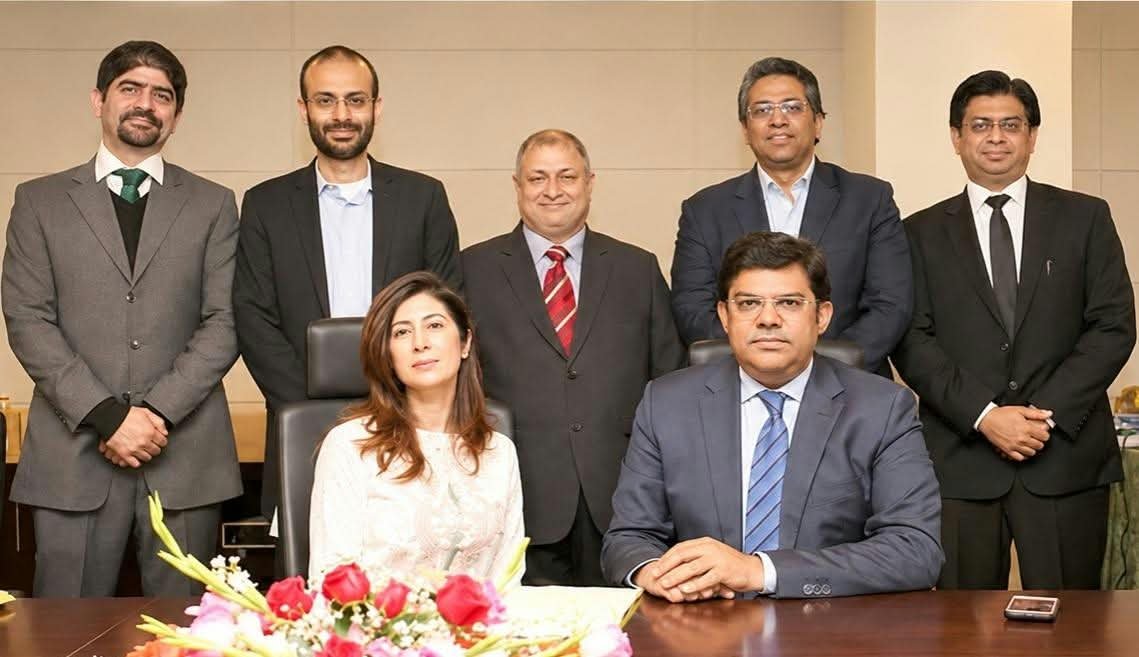
Overseas investors have called on the government to expand Pakistan’s tax base instead of placing additional burden on existing taxpayers, as part of recommendations presented for the Federal Budget 2026–27. The proposals were shared during a meeting between Minister of State for Finance and Revenue Bilal Azhar Kayani and representatives of the Overseas Investors Chamber of Commerce and Industry (OICCI).
The OICCI outlined a comprehensive set of tax reforms aimed at creating a fair, predictable, and investment friendly fiscal environment. Secretary General M. Abdul Aleem said the recommendations were developed after extensive consultations with member companies and emphasized documentation and digitization as key pillars of tax reform. He stressed that all sectors of the economy including agriculture, retail, wholesale, real estate, and services must contribute equitably according to their economic activity.
The meeting was also attended virtually by Dr. Najeeb Memon, Director General of the Tax Policy Office (TPO). Minister Kayani welcomed the input from foreign investors, underscoring the importance of continued engagement with stakeholders to promote economic growth, enhance transparency, and broaden the tax net.
Among its key proposals, the OICCI recommended reducing the corporate tax rate to 28 percent in FY2026–27, followed by a gradual cut to 25 percent over the next three years. It also called for the phased elimination of the Super Tax, noting that when combined with other levies such as the Workers Welfare Fund and Workers Profit Participation Fund, the effective tax burden on companies rises to nearly 46 percent.
The chamber further highlighted concerns about high taxation in the banking sector, warning that it could limit banks’ capacity to deploy capital efficiently, thereby affecting the availability and cost of financing for businesses.
To retain skilled professionals and discourage brain drain, OICCI proposed abolishing the Super Tax and the 10 percent surcharge on high-income salaried individuals, while capping the maximum personal income tax rate at 25 percent.
Additional recommendations included rationalizing withholding taxes, reducing the general sales tax on goods from 18 percent to 17 percent with a gradual reduction to 15 percent, and reviewing minimum and alternate minimum tax regimes.
During the discussion, foreign investors also raised operational challenges, including delays in tax refunds, frequent compliance notices despite a strong track record of compliance, and lack of coordination between federal and provincial tax authorities.
The OICCI emphasized the need to support export oriented industries as a driver of medium-term economic growth. It suggested that targeted policy support, along with flexibility within ongoing IMF programme frameworks, could help maintain competitiveness in global markets.
The chamber expressed optimism that these measures would contribute to a more balanced and predictable tax system, strengthen compliance, attract investment, and support Pakistan’s transition toward sustainable, export
led growth.
The meeting formed part of the Ministry of Finance’s ongoing budget consultations with business leaders and industry stakeholders ahead of the upcoming fiscal year.

Published: April 20, 2026 - 9:40 AM
OICCI Proposes Reduction in Corporate and Income Taxes, Phased Elimination of Super Tax
او آئی سی سی آئی کی جانب سے کارپوریٹ اور انکم ٹیکس میں کمی، سپر ٹیکس کے مرحلہ وار خاتمے کی تجویز
▫️All sectors of the economy, including real estate, agriculture, retail, wholesale, and services, should pay taxes in proportion to their economic activity, say overseas investors
Islamabad | ReNews Pakistan Overseas investors have called on the government to expand Pakistan’s tax base instead of placing additional burden on existing taxpayers, as part of recommendations presented for the Federal Budget 2026–2...