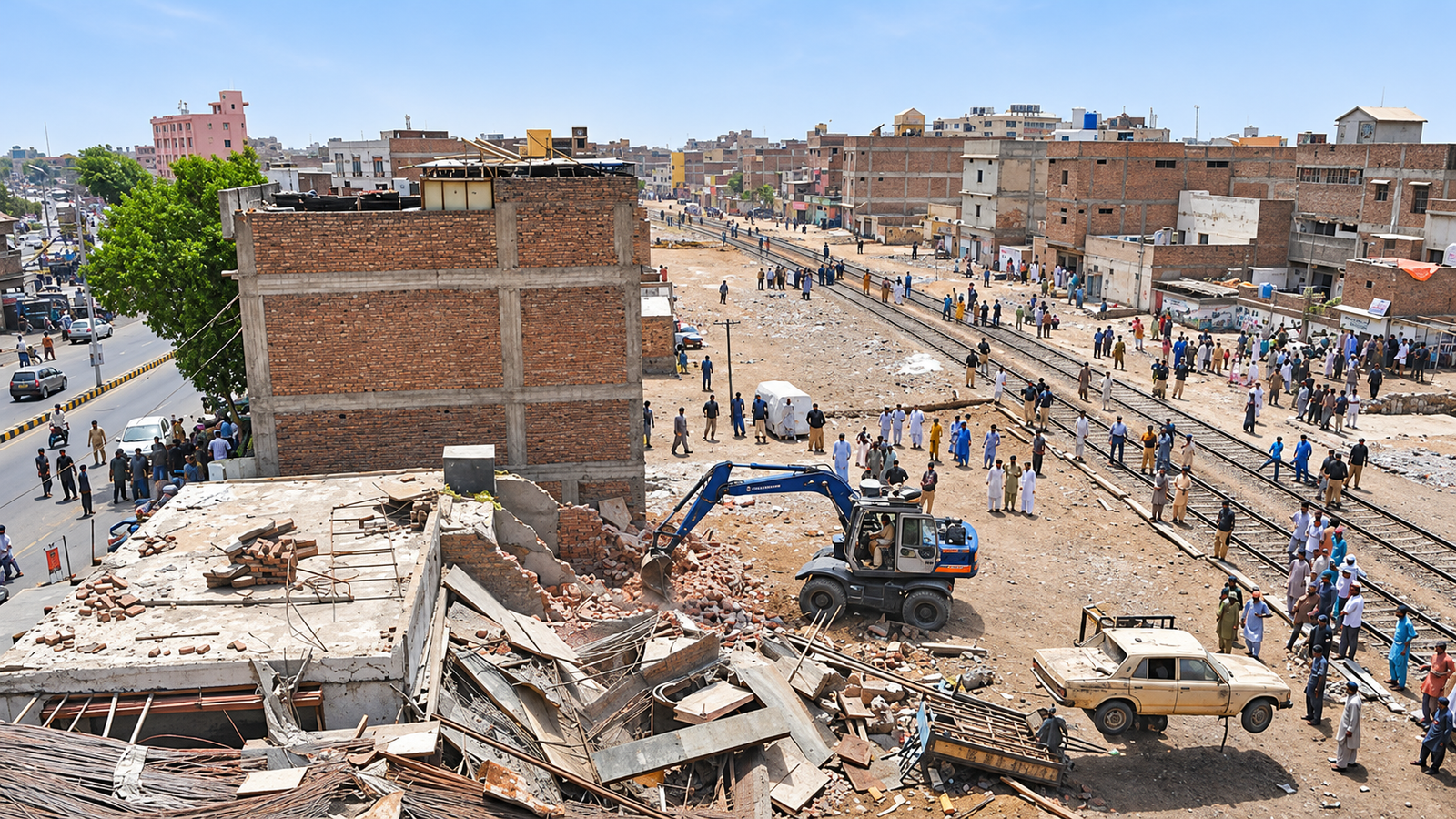
Rawalpindi : Owners of small residential properties in Rawalpindi are facing property tax demands running into hundreds of thousands of rupees, triggering disputes with tax authorities over what residents say is a longstanding exemption for houses measuring up to five marlas.
Residents owning houses measuring between two and four marlas have reported receiving property tax bills ranging from Rs150,000 to Rs300,000. Some homeowners say enforcement action has also been initiated against properties where the demanded tax remains unpaid.
The controversy comes against the backdrop of difficulties faced by the Excise, Taxation and Narcotics Control Department in meeting property tax collection targets in Rawalpindi Division.
According to the reported complaints, the division has experienced a substantial shortfall in property tax collections over the past two years, particularly involving larger commercial and residential properties, shopping malls, plazas and major housing societies.
Residents allege that tax authorities have responded to the revenue shortfall by widening enforcement to include smaller residential properties, including houses that homeowners maintain had previously remained outside the property tax net.
At the centre of the dispute is the treatment of privately owned residential properties measuring up to five marlas.
Residents say the Punjab government granted an exemption from property tax to such houses around 25 years ago. They argue that owners of two-, three- and four-marla properties should therefore not suddenly face demands reaching hundreds of thousands of rupees.
The issuance of the bills has raised questions among homeowners over whether the exemption remains applicable, whether the taxation framework has subsequently been amended and how the amounts appearing on individual bills have been calculated.
Some residents have reported receiving demands of Rs150,000 to Rs200,000, while others claim bills have reached as high as Rs300,000.
The unexpectedly large amounts have particularly alarmed households living in modest properties, with residents arguing that such tax liabilities place a disproportionate financial burden on lower- and middle-income families.
The dispute has intensified following reports of enforcement measures against homeowners who have not paid the disputed amounts.
Residents allege that some small houses have been sealed over non-payment and that tax recovery operations have led to confrontations between citizens and Excise Department personnel.
There have also been allegations that authorities have pursued recovery through household assets in certain cases. These claims have contributed to growing resentment among affected residents and heightened tensions during enforcement operations.
According to the report, property tax collection in Rawalpindi Division has remained substantially below target, with an estimated shortfall of around 50 per cent over the past two years.
Residents contend that authorities should concentrate recovery efforts on major commercial properties, large houses, shopping centres, plazas and housing societies where significant tax liabilities may remain outstanding rather than placing additional pressure on owners of small homes.
The controversy has prompted calls for the Punjab government and senior Excise Department officials to clarify the legal status of the exemption for smaller homes and explain the basis on which the latest property tax assessments have been issued.
Affected residents have also called for the disputed bills to be reviewed and for clear guidance on the tax status of houses measuring up to five marlas.
The Excise Department's detailed position on the residents' allegations and the specific legal basis for the reported tax demands was not included in the original report.
Published: October 2, 2026 - 3:19 PM
Small Homeowners in Rawalpindi Hit With Property Tax Bills of Up to Rs300,000
راولپنڈی میں چھوٹے گھروں کے مالکان کو تین لاکھ روپے تک پراپرٹی ٹیکس کے بل جاری
▫️ Owners of two to four marla houses challenge hefty demands, citing longstanding exemption for properties measuring up to five marlas
Rawalpindi : Owners of small residential properties in Rawalpindi are facing property tax demands running into hundreds of thousands of rupees, triggering disputes with tax authorities over what residents say is a longstanding exemption ...