Currently viewing
Housing Societies Coverage
Urban Flooding and Weak Infrastructure: A Growing Threat to Pakistan’s Cities
July 28, 2026
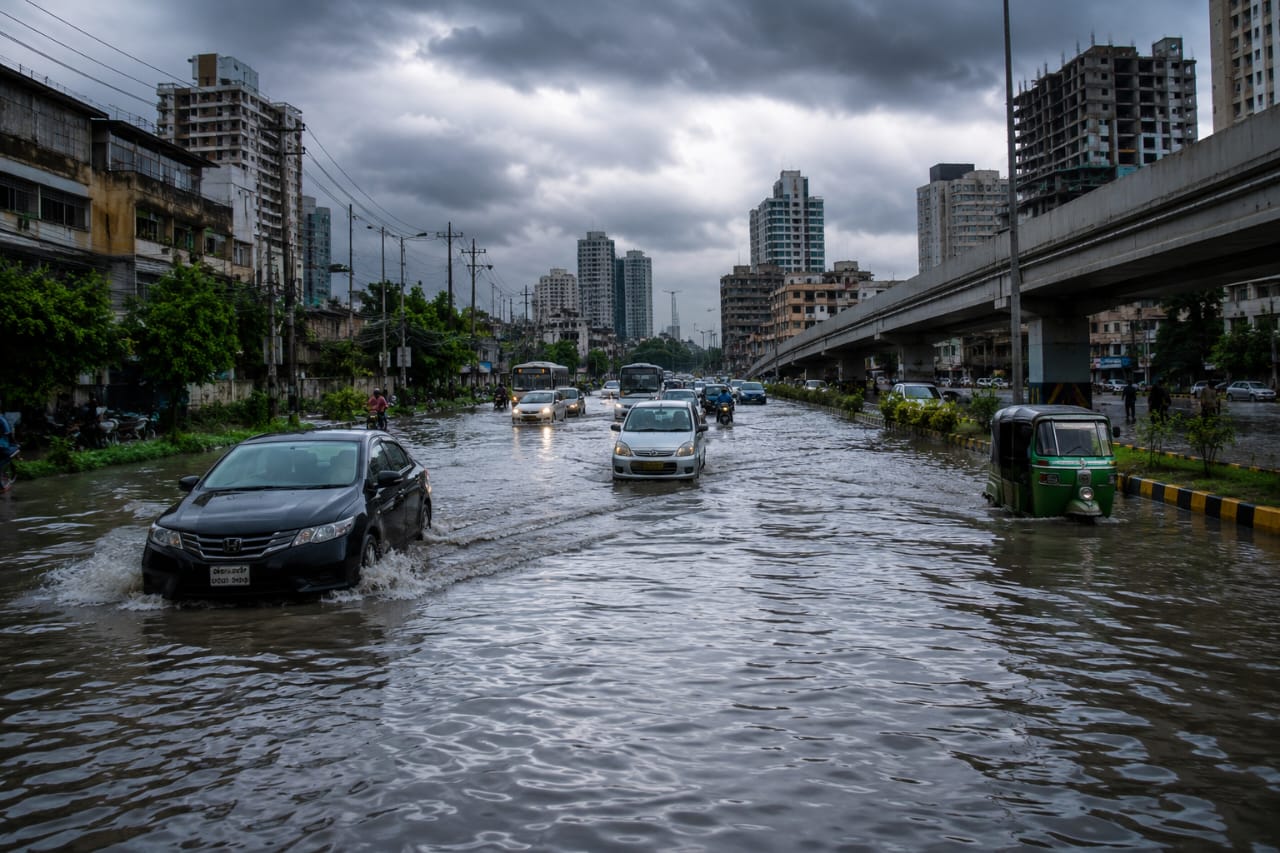
Every year, with the onset of the monsoon season, Pakistan’s major cities face a familiar crisis. A few hours of heavy rainfall can turn roads into pools of stagnant water, paralyse traffic, disrupt commercial activity and bring daily life to a standstill. At first glance, the problem may appear to be the result of unusually intense rainfall. In reality, however, urban flooding is driven not only by changing weather patterns but also by weak infrastructure, poor planning and long-neglected failures in urban governance.
Pakistan’s urban population has expanded rapidly over the past two decades, yet basic infrastructure has not been upgraded at the same pace. Drainage and sewerage systems in many cities are decades old and were not designed to serve today’s population density, construction levels or rainfall intensity. As a result, even moderately heavy rain can overwhelm these systems, forcing water onto roads, into commercial areas and across residential neighbourhoods.
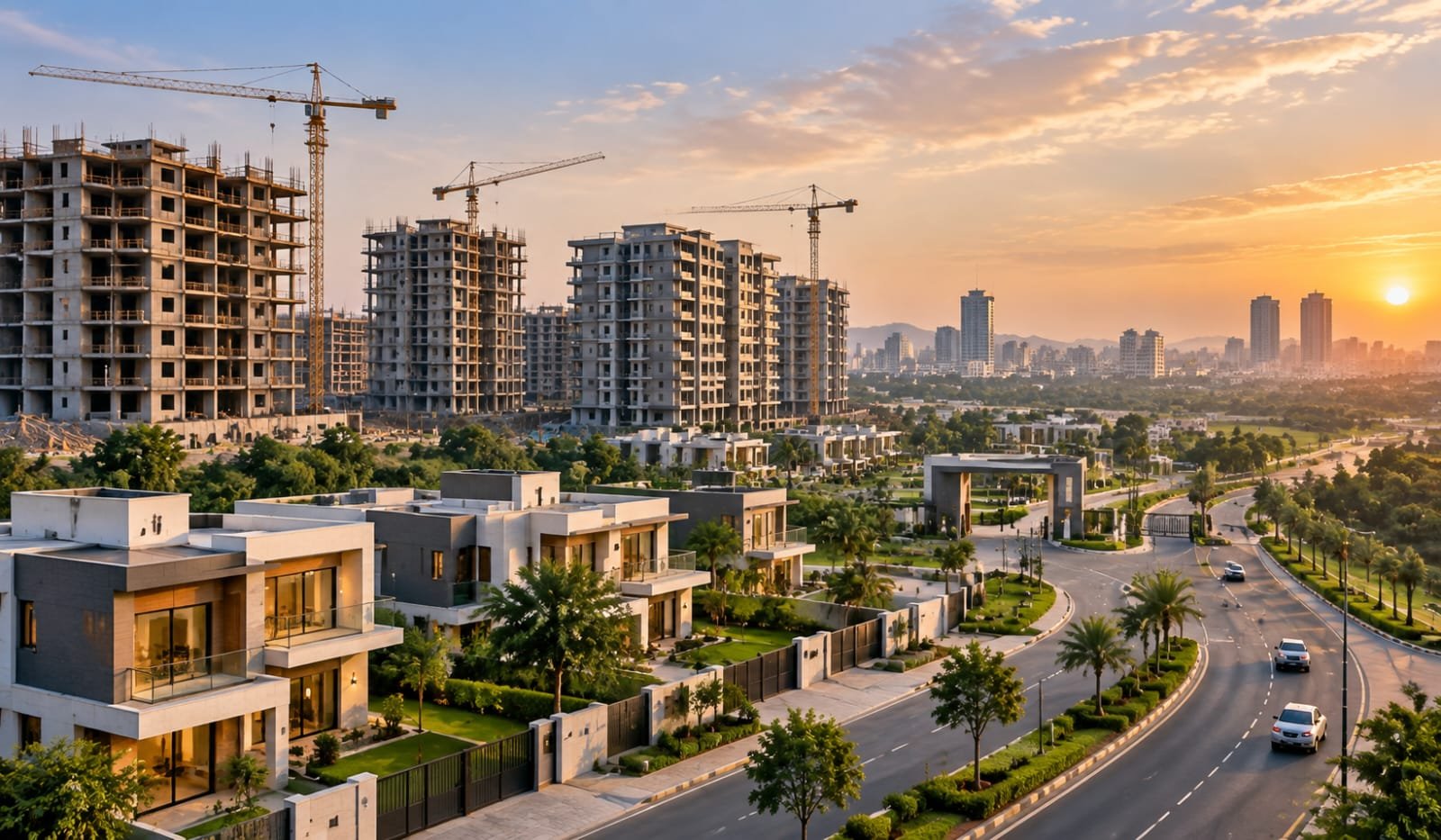
Unplanned urban expansion is another major factor behind the recurring crisis. In several cities, construction has taken place over natural drains, waterways and traditional rainwater channels. Encroachments have further restricted the flow of water, while many new housing schemes have been developed without effective stormwater management systems. Consequently, rainwater that should drain away within hours often remains trapped in urban areas for days.
The economic consequences are equally serious. Every year, flooding damages homes, shops, vehicles, roads and other public infrastructure, causing losses worth billions of rupees. Businesses are forced to close, industrial activity slows and transport networks are disrupted. Urban flooding also creates a major public health risk, as stagnant and contaminated water contributes to the spread of infectious and waterborne diseases.
Cities around the world are responding to similar challenges through modern urban planning, smart drainage systems, rainwater harvesting, green infrastructure and groundwater recharge projects. Pakistan has also launched some initiatives, including recharge wells, drainage upgrades and improved rainwater management schemes. However, these efforts remain limited and must be expanded through a coordinated, long-term national strategy.
Urban flooding is not merely a seasonal inconvenience. It is a test of urban governance, infrastructure planning and environmental resilience. Unless drainage, climate risks, population pressure and future urban needs are treated as central elements of development policy, the problem is likely to become more severe in the coming years.
To make Pakistan’s cities safer, more resilient and more liveable, urban development must move beyond the construction of roads and buildings. Modern drainage systems, strict enforcement of building regulations, protection of natural waterways and integrated city planning must be treated as national priorities. Only through sustained investment and institutional reform can Pakistan reduce the risks of urban flooding and build cities capable of withstanding the pressures of the future.