Currently viewing
Housing Societies Coverage
From Building Plan Approval to Safer Structures: Why Building Code Enforcement Matters in Pakistan
September 14, 2026
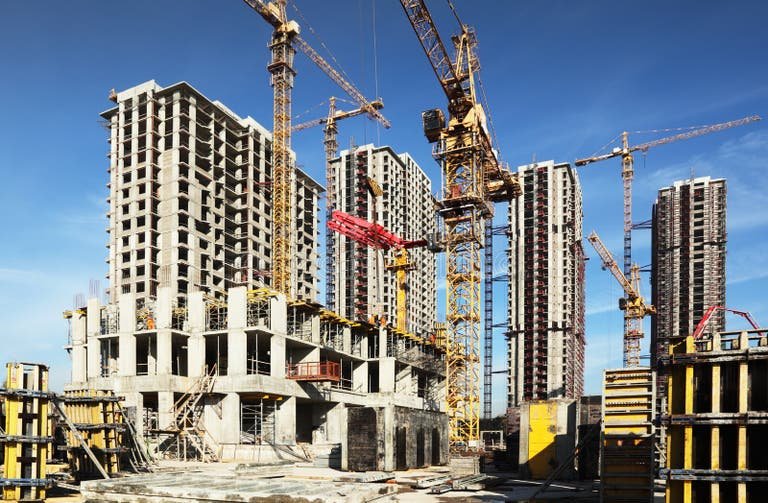
Pakistan’s major cities are witnessing a steady increase in high-rise buildings, residential developments, commercial plazas and housing societies. But urban progress cannot be measured simply by the number of new structures rising across city skylines. A more important question is whether these buildings are safe, legally compliant and constructed in accordance with established standards. This is where effective enforcement of building codes becomes critical.
The Building Code of Pakistan 2021, developed by the Pakistan Engineering Council, sets out key requirements governing the construction, alteration, extension, repair, use, maintenance and demolition of buildings. Its purpose extends beyond regulating construction practices; it is fundamentally aimed at protecting the lives and property of people who live and work in these structures. The code addresses areas including structural safety, safe means of access and exit, sanitation, light and ventilation, energy conservation, and protection against fire and other hazards.
Pakistan’s challenge, however, is not merely the existence or absence of building regulations. The more significant issue is their effective enforcement. Approval of a building plan should not mark the end of regulatory oversight. Authorities need to ensure throughout different stages of construction that work remains consistent with approved plans, structural designs and prescribed safety requirements.
Responsibility for enforcement is also not confined to a single institution. Under Pakistan’s Fire Safety Provisions 2016, building control bodies, housing and development authorities, district and municipal administrations, cantonment administrations and other relevant public authorities have roles within their respective jurisdictions. Effective building control therefore requires clearly defined responsibilities, institutional coordination and consistent regulatory oversight.
Fire safety is one of the most critical aspects of building regulation. In the event of a fire in a high-rise building, the availability of a fire brigade alone cannot guarantee public safety. Proper emergency exits, fire alarm systems, fire-control measures and building designs that allow occupants to evacuate safely are essential. Pakistan’s Fire Safety Provisions 2016 provides a framework of relevant safety and enforcement requirements for both new and existing buildings.
Seismic risk is another factor that cannot be overlooked. The Pakistan Engineering Council has also incorporated seismic provisions into the country’s building regulatory framework. As the level of earthquake risk varies across different parts of Pakistan, structural design needs to take local seismic conditions and associated risks into account.
Effective enforcement of building codes is therefore not simply an issue for the construction industry; it is a matter of urban governance and public safety. Pakistan needs a transparent and effective monitoring system that extends from the approval of building plans through construction and completion to the eventual occupation and use of a property. Unauthorized additional floors, deviations from approved plans and violations of safety requirements should be identified and addressed in a timely manner.
Pakistan does not simply need more buildings; it needs safer buildings. Strong building codes are essential, but their consistent and impartial enforcement is even more important. Building regulations are not merely provisions written on paper. When properly enforced, they can make the difference between safety and catastrophe when a building is confronted by fire, an earthquake or another emergency.