Currently viewing
Housing Societies Coverage
Punjab Launches Grand Operation Against Environmental Violations: What Positive Impacts Can Be Expected?
September 5, 2026
Punjab Launches Grand Operation Against Environmental Violations: What Positive Impacts Can Be Expected?
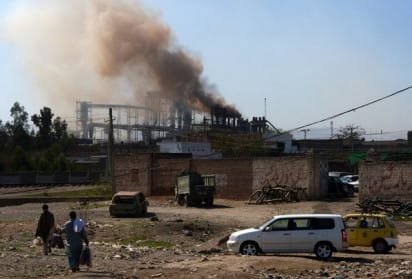
The decision to launch a large-scale operation against environmental pollution in Punjab comes at a time when air pollution, smoke emissions, poor construction practices, industrial waste, excessive use of plastic and violations of environmental regulations have become persistent challenges for residents of major cities across the province. The government’s operation can be viewed not merely as an effort to curb pollution, but also as an important move to bring urban management and commercial activities within the framework of environmental laws.
The enforcement campaign places particular emphasis on monitoring industrial units, factories, brick kilns, construction projects, commercial activities and smoke-emitting vehicles. Where an industrial or commercial unit releases hazardous smoke or pollutants, fails to take necessary measures to control dust during construction or ignores environmental requirements in a development project, the relevant authorities can take enforcement action.
Construction is another important area covered by the operation. In major cities, particularly Lahore, rapidly expanding construction activity often contributes to the spread of dust and debris. Measures such as installing protective nets at construction sites, regularly sprinkling water, properly disposing of construction waste and preventing soil and debris from spreading onto roads are not merely administrative requirements; they are essential for protecting public health. Effective implementation of these measures can significantly reduce the environmental impact of construction activities.
The operation is also significant for Pakistan’s real estate sector. If housing schemes, commercial developments and major construction projects fail to comply with environmental requirements, developers may face legal action, while the approval and completion of such projects could also be affected. It is therefore essential for developers and builders to take environmental regulations, land use, drainage and other relevant requirements into account from the initial planning stage.
On the other hand, strict enforcement of environmental regulations could increase costs for the business community. Industrial units may have to invest in modern filtration systems, pollution-control technologies and safe waste-disposal mechanisms. However, over the long term, such investment should be viewed not simply as an additional burden but as a necessary cost for achieving a cleaner environment, better public health and sustainable development.
The real challenge lies not merely in announcing the operation but in ensuring its consistent, transparent and impartial implementation. If enforcement remains limited to selected areas or particular businesses, the desired results are unlikely to be achieved. The government will need to establish an effective monitoring mechanism, ensure clear rules, maintain transparency in enforcement and adopt a uniform policy against violators.
Punjab’s grand operation against environmental violations therefore represents an important opportunity for the province to place environmental protection alongside development and construction among its key priorities. If environmental laws are enforced fairly and without discrimination, the initiative could not only help reduce pollution but also contribute to more organised, safer and sustainable urban and real estate development across Punjab.