Currently viewing
Housing Societies Coverage
Pakistan Needs an IMF Independent, Comprehensive and Sustainable National Real Estate Policy
June 19, 2026
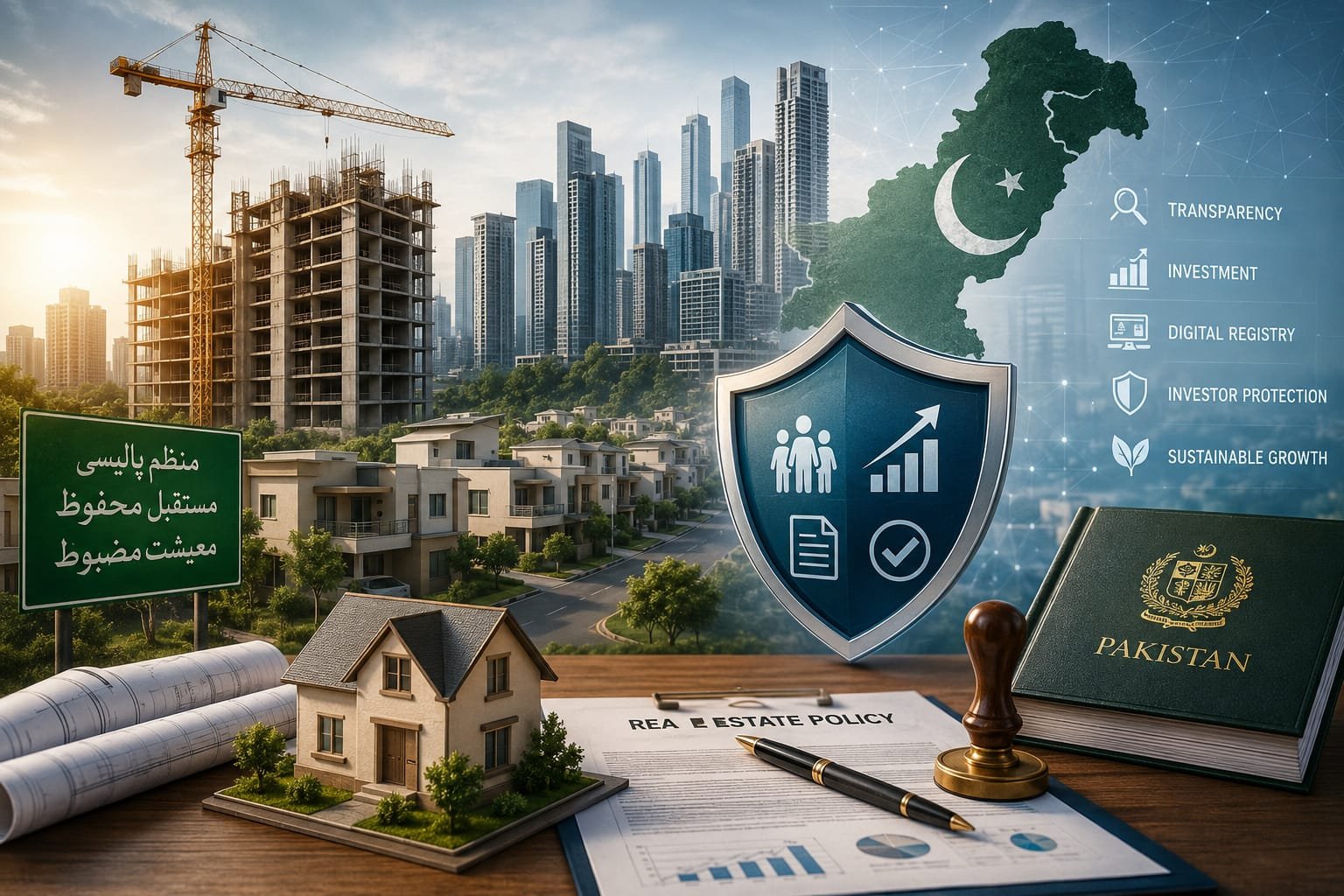
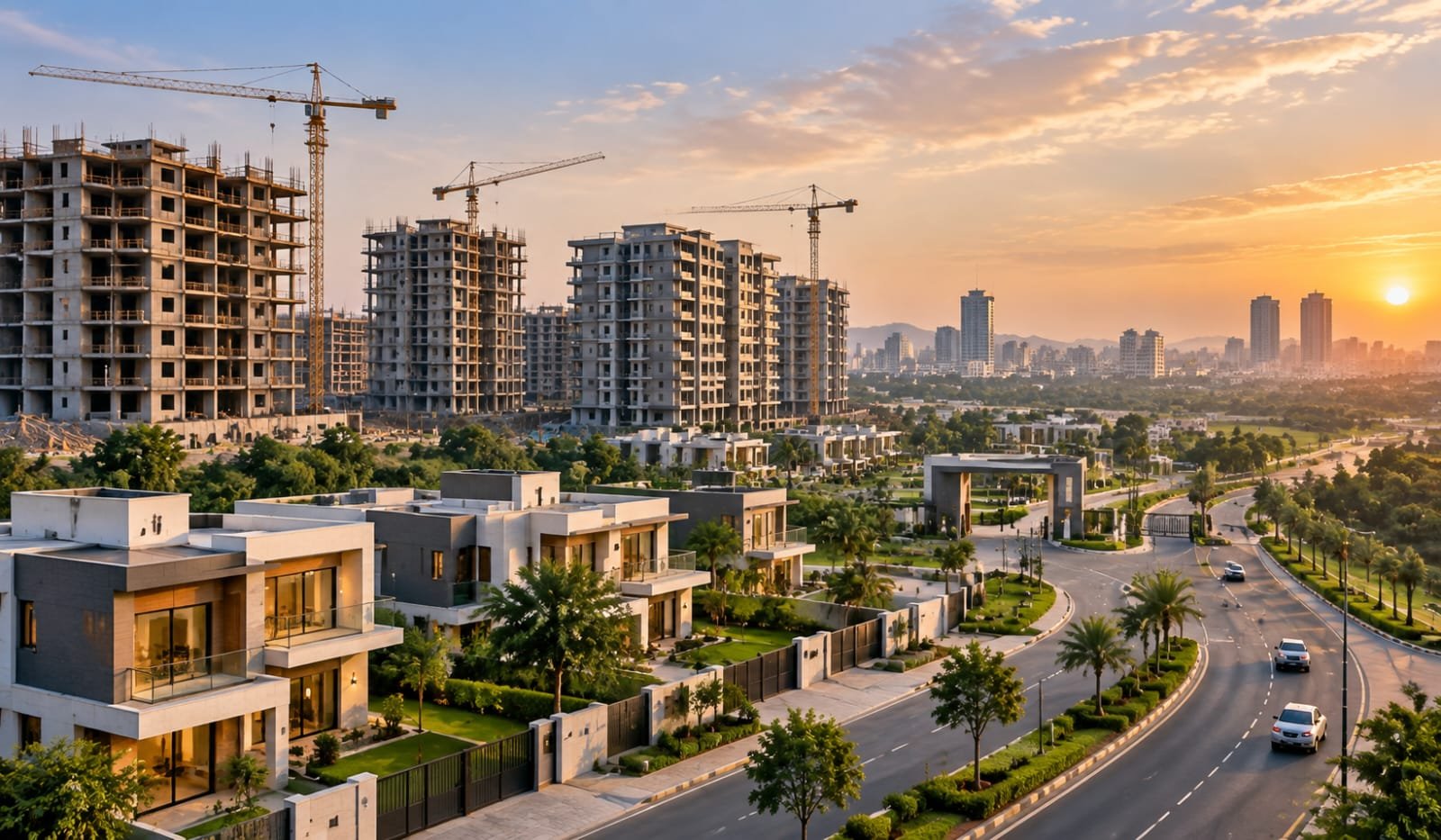
Pakistan’s real estate sector is a key pillar of the national economy, yet it has long suffered from unclear policies, frequently changing tax regimes, weak investor confidence and the pressure of undocumented transactions. The Government of Pakistan must now recognise that real estate is not merely about the buying and selling of land and plots; it is a broad economic ecosystem linked to construction, employment, banking, industry, urban development and national investment.
A solid, comprehensive and workable national policy for this sector is now an urgent need. Such a policy should not be framed only from the perspective of tax collection. Instead, it must be connected with economic revival, investment promotion, transparency, urban planning and public housing needs. The government should introduce a long-term policy framework for real estate, clearly defining tax rates, registration procedures, valuation mechanisms, housing schemes, construction approvals and investment rules for at least the next five to ten years.
Frequent changes in taxes and rates under the pressure of IMF conditions have pushed the sector into deeper uncertainty. Pakistan needs an internal economic strategy that does not treat real estate merely as a source of immediate revenue, but as a driver of documentation, employment and industrial activity. A transparent digital registry, a tax system close to real market value yet affordable, one-window approvals, complete computerisation of land records and clear laws for investor protection should form the core of this policy.
Similarly, a special framework is essential to ensure safe investment for overseas Pakistanis. If they are provided with a fast-track complaint mechanism, protection against illegal occupation of property, online verification and digital registration facilities, billions of rupees in investment can return to the country. The government must also introduce strict but fair regulation to control the unplanned use of agricultural land, illegal housing societies and unchecked urban sprawl.
The objective of a real estate policy should not be revenue generation alone; it must also make housing accessible to ordinary citizens. Low-cost housing, tenancy laws, housing finance and the construction industry should be strengthened through affordable facilities. If the government seriously formulates a permanent, transparent and IMF-independent national real estate policy, this sector can give Pakistan’s economy a new direction. The time has come to place real estate at the centre of a formal national development policy, rather than treating it through temporary tax measures.