Production at Pakistan’s Reko Diq copper-gold project could be delayed by two years, from 2028 to 2030, as investors assess security conditions in Balochistan and tensions in the Middle East, Dawn reported. The conflict in neighbouring Iran, alongside persistent security challenges in Balochistan, has led investors to revisit the project’s original schedule.
Barrick Mining, the Canadian company operating the project, is expected to resume full-scale development by mid-2027 after completing an internal review, although it has not officially announced a revised construction timeline. Barrick began a formal review in February 2026 and extended its assessment period into early 2027. Speaking at the Mining Forum Americas last month, the company’s chief executive did not set out a new construction schedule, saying improvements in security were needed before Barrick could commit to a full-scale programme. Project activity has slowed, but management has retained all 700 permanent employees and about 2,000 contract workers at the site.
Some third-party service contracts have been allowed to expire, while research, administrative work and community development projects continue, according to the report. Nearly $1 billion has been invested in the project so far. It remains a strategic priority for the company and the government and is considered technically viable, though its development schedule could be affected by external conditions.
Barrick Chairman John L. Thornton is scheduled to visit Pakistan later this month for the Pakistan Minerals Investment Forum 2026 in Islamabad.
Assessments of the potential cost of a delay differ. One estimate puts cost escalation at $8 billion to $10 billion if work resumes within a year, and warns that a further deterioration in security or delays of more than two years could make the project prohibitively expensive. Another assessment estimates the increase at about 10 percent, or roughly $450 million to $900 million. The report said sentiment around the project had improved in recent weeks.
A proposal has also been made for a consortium of local companies to acquire a minority stake. Separately, concerns have been raised that only 30 to 35 percent of the copper-gold output may be processed in Pakistan, with the remainder sent to the operator’s Australian facility, potentially limiting domestic value addition. The project’s estimated capital cost has increased from earlier projections of about $7 billion to approximately $9.1 billion. Phase 1 investment is now estimated at $5.6 billion, up from $4 billion, while Phase 2 is expected to require a further $3.5 billion.
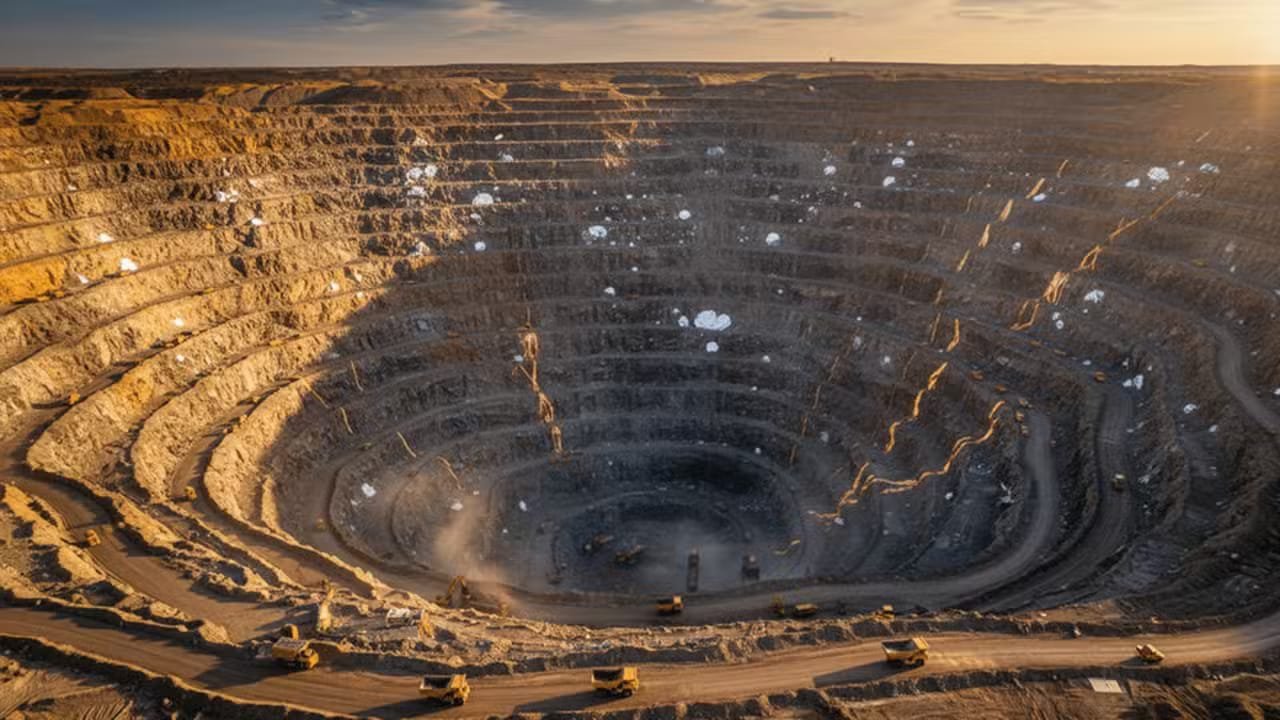
Designed as an open-pit mine and processing operation, Reko Diq is expected to produce copper-gold concentrate.
Initial capacity is planned at 45 million tonnes of ore a year, rising to 90 million tonnes after Phase 2.
The mine was initially planned to operate for 40 years. An updated feasibility study revised its estimated life to 37 years to account for higher throughput, while further exploration and resource development could potentially extend operations to as much as 80 years.
Reko Diq is projected to create 7,500 jobs during peak construction and support about 4,000 permanent positions once operational. Based on long-term commodity-price assumptions, projected free cash flow over 37 years is estimated at $74 billion.
Barrick holds a 50 percent stake in the project. The remaining 50 percent is held by the Balochistan government and three Pakistani state-owned entities: Pakistan Petroleum Limited, Oil and Gas Development Company and Government Holdings Private Limited.
Published: November 2, 2026 - 11:01 AM
Reko Diq Production Could Be Delayed Until 2030
ریکوڈک میں پیداوار 2030 تک مؤخر ہونے کا امکان
▫️ Security concerns in Balochistan and regional tensions have prompted investors to reassess the project’s 2028 timeline
Production at Pakistan’s Reko Diq copper-gold project could be delayed by two years, from 2028 to 2030, as investors assess security conditions in Balochistan and tensions in the Middle East, Dawn reported.