The Sindh government has set a target to increase annual property tax collection across Karachi’s 25 town municipal corporations from Rs 2.3 billion to Rs 25.5 billion under the Sindh Property Revenues Enhancement Programme, or Sindh PREP.
The provincial cabinet approved the programme’s financing and implementation package on 20 October. On 30 October, the World Bank announced US$150 million in financing for Sindh PREP, which aims to improve urban property tax collection and strengthen municipal services.
A World Bank Learning and Results Note released on 25 November reviewed the earlier Competitive and Livable City of Karachi project, known as CLICK. It says Karachi’s property database grew from 976,000 to 4.5 million records, while tax compliance stood at about 22 per cent.
The note estimates that annual property tax revenue could reach US$38 million if compliance remains at 22 per cent, and US$85 million if it rises to 50 per cent. It says the expanded property database needs to be supported by stronger billing, payment and collection systems.
CLICK introduced a digital system for property identification, valuation, billing, payments and complaint handling. Its survey recorded 73 per cent of properties as residential, 18 per cent as commercial and 9 per cent in other categories.
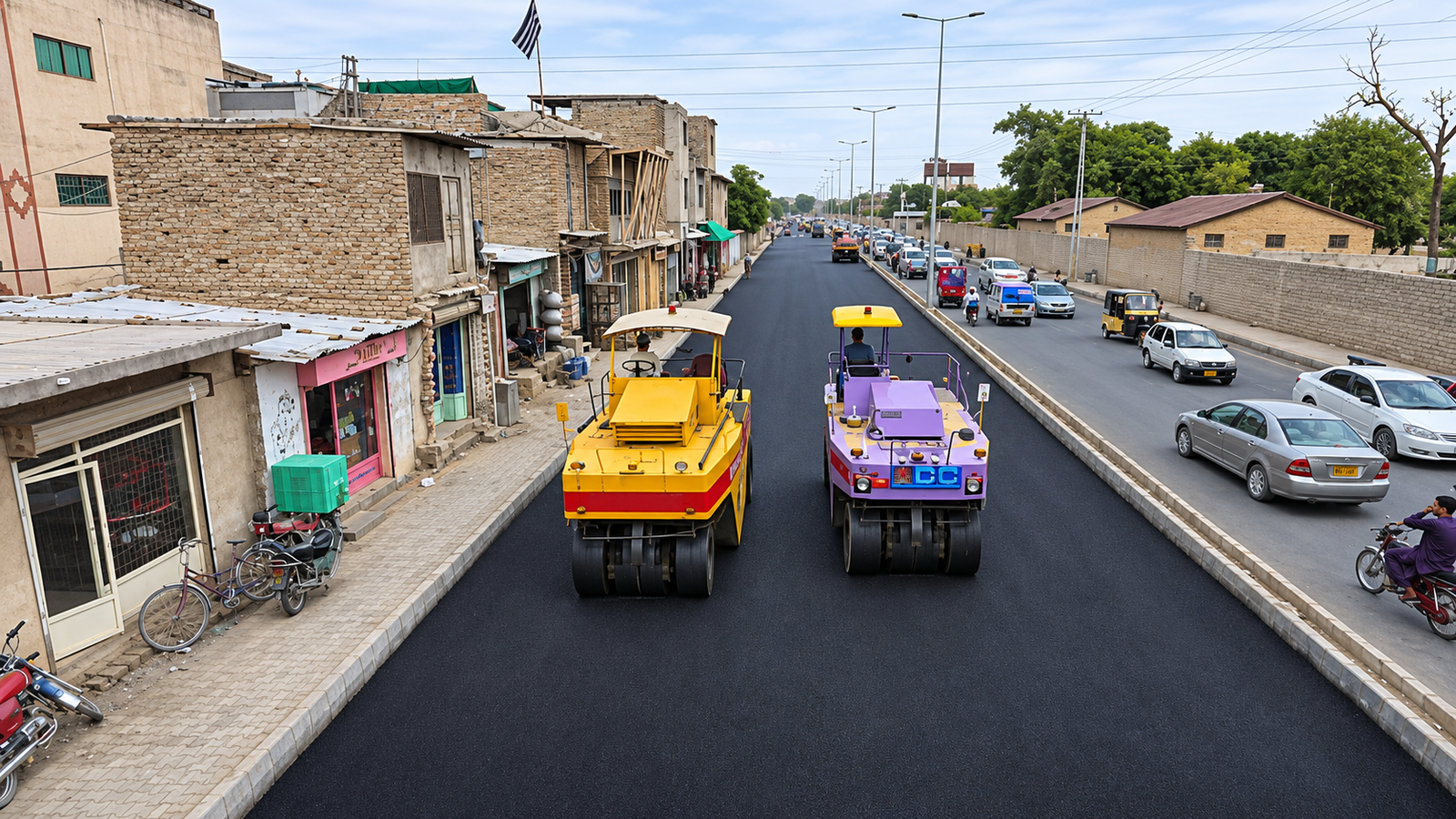
The World Bank rated CLICK’s overall outcome satisfactory. By the project’s closure in May 2026, 177 of its 202 infrastructure schemes had been completed, benefiting more than three million people. The works included improvements to roads, drainage and sewerage. The report also noted delays in the project’s earlier years, linked in part to the COVID-19 pandemic, the 2022 floods and administrative changes.
Sindh PREP will support property tax collection and municipal services in Karachi’s 25 local councils. The World Bank identifies 3.58 million residents of those councils as the programme’s primary beneficiaries.
A separate component will support property surveys and tax administration in 20 local councils in other urban centres of Sindh, with an estimated indirect benefit to about 4.5 million people. The World Bank says around 70 per cent of property tax revenue collected in Karachi will be reinvested in infrastructure and municipal services in participating councils. These may include roads, drainage, sewerage, schools, fire stations and street lighting.
The CLICK report also highlights lessons for future programmes, including Sindh PREP: property surveys need to be matched by stronger tax compliance measures and effective coordination among government institutions.
Published: November 27, 2026 - 10:01 AM
Sindh Sets Rs 25.5 bn Karachi Property Tax Collection Target
سندھ حکومت کا کراچی میں پراپرٹی ٹیکس کی سالانہ وصولی 25 ارب 50 کروڑ روپے تک بڑھانے کا ہدف
▫️ The target covers Karachi’s 25 town municipal corporations. A World Bank note released on 25 November says the city’s property database has grown to 4.5 million records, while tax compliance stands at 22 per cent.
The Sindh government has set a target to increase annual property tax collection across Karachi’s 25 town municipal corporations from Rs 2.