Gujranwala : ReNews Pakistan
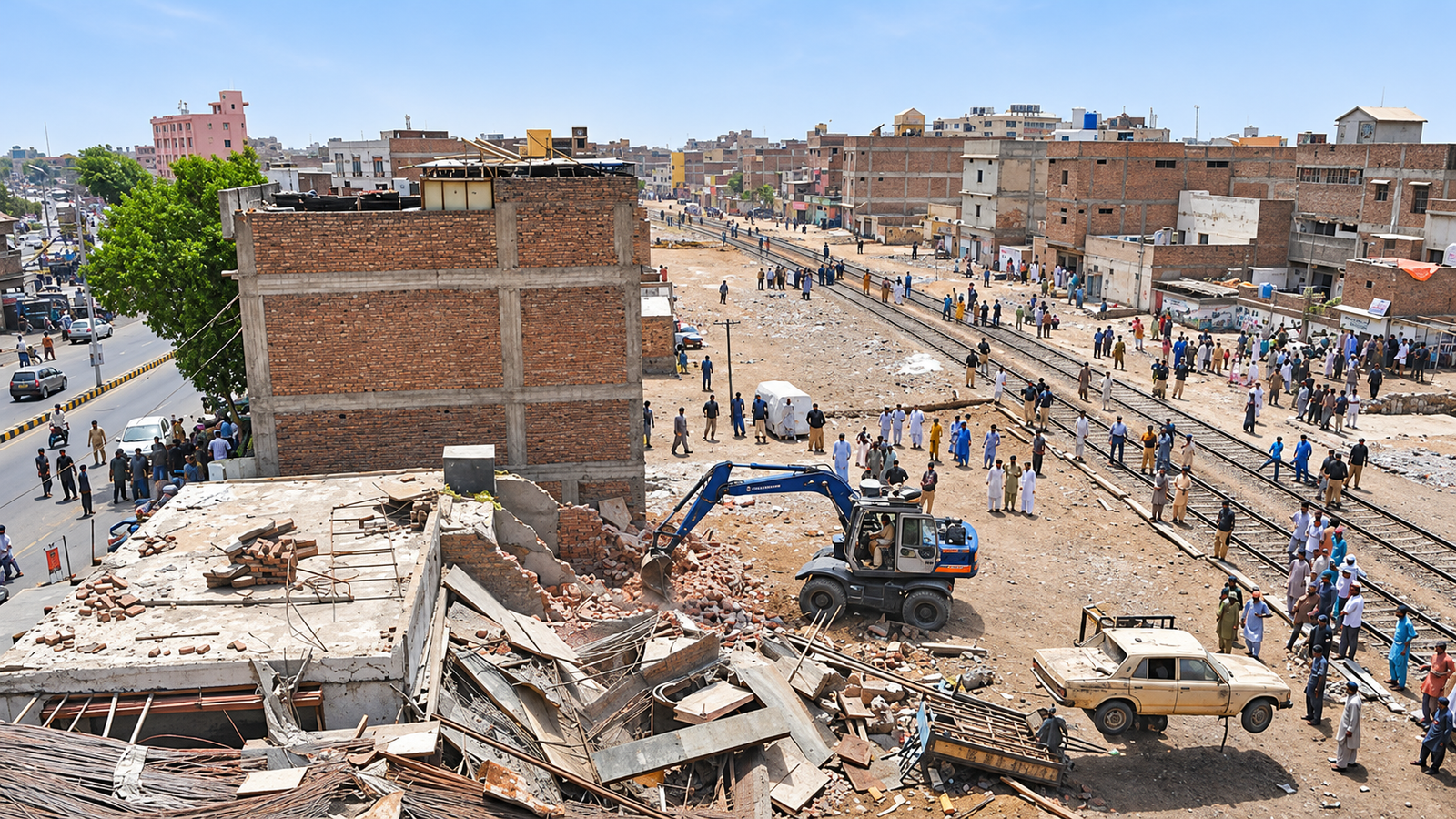
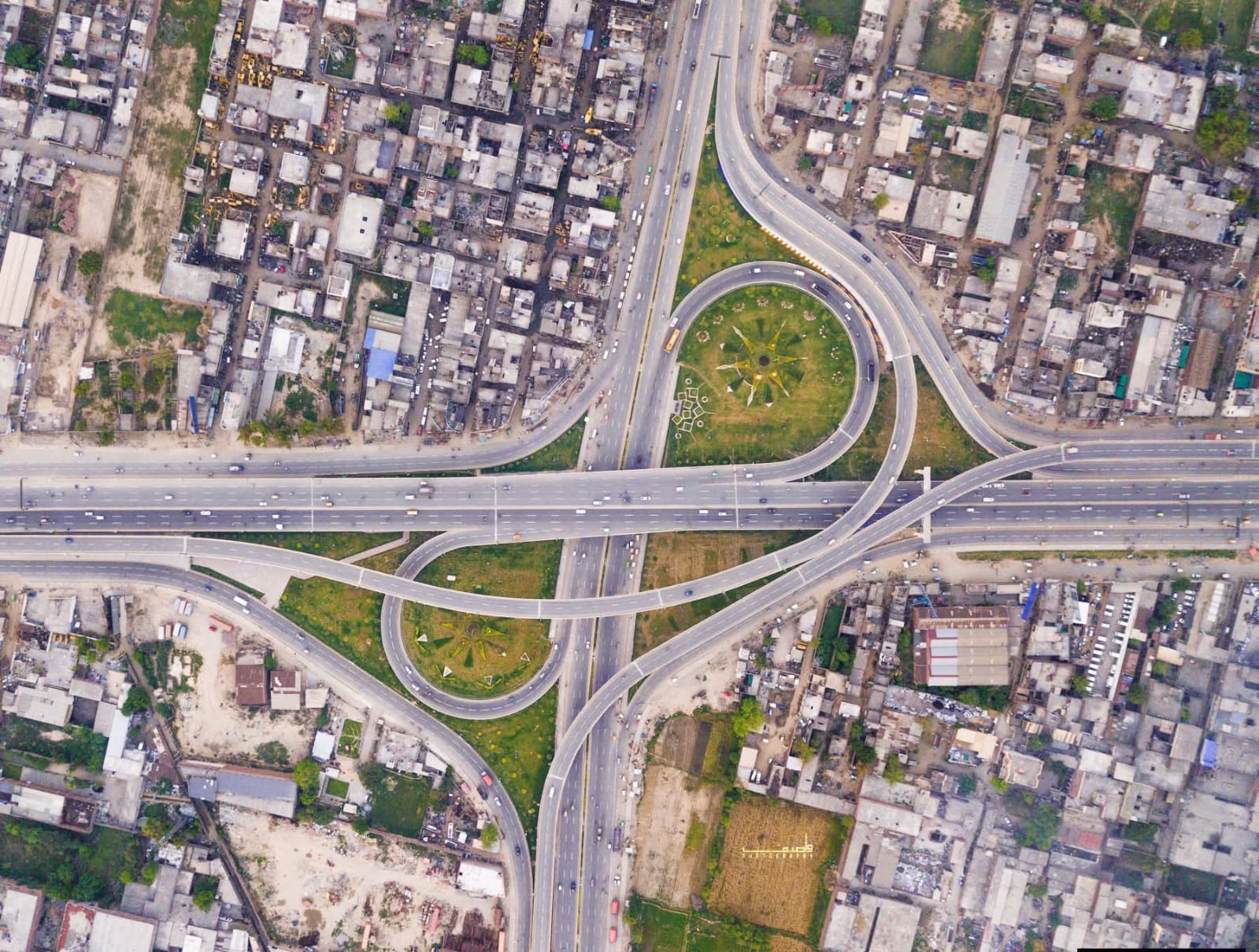
The Punjab government has directed authorities to accelerate work on Gujranwala’s master plan as part of efforts to manage the city’s growing population, expanding residential and commercial development, and rapidly urbanizing peripheral areas.
Under the initiative, the scope of town planning will not remain confined to the central city but will also be extended to Gujranwala’s outlying areas to ensure more organized urban growth.
On the instructions of Punjab Chief Minister Maryam Nawaz Sharif, Housing Secretary Noor-ul-Amin Mengal has assigned key responsibilities to the newly appointed Director General of the Gujranwala Development Authority (GDA), Sajjad Ahmed, directing him to advance work on the city’s master plan effectively and at a faster pace.
The housing secretary specifically instructed the authority to expand town planning coverage to suburban and peripheral areas so that future urban growth can be aligned with projected requirements for housing, commercial activity, industry, transport and other civic facilities.
The need for a comprehensive master plan has become increasingly important because the Gujranwala Development Authority is responsible for a wide range of town planning functions, including the approval of private housing schemes and land subdivisions, regulation of land use, action against illegal housing schemes and preparation of broader urban development plans.
Under GDA regulations, approval for a private housing scheme may generally be granted only where the land is designated for residential or peri-urban use under the relevant master plan or another approved land-use plan.
Organized land-use planning has remained a longstanding challenge in Gujranwala. A previous special audit report by the Auditor General of Pakistan had pointed out that the absence of a clearly defined master plan and incomplete demarcation under the peri-urban structure plan created difficulties in determining actual land uses and the location of private housing schemes.
The report had also highlighted the need for clearer classification of residential, commercial, industrial, agricultural and peri-urban land.
In recent years, the Punjab government has also prioritized the issue at the provincial level. In January 2025, the provincial government approved in principle the establishment of the Punjab Special Planning Authority as part of broader efforts to curb illegal housing schemes and introduce a stronger system for residential, commercial and agricultural zoning and district-level land-use planning.
According to the provincial policy framework, district land-use and zoning plans are also envisaged to undergo periodic reviews every four years.
Gujranwala is among the districts where land-use and zoning planning work had already been undertaken. Information reported in January 2025 indicated that land-use and zoning plans had been prepared for 32 districts of Punjab, with Gujranwala among the districts where the plan had also received approval.
These plans were designed to guide urban development over roughly the next two decades by defining residential, commercial and industrial zones and limiting the uncontrolled conversion of agricultural land into residential developments.
The issue also has direct implications for Gujranwala’s property market. GDA records include separate lists of approved private housing schemes, illegal housing projects and unapproved land subdivisions, underscoring the need to link future urban expansion with formal zoning and approval mechanisms.
Effective implementation of the new master plan could help determine where future residential development should take place, which areas may be designated for commercial and industrial activity, what land should remain protected for agricultural use, and where new housing schemes and infrastructure projects should be encouraged.
Against this backdrop, the directive to extend town planning to Gujranwala’s peripheral areas represents more than an exercise in updating the city’s development map. It is aimed at bringing future urban expansion, land use and real estate development under a more structured and coordinated planning framework.
Published: August 19, 2026 - 12:44 PM
Punjab Orders Faster Work on Gujranwala Master Plan, Expands Town Planning Scope to Outlying Areas
گوجرانوالہ کے ماسٹر پلان پر کام تیز کرنے کا حکم، مضافاتی علاقوں تک ٹاؤن پلاننگ کا دائرہ بڑھانے کی ہدایت
▫️Punjab Housing Secretary Noor-ul-Amin Mengal assigns new GDA Director General Sajjad Ahmed the task of accelerating the master plan and extending organized urban planning beyond the city centre
Gujranwala : ReNews PakistanThe Punjab government has directed authorities to accelerate work on Gujranwala’s master plan as part of efforts to manage the city’s growing population, expanding residential and commercial development, and r...