← Back to home

Arazi Nama

89 news articles

Pakistan’s Housing Affordability Crisis: Why Owning a Home Remains Out of Reach

Pakistan’s Housing Affordability Crisis: Why Owning a Home Remains Out of Reach

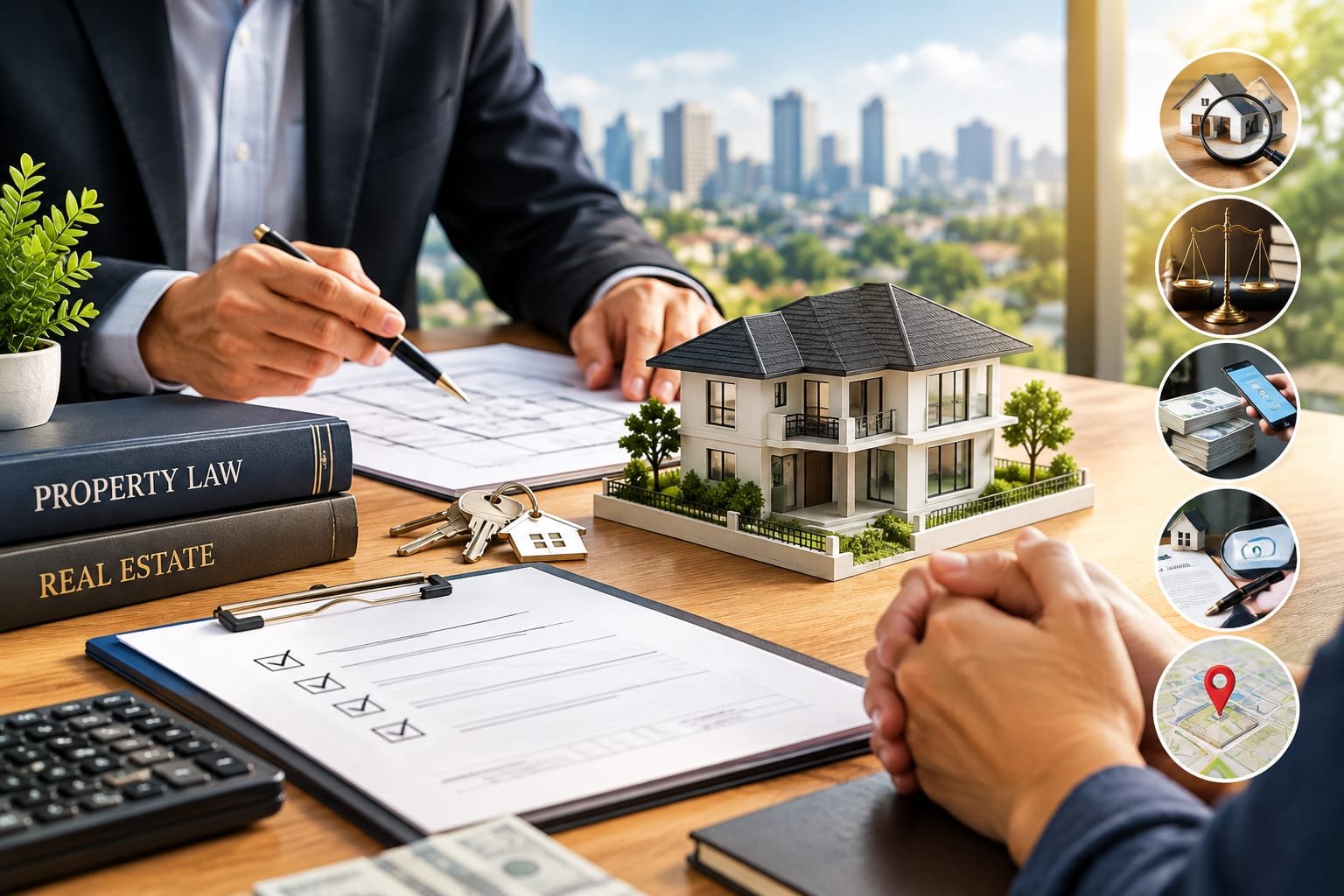
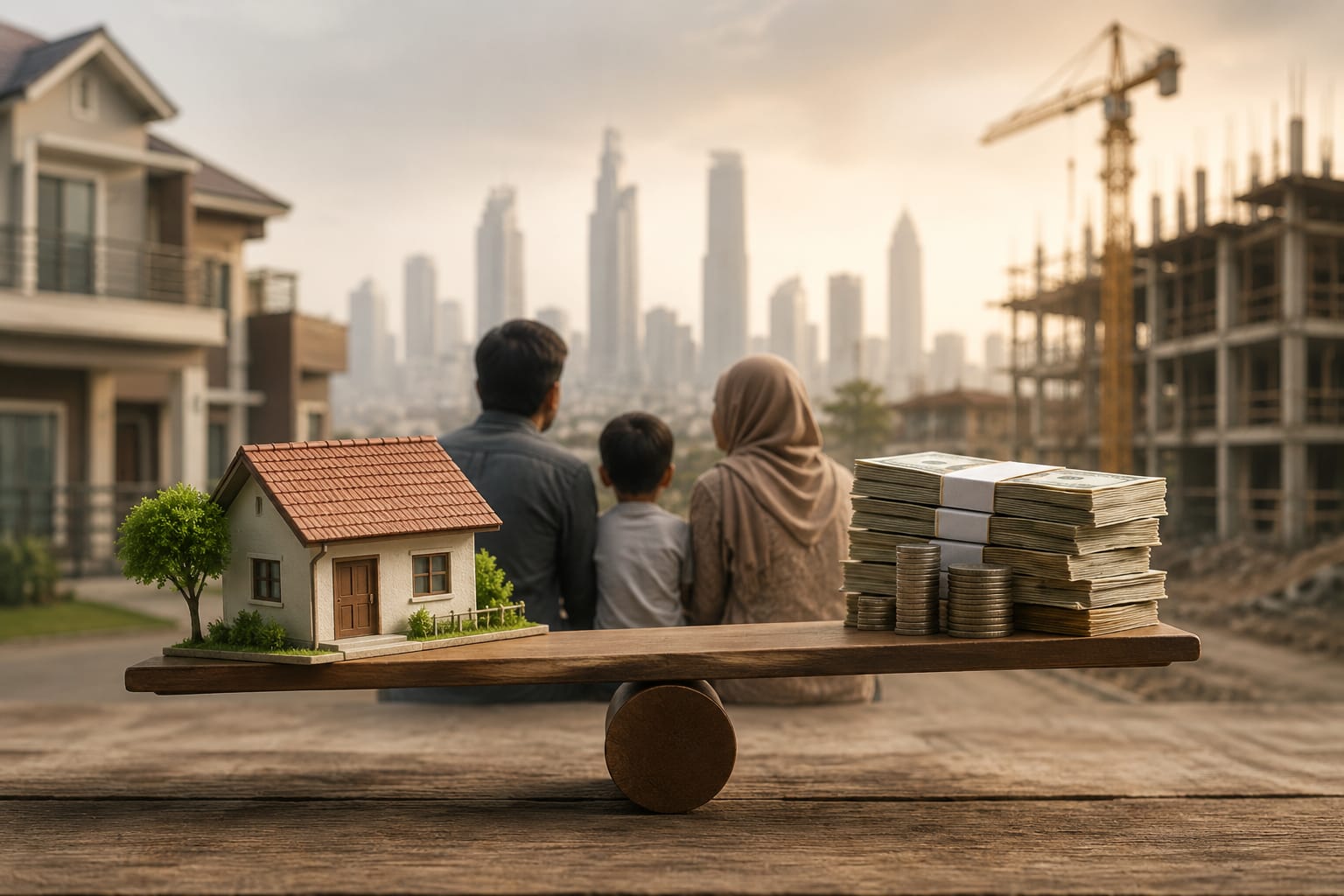
Owning a home remains one of the biggest financial aspirations for Pakistani families, but for millions of households the distance between that aspiration and reality continues to grow. Rising property values, construction costs, limited access to mortgage finance and household income constraints have turned housing affordability into one of Pakistan’s most pressing real estate challenges.
The scale of the problem is substantial. The State Bank of Pakistan estimates that the country faces a shortage of around 10 million housing units, with much of the deficit concentrated among low- and middle-income households. The challenge is therefore not simply whether Pakistan can build more houses, but whether it can produce homes that ordinary families can actually afford.
Pakistan’s real estate market has traditionally attracted capital as a store of wealth and investment. Plots, houses and commercial properties are frequently purchased for capital appreciation rather than occupation. For genuine homebuyers, however, the equation is very different.
A household may have sufficient monthly income to pay rent but still struggle to accumulate the large amount required as an upfront payment for a house. Construction costs and land prices further increase the amount needed to become a homeowner. This creates an important divide in the market: property can remain attractive as an investment while becoming increasingly difficult to access as housing.
A mature housing market cannot depend entirely on households buying homes with accumulated savings. Long-term mortgage finance allows the cost of a property to be spread over many years, making homeownership possible earlier in a household’s life.
Pakistan has been attempting to improve this part of the market. In 2026, the government revised its subsidised affordable housing finance programme, allowing financing of up to Rs10 million with a 5% fixed end-user rate under the Wazir-e-Azam Apna Ghar Program.
The State Bank has also relaxed certain requirements to facilitate access. Under changes announced in April 2026, a borrower’s total monthly repayments can reach up to 65% of net disposable income under the programme, while participating institutions were instructed to complete credit approval within 15 working days once a complete application is received.
Another significant issue is Pakistan’s large informal-income economy. People who earn through small businesses, freelancing, daily wages or other informal sources may struggle to demonstrate income through conventional salary documents. In June, the SBP instructed financial institutions to use income-estimation models to assess the repayment capacity of such applicants under the housing programme.
Affordable housing cannot be addressed merely by announcing new housing schemes. Land availability, infrastructure, transport, utilities, planning regulations, financing and employment locations all determine whether a development is genuinely affordable.
A cheap house far outside a city may become expensive for a family if commuting costs and travel time rise significantly. Similarly, reducing the price of a housing unit achieves little if buyers cannot obtain long-term financing.
Pakistan therefore needs to view housing as an interconnected system rather than simply a real estate product.
The long-term solution requires greater availability of mortgage finance, better land records, faster title verification, affordable vertical housing and policies that encourage actual construction rather than purely speculative trading in land.
Recent financing reforms are important steps, but their success will ultimately be measured by something much simpler: how many families who could not previously afford a home are actually able to buy one.
Until property prices, household incomes and accessible financing move closer together, Pakistan’s real estate market will continue to face a fundamental contradiction — strong demand for property, but millions of people unable to afford a home of their own.
DHA Estate Agents Association Lahore Election Campaign: Leadership, Performance and Dealers’ Expectations

DHA Estate Agents Association Lahore Election Campaign: Leadership, Performance and Dealers’ Expectations

▫️ Riaz Hussain

The election campaign for the DHA Estate Agents Association Lahore offers the real estate community an important opportunity to define its priorities.

Why Is Consumer Protection Weak in Pakistan’s Real Estate Sector, and Where Can Property Investors Seek Justice?

Why Is Consumer Protection Weak in Pakistan’s Real Estate Sector, and Where Can Property Investors Seek Justice?

▫️ Riaz Hussain

For millions of Pakistanis, owning a home is a lifelong dream. However, turning that dream into reality can sometimes put their entire life savings at risk. Many buyers investing in residential and commercial projects face problems such ...

Property Fraud and Misleading Marketing: The Hidden Risks Facing Pakistan’s Real Estate Buyers

Property Fraud and Misleading Marketing: The Hidden Risks Facing Pakistan’s Real Estate Buyers

▫️

Pakistan’s real estate sector attracts billions of rupees in investment every year, but behind glossy advertisements, ambitious master plans and promises of high returns lies a persistent problem: property fraud and misleading marketing.

DHA Lahore’s Phase 9 Prism Moves Toward Greater Residential and Commercial Occupancy

DHA Lahore’s Phase 9 Prism Moves Toward Greater Residential and Commercial Occupancy

DHA Lahore’s Phase 9 Prism has emerged as one of the city’s major residential and commercial developments, with the opening of possession for plots in 2026 marking the beginning of a new phase of development and construction activity.

Property Taxes vs Real Estate: Can Pakistan Find the Right Balance?

Property Taxes vs Real Estate: Can Pakistan Find the Right Balance?

▫️

Pakistan’s real estate sector stands at a difficult crossroads. On one side, the government needs to increase tax revenues, document property ownership and bring more economic activity into the formal tax system. On the other, property b...

What You Should Know Before Buying Property: It’s Not Just About the Documents

What You Should Know Before Buying Property: It’s Not Just About the Documents

Buying property is one of the biggest financial decisions a person can make.When purchasing a house, apartment, plot or any other type of real estate, buyers usually focus on the price, location and ownership documents. But in reality, c...

New Housing Projects Gain Momentum in Pakistan, Transforming Urban Development and Real Estate Landscape

New Housing Projects Gain Momentum in Pakistan, Transforming Urban Development and Real Estate Landscape

▫️

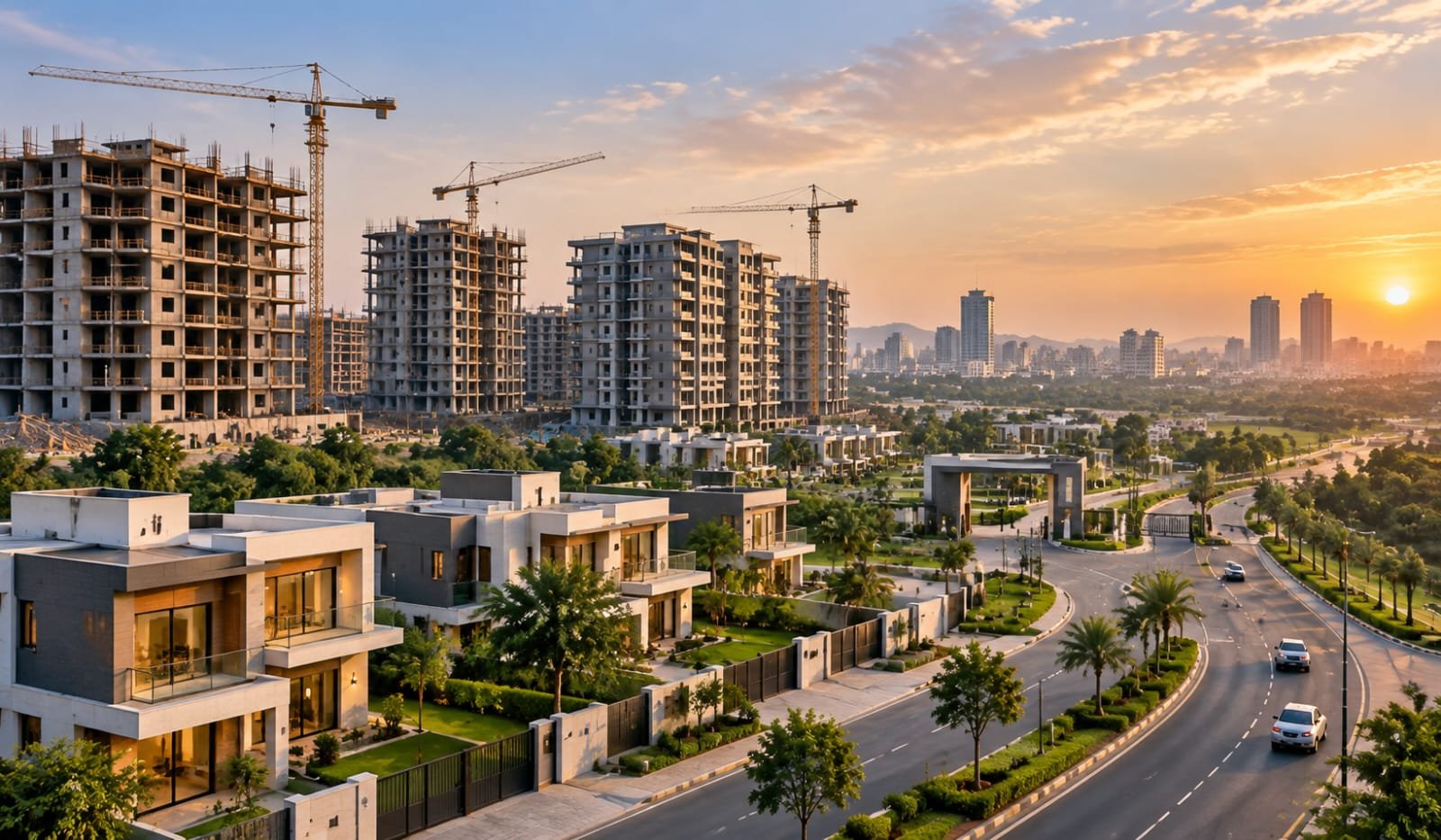
Pakistan’s housing sector is witnessing increased activity as population growth, urban expansion and rising demand for residential facilities continue to drive the development of new housing projects across the country.

From Building Plan Approval to Safer Structures: Why Building Code Enforcement Matters in Pakistan

From Building Plan Approval to Safer Structures: Why Building Code Enforcement Matters in Pakistan

▫️

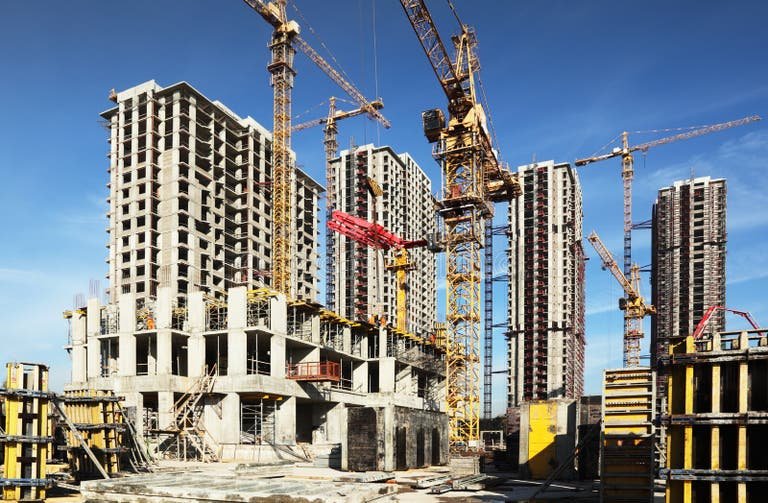
Pakistan’s major cities are witnessing a steady increase in high-rise buildings, residential developments, commercial plazas and housing societies.

Crackdown on Illegal Housing Societies in Islamabad: How Can Billions of Rupees Invested by Citizens Be Protected?

Crackdown on Illegal Housing Societies in Islamabad: How Can Billions of Rupees Invested by Citizens Be Protected?

▫️Crackdown on Illegal Housing Societies in Islamabad: How Can Billions of Rupees Invested by Citizens Be Protected?

Recent action against illegal housing societies in Islamabad has once again raised a critical question: How do such societies emerge in the federal capital, who is responsible for monitoring them, and what role should state institutions ...

Pakistan’s Housing Affordability Crisis: Why Owning a Home Remains Out of Reach

Pakistan’s Housing Affordability Crisis: Why Owning a Home Remains Out of Reach

Owning a home remains one of the biggest financial aspirations for Pakistani families, but for millions of households the distance between that aspiration and reality continues to grow. Rising property values, construction costs, limited access to mortgage finance and household income constraints have turned housing affordability into one of Pakistan’s most pressing real estate challenges.
The scale of the problem is substantial. The State Bank of Pakistan estimates that the country faces a shortage of around 10 million housing units, with much of the deficit concentrated among low- and middle-income households. The challenge is therefore not simply whether Pakistan can build more houses, but whether it can produce homes that ordinary families can actually afford.
Pakistan’s real estate market has traditionally attracted capital as a store of wealth and investment. Plots, houses and commercial properties are frequently purchased for capital appreciation rather than occupation. For genuine homebuyers, however, the equation is very different.
A household may have sufficient monthly income to pay rent but still struggle to accumulate the large amount required as an upfront payment for a house. Construction costs and land prices further increase the amount needed to become a homeowner. This creates an important divide in the market: property can remain attractive as an investment while becoming increasingly difficult to access as housing.
A mature housing market cannot depend entirely on households buying homes with accumulated savings. Long-term mortgage finance allows the cost of a property to be spread over many years, making homeownership possible earlier in a household’s life.
Pakistan has been attempting to improve this part of the market. In 2026, the government revised its subsidised affordable housing finance programme, allowing financing of up to Rs10 million with a 5% fixed end-user rate under the Wazir-e-Azam Apna Ghar Program.
The State Bank has also relaxed certain requirements to facilitate access. Under changes announced in April 2026, a borrower’s total monthly repayments can reach up to 65% of net disposable income under the programme, while participating institutions were instructed to complete credit approval within 15 working days once a complete application is received.
Another significant issue is Pakistan’s large informal-income economy. People who earn through small businesses, freelancing, daily wages or other informal sources may struggle to demonstrate income through conventional salary documents. In June, the SBP instructed financial institutions to use income-estimation models to assess the repayment capacity of such applicants under the housing programme.
Affordable housing cannot be addressed merely by announcing new housing schemes. Land availability, infrastructure, transport, utilities, planning regulations, financing and employment locations all determine whether a development is genuinely affordable.
A cheap house far outside a city may become expensive for a family if commuting costs and travel time rise significantly. Similarly, reducing the price of a housing unit achieves little if buyers cannot obtain long-term financing.
Pakistan therefore needs to view housing as an interconnected system rather than simply a real estate product.
The long-term solution requires greater availability of mortgage finance, better land records, faster title verification, affordable vertical housing and policies that encourage actual construction rather than purely speculative trading in land.
Recent financing reforms are important steps, but their success will ultimately be measured by something much simpler: how many families who could not previously afford a home are actually able to buy one.
Until property prices, household incomes and accessible financing move closer together, Pakistan’s real estate market will continue to face a fundamental contradiction — strong demand for property, but millions of people unable to afford a home of their own.
DHA Estate Agents Association Lahore Election Campaign: Leadership, Performance and Dealers’ Expectations

DHA Estate Agents Association Lahore Election Campaign: Leadership, Performance and Dealers’ Expectations

▫️ Riaz Hussain

The election campaign for the DHA Estate Agents Association Lahore offers the real estate community an important opportunity to define its priorities.

Why Is Consumer Protection Weak in Pakistan’s Real Estate Sector, and Where Can Property Investors Seek Justice?

Why Is Consumer Protection Weak in Pakistan’s Real Estate Sector, and Where Can Property Investors Seek Justice?

▫️ Riaz Hussain

For millions of Pakistanis, owning a home is a lifelong dream. However, turning that dream into reality can sometimes put their entire life savings at risk. Many buyers investing in residential and commercial projects face problems such ...

Property Fraud and Misleading Marketing: The Hidden Risks Facing Pakistan’s Real Estate Buyers

Property Fraud and Misleading Marketing: The Hidden Risks Facing Pakistan’s Real Estate Buyers

▫️

Pakistan’s real estate sector attracts billions of rupees in investment every year, but behind glossy advertisements, ambitious master plans and promises of high returns lies a persistent problem: property fraud and misleading marketing.

DHA Lahore’s Phase 9 Prism Moves Toward Greater Residential and Commercial Occupancy

DHA Lahore’s Phase 9 Prism Moves Toward Greater Residential and Commercial Occupancy

DHA Lahore’s Phase 9 Prism has emerged as one of the city’s major residential and commercial developments, with the opening of possession for plots in 2026 marking the beginning of a new phase of development and construction activity.

Property Taxes vs Real Estate: Can Pakistan Find the Right Balance?

Property Taxes vs Real Estate: Can Pakistan Find the Right Balance?

▫️

Pakistan’s real estate sector stands at a difficult crossroads. On one side, the government needs to increase tax revenues, document property ownership and bring more economic activity into the formal tax system. On the other, property b...

What You Should Know Before Buying Property: It’s Not Just About the Documents

What You Should Know Before Buying Property: It’s Not Just About the Documents

Buying property is one of the biggest financial decisions a person can make.When purchasing a house, apartment, plot or any other type of real estate, buyers usually focus on the price, location and ownership documents. But in reality, c...

New Housing Projects Gain Momentum in Pakistan, Transforming Urban Development and Real Estate Landscape

New Housing Projects Gain Momentum in Pakistan, Transforming Urban Development and Real Estate Landscape

▫️

Pakistan’s housing sector is witnessing increased activity as population growth, urban expansion and rising demand for residential facilities continue to drive the development of new housing projects across the country.

From Building Plan Approval to Safer Structures: Why Building Code Enforcement Matters in Pakistan

From Building Plan Approval to Safer Structures: Why Building Code Enforcement Matters in Pakistan

▫️

Pakistan’s major cities are witnessing a steady increase in high-rise buildings, residential developments, commercial plazas and housing societies.

Crackdown on Illegal Housing Societies in Islamabad: How Can Billions of Rupees Invested by Citizens Be Protected?

Crackdown on Illegal Housing Societies in Islamabad: How Can Billions of Rupees Invested by Citizens Be Protected?

▫️Crackdown on Illegal Housing Societies in Islamabad: How Can Billions of Rupees Invested by Citizens Be Protected?

Recent action against illegal housing societies in Islamabad has once again raised a critical question: How do such societies emerge in the federal capital, who is responsible for monitoring them, and what role should state institutions ...

More Real Estate News

National Real Estate News

See All →

City and District Real Estate News

See All →

Global Real Estate News

See All →

Corporate Real Estate News

See All →

Social Real Estate News

See All →

Real Estate Insights

See All →