Pakistan’s real estate sector attracts billions of rupees in investment every year, but behind glossy advertisements, ambitious master plans and promises of high returns lies a persistent problem: property fraud and misleading marketing. For many buyers, particularly those investing their life savings, failure to verify a project before making a payment can turn the dream of owning property into a prolonged financial and legal struggle.
One of the most common risks is the marketing of housing schemes or projects that have not obtained all necessary approvals from the relevant development authorities. Promotional campaigns may present projects as established residential communities even when their legal status, land ownership or development permissions remain incomplete. Buyers attracted by relatively low prices and instalment plans can therefore commit substantial amounts before discovering regulatory problems.
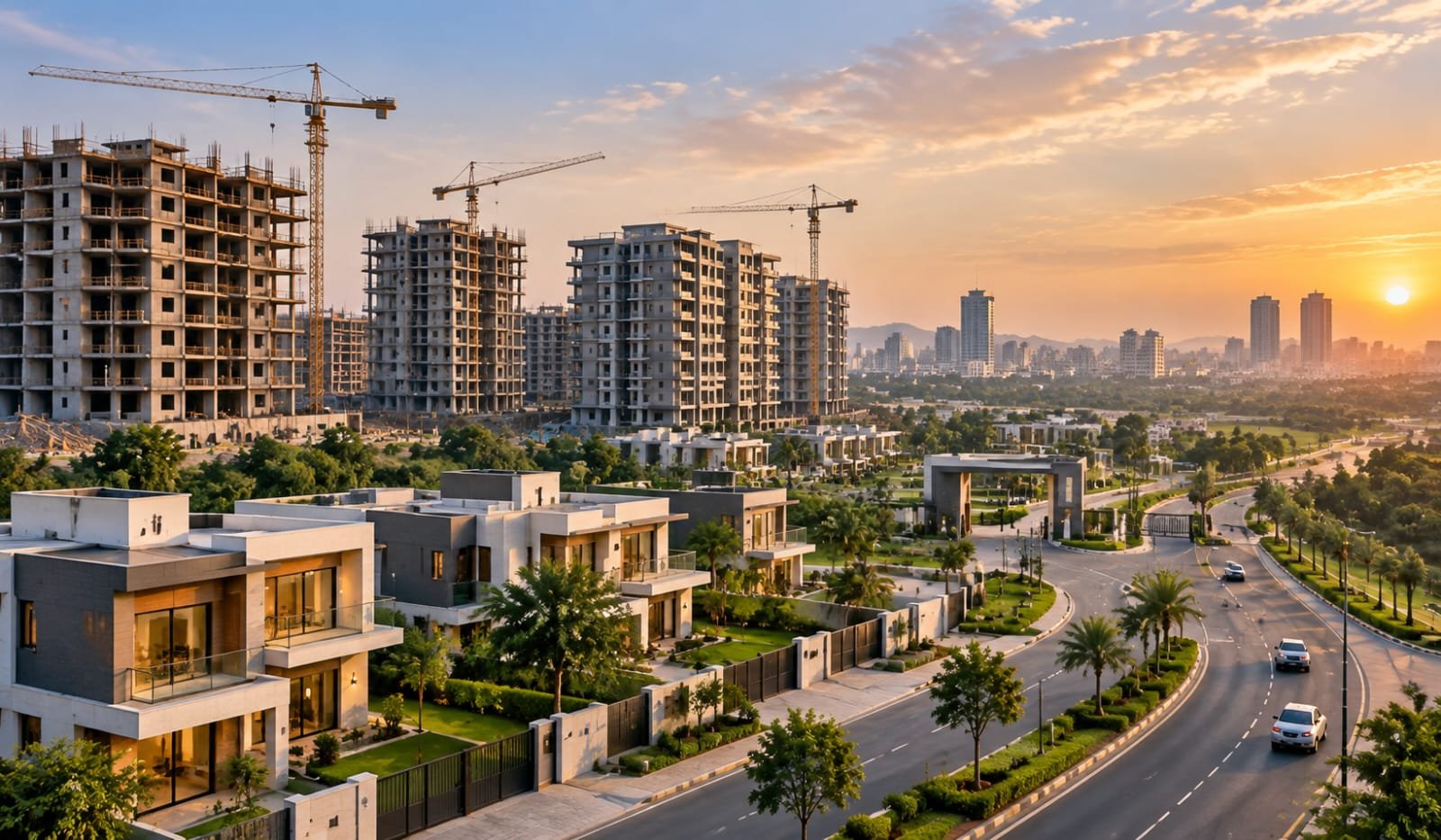
Misleading advertising can take several forms. Developers and marketing companies may advertise facilities such as schools, hospitals, commercial centres, parks, wide roads, uninterrupted utilities and gated security that have yet to be developed. Computer-generated images and elaborate master plans can create an impression of a fully planned community, while the reality on the ground may be significantly different.
Another major concern is the sale of files, booking forms or plot allocations without clearly explaining what the buyer actually owns. Consumers may assume they are purchasing a specific, legally identifiable plot when they are effectively buying a promise of future allotment. Problems can become more serious when the same property is sold to multiple buyers, ownership documents are manipulated or the developer does not possess sufficient land to fulfil commitments made to investors.
Social media has added another dimension to the problem. Property advertisements can now reach thousands of potential buyers within hours. Influencers, property dealers and digital marketing campaigns may promote projects using claims of guaranteed returns, rapidly increasing prices or limited-time investment opportunities. Such tactics can pressure consumers into paying booking amounts without conducting adequate due diligence.
The responsibility, however, does not rest with buyers alone. Development authorities and other regulators need effective mechanisms to identify unauthorised projects, prevent deceptive advertising and make approval information easily accessible to the public. Action taken after thousands of people have already invested may be too late to prevent substantial losses.
Developers, estate agents and marketing companies should also be required to clearly disclose a project's approval status and distinguish between facilities that already exist and those that are merely proposed. Claims about expected returns, possession dates and future development should have a reasonable and verifiable basis.
For buyers, verification remains the strongest first line of defence. Before paying a booking fee or signing an agreement, investors should confirm the project's approval status directly with the relevant authority, verify land ownership, examine contractual terms and retain records of payments and advertisements.
Pakistan needs a real estate market where investment decisions are based on verified information rather than exaggerated promises. Greater transparency, stronger enforcement and informed buyers can help transform property investment from a speculative gamble into a safer and more credible transaction.

Published: October 5, 2026 - 2:13 PM
Property Fraud and Misleading Marketing: The Hidden Risks Facing Pakistan’s Real Estate Buyers
پراپرٹی فراڈ اور گمراہ کن تشہیر: پاکستان میں جائیداد کے خریداروں کو درپیش پوشیدہ خطرات
▫️
Pakistan’s real estate sector attracts billions of rupees in investment every year, but behind glossy advertisements, ambitious master plans and promises of high returns lies a persistent problem: property fraud and misleading marketing.