

The Association of Builders and Developers of Pakistan (ABAD) has expressed concern over the State Bank of Pakistan’s decision to raise the policy rate from 11.5 per cent to 12 per cent, warning that higher borrowing costs could increase construction expenses and discourage fresh investment in real estate.
The central bank’s Monetary Policy Committee decided to increase the policy rate by 50 basis points at its meeting in Karachi on October 26, with the change taking effect on October 27. Nine members of the 10-member committee supported the decision.
According to the State Bank, tensions in the Middle East, elevated global energy prices and growing inflation risks necessitated the increase to maintain price stability.
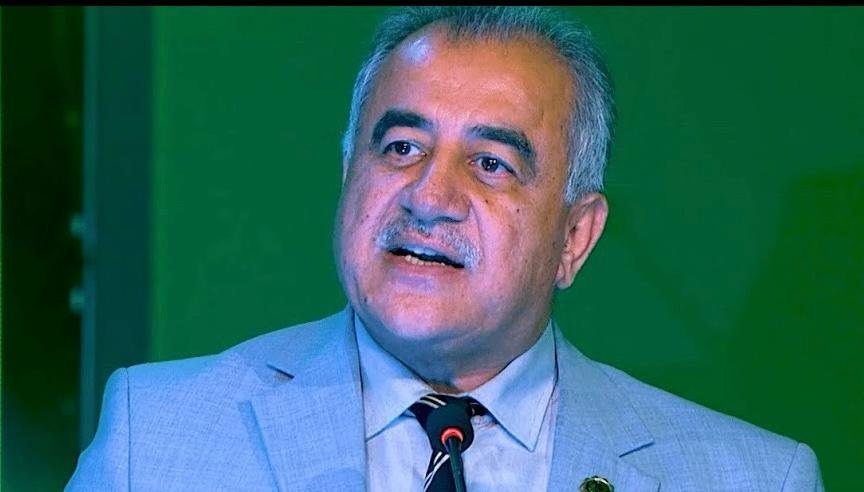
Responding to the decision on October 28, ABAD Chairman Muhammad Hanif Gohar said the rate increase would compound the difficulties facing an already struggling construction industry. He said higher financing costs would make construction projects more expensive, potentially making it harder for developers to launch new projects and attract investment.
Gohar warned that the costs of cement, steel reinforcement bars and other building materials could face further pressure, potentially increasing the cost of residential and commercial construction. He said the effects of difficulties in the construction sector would extend beyond builders and developers, affecting employment, business activity and the wider economy.
The ABAD chairman urged the State Bank to reverse the latest increase and reduce borrowing costs to support a recovery in economic activity.
While an increase in the policy rate can affect financing costs nationwide, its actual impact on individual housing loans and construction projects will depend on the lending agreements and interest rate terms offered by the banks concerned.



























