

Islamabad | ReNews Pakistan
Fauji Cement Company Limited (PSX: FCCL) has reported a significant disruption to its export operations following the closure of the Pakistan-Afghanistan border although stronger domestic sales and improved operating margins helped the company achieve a 51% year-on-year increase in quarterly profit.
The cement manufacturer announced its financial results for the first quarter of fiscal year 2026 27, covering the three months ended September 30, 2026. According to its financial statement submitted to the Pakistan Stock Exchange (PSX), Fauji Cement recorded a net profit of Rs 4.96 billion, compared with Rs 3.29 billion during the corresponding period of the previous financial year.
The company's earnings per share (EPS) increased to Rs 2.02 from Rs 1.34 in the same quarter last year. However, according to market analysis, the company's net profit declined by approximately 8% compared with the preceding quarter. Net revenue increased by approximately 11% year-on-year to Rs 26.05 billion, compared with Rs 23.42 billion in the corresponding quarter of FY2025 26. The improvement was supported by a 12% increase in domestic cement dispatches, reflecting stronger sales in the local market.
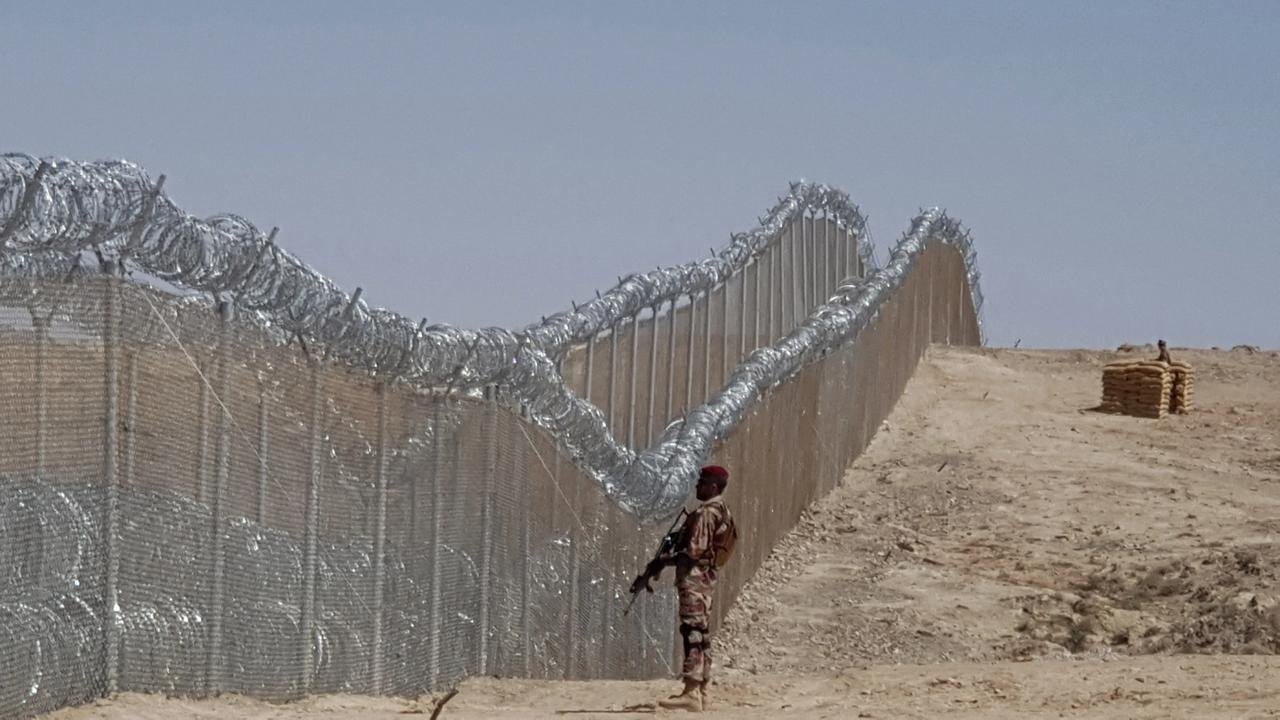
Nevertheless, overall cement dispatches increased by only 5% year-on-year, primarily because exports were disrupted following the closure of the Afghan border. Afghanistan has traditionally been an important export destination for Pakistan's cement industry, and restrictions on cross-border trade have created challenges for manufacturers relying on regional markets. Despite these difficulties, Fauji Cement maintained stronger profitability through improved domestic sales, higher cement retention prices and cost optimisation measures.
The company's gross profit increased to Rs 9.36 billion from Rs 7.38 billion in the corresponding period last year. Its gross profit margin also improved to approximately 36%, compared with 32% in the previous year. The improvement was supported by higher cement prices, better retention rates and operational efficiency initiatives. These included benefits from the government's incremental electricity consumption package and the company's in-house production of polypropylene (PP) bags, which helped reduce packaging related costs.
However, rising petroleum prices increased transportation expenses, placing additional pressure on the company's distribution operations.
Selling and distribution expenses increased by approximately 17% year-on-year, mainly due to higher fuel and logistics costs. Meanwhile, the company's finance costs declined by approximately 37% year on year to Rs 714 million, while net finance costs fell by around 39%. According to market analysis, the company made early debt repayments during the quarter, contributing to a reduction of approximately 10% in long-term borrowings and 92% in short term borrowings compared with the preceding quarter.
The effective tax rate stood at approximately 38%, compared with 37.9% in the corresponding period last year and 22.8% in the previous quarter. Fauji Cement's latest financial performance indicates that stronger domestic demand, improved selling prices and cost-control measures helped offset the impact of disrupted exports. However, the resumption of normal trade through the Pakistan-Afghanistan border will remain important for the company's future export volumes and regional market access. The company did not announce any cash dividend, bonus shares or rights issue for the quarter.

























