

Washington | ReNews International Desk News
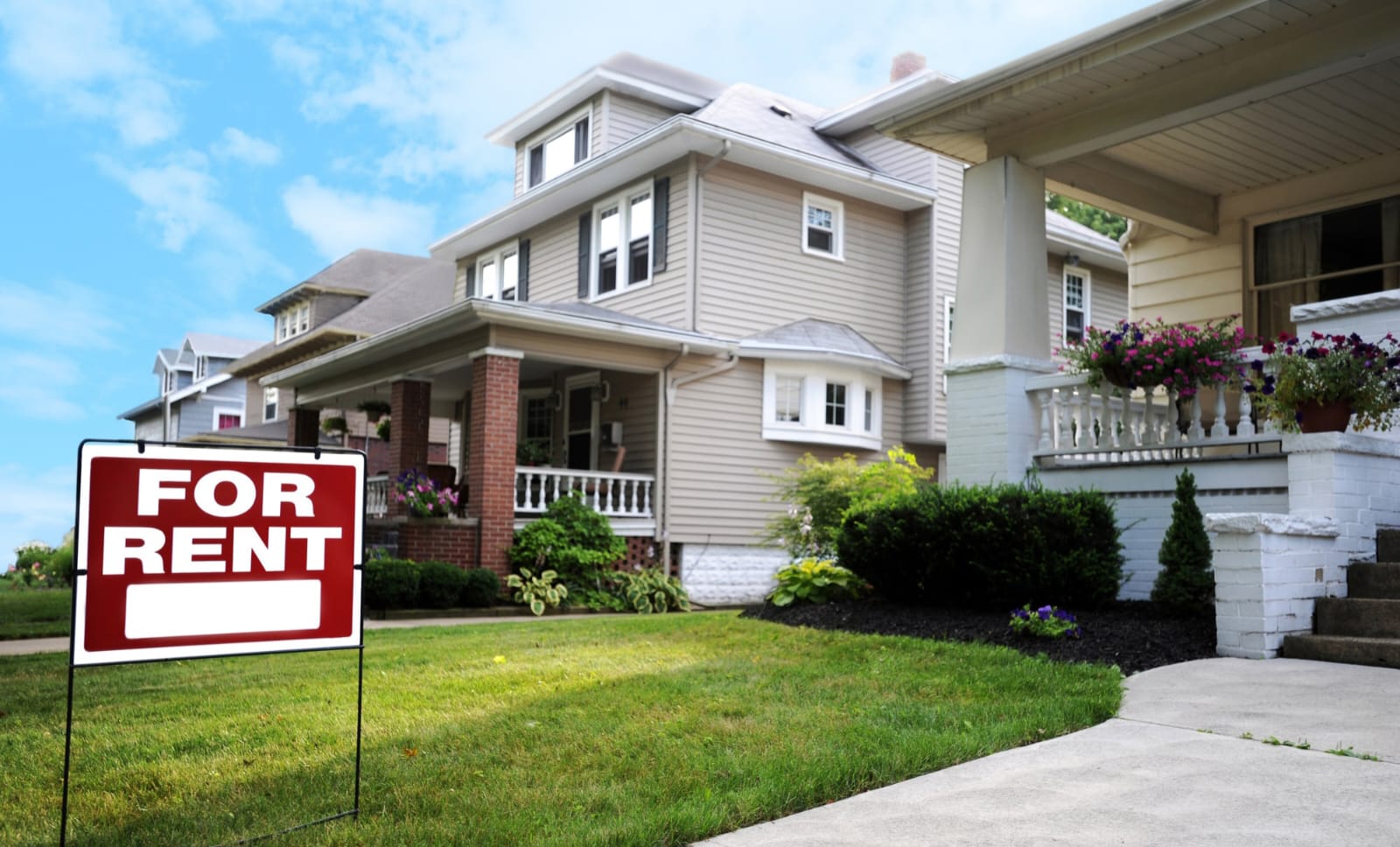
Single family rental homes continued to outperform the apartment sector across the United States in 2025, with rents rising in 98 of the country's 100 largest metropolitan areas despite a slowdown in overall rental growth. Industry analysts say the performance reflects strong nationwide demand driven by housing affordability challenges, while an oversupply of newly completed apartments kept multifamily rents largely unchanged.
According to research based on the Zillow Observed Rent Index, national single family rents increased by an average of 2.9 percent in 2025, compared with 4.1 percent in the previous year. Although the pace of growth moderated, almost every major metropolitan area recorded positive annual rent gains. Scranton, Pennsylvania, led the country with a 6.5 percent increase, followed closely by Syracuse, New York, at 6.3 percent.
By contrast, the apartment market experienced virtually no annual rent growth. Industry data shows that a record wave of multifamily construction added more than 600,000 new apartments in 2024, followed by nearly 488,000 additional units in 2025. The surge in supply placed downward pressure on rents in several major cities, including Austin, Denver and Phoenix, where apartment rents declined despite continued growth in single family rental prices.
Analysts say the contrasting performance highlights the importance of housing type rather than location alone. While both property sectors operated within the same local economies, limited supply of single family rental homes and sustained demand from families unable to purchase homes helped support rent growth across most markets.
Affordability remains a key factor behind the trend. Recent housing data indicates that the annual income required to purchase a typical home now exceeds US$111,000, significantly higher than the income needed to afford a rental home. With the median household income remaining well below the homeownership threshold, many families are continuing to rent larger homes instead of buying.
Industry experts also argue that operational performance has become increasingly important for investors. Strong resident retention, responsive property management and disciplined rent renewal strategies have enabled professionally managed portfolios to achieve returns above the national average while reducing vacancy periods and turnover costs.
Although affordable markets in the Northeast and Midwest generally recorded the strongest rent growth, analysts believe the broader success of the single family rental sector was driven by nationwide affordability pressures and disciplined property management rather than geography alone. With apartment construction expected to slow over the next two years, market conditions may tighten further, but experts say operational excellence will remain a critical factor in long-term investment performance.
Published: August 1, 2026 - 11:49 AM
Single Family Rentals Outperform Apartments Across Nearly Every Major U.S. Market as Affordability Drives Demand
امریکا: سنگل فیملی کرایہ کے مکانات نے اپارٹمنٹس کو پیچھے چھوڑ دیا، رہائشی اخراجات میں اضافے سے طلب برقرار
▫️Industry data suggests operational efficiency, resident retention and limited housing supply played a greater role in returns than market selection alone
Washington | ReNews International Desk News Single family rental homes continued to outperform the apartment sector across the United States in 2025, with rents rising in 98 of the country's 100 largest metropolitan areas despite a slowd...
































