Riyadh | ReNews International Desk News
Saudi Arabia has approved a new framework designed to accelerate housing construction by involving private investors in the development of planned land.
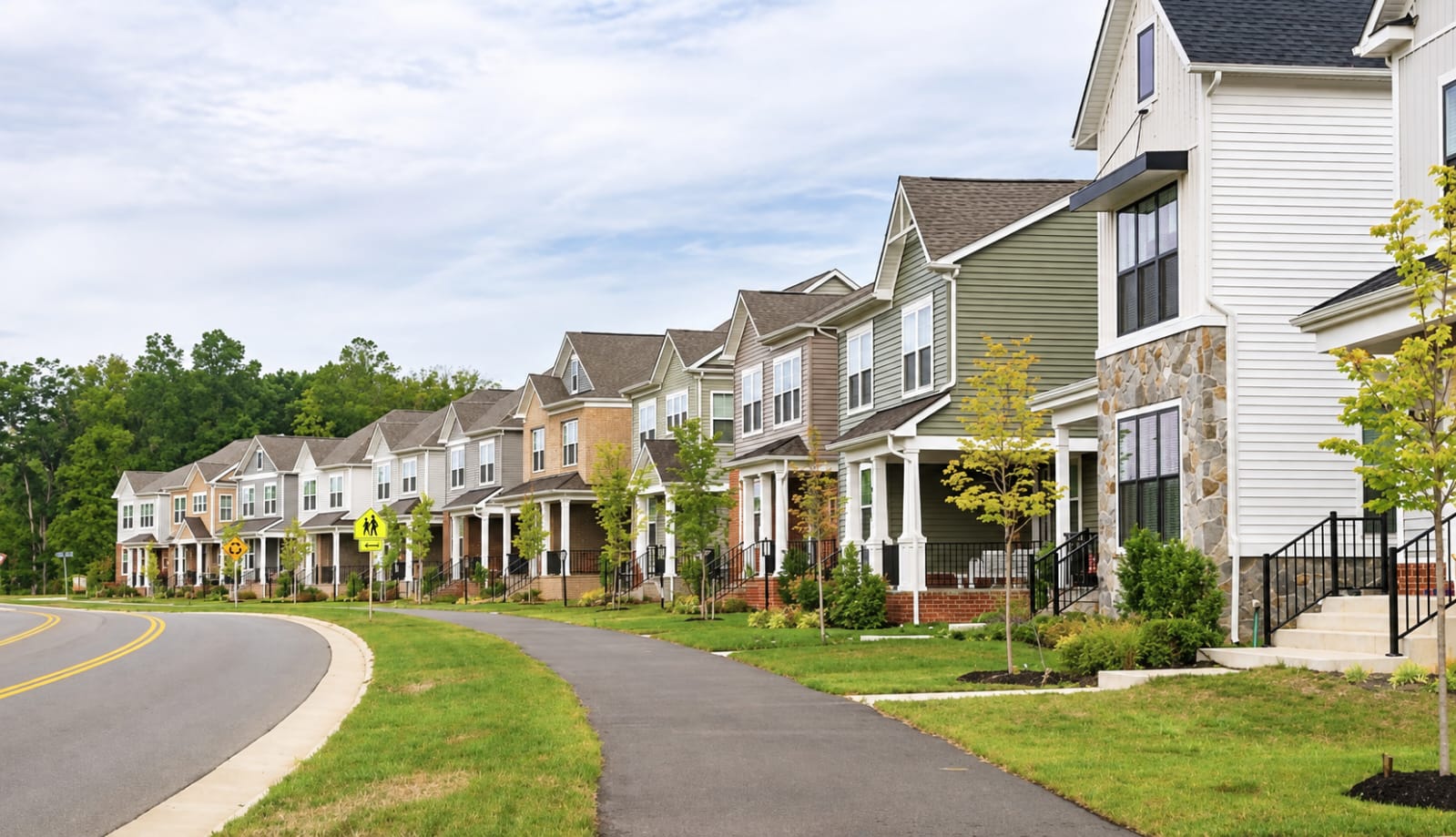
Under the framework approved by the Saudi Council of Ministers, investors will be allowed to develop designated land and construct housing units for eligible and lower income families. In return for completing the agreed development work, investors will receive a defined share of the land.
The model will allow the government to contribute land while private companies provide investment, planning, infrastructure and construction services. The investors will then be able to use their allocated share of the land in accordance with the approved project terms.
Authorities have not yet announced a standard percentage of land that will be transferred to investors. The size of the share, construction requirements, project deadlines and responsibilities of each party are expected to be determined through individual agreements and implementing rules.
The framework is intended to bring unused or underdeveloped land into productive use, increase private sector participation and speed up the delivery of homes to families that qualify for housing support.
Saudi Arabia already provides several housing options through cooperation between the government, financial institutions and real estate developers. These include completed homes, properties under construction, self building options and residential plots. More than 63,000 Saudi families moved into their first homes during the first half of 2026, according to the Ministry of Municipalities and Housing.
The Cabinet has also approved a one year extension of the period available for legalising and documenting previously unregistered real estate transactions.
The extension will give individuals and businesses additional time to complete property documentation, clarify ownership records and bring earlier transactions into the formal regulatory and tax system.
Bringing undocumented transactions into the official record is expected to improve ownership data, reduce property disputes and strengthen transparency across the Saudi real estate market.
The decisions form part of Saudi Arabia’s wider effort to develop unused land, increase housing supply and expand the role of private investment in urban development. The Kingdom is also using land development programmes and regulatory reforms to improve the balance between housing supply and demand.

Published: August 5, 2026 - 1:00 PM
Saudi Arabia Approves New Housing Framework, Offering Private Investors Land Stakes in Exchange for Residential Development
سعودی عرب میں رہائشی منصوبوں کیلئے نیا فریم ورک: نجی سرمایہ کاروں کو ہاؤسنگ منصوبوں کے بدلے زمین میں حصہ دینے کی منظوری
▫️Under the framework approved by the Saudi Cabinet, private investors will be permitted to develop designated land and construct residential units for eligible low income families
Riyadh | ReNews International Desk NewsSaudi Arabia has approved a new framework designed to accelerate housing construction by involving private investors in the development of planned land.