Tokyo | ReNews International Desk News
Residential rents are rising across Japan as higher land prices, construction material costs and labour expenses reshape the housing market, while repeated short term resales of rental properties are creating additional uncertainty for some tenants in Tokyo. In some cases, new owners are seeking substantial rent increases soon after acquiring buildings.
One woman in her 30s living in Tokyo's Nerima Ward recently found herself facing a major rent increase after her apartment building changed ownership again.
The tenant had been paying 83,500 yen per month when the new owner informed her that the rent would rise to 120,000 yen from August. It was the second rent increase she had faced within a relatively short period following changes in ownership.
The woman moved into the approximately 25 square metre one room apartment in March 2022. Her original monthly rent was 79,500 yen, with an additional 5,000 yen common area fee.
When ownership of the building changed in December 2025, the new owner initially sought a 10,000 yen rent increase. The tenant asked for the increase to be reconsidered, explaining that she wanted to remain in the property for the long term. Her contract was eventually renewed in March 2026 at 83,500 yen, an increase of 4,000 yen.
Only a few months later, however, the building changed hands again. The latest owner then issued a notice seeking to raise her monthly rent to 120,000 yen.
At that level, the rent would account for more than 30 percent of her monthly income. The tenant said the proposed amount was beyond what she could reasonably afford and sought legal and other advice.
The case illustrates a wider concern emerging in Japan's changing residential property market. Rising land values, higher construction expenses and increasing labour costs are contributing to upward pressure on rents, while frequent property resales can expose tenants to repeated attempts to reset rents after ownership changes.
The tenant questioned whether repeated short term resales of residential buildings were effectively shifting the financial burden of property investment onto existing residents.
The case is also notable because both the previous and current owners were Japanese companies. Foreign investment has sometimes been cited in Japan's wider debate over rising real estate prices and housing costs, but it was not a factor in this particular case.
Concerns over rent increases are becoming more visible in Tokyo. The Tokyo Metropolitan Government received around 700 consultations involving rent increases in fiscal 2023. That figure doubled to around 1,400 in fiscal 2024.
Tokyo authorities subsequently established a special consultation service in October 2025 following another case in which tenants were reportedly asked to pay more than twice their previous rents after a building changed ownership. The service received about 2,500 consultations during the six months through March 2026.
Under Japan's Act on Land and Building Leases, landlords or tenants can seek an increase or reduction in rent when the existing amount has become unreasonable because of factors including changes in economic conditions, costs associated with land or buildings, or comparisons with rents for similar properties.
Where the two sides cannot reach agreement, rent disputes can move into civil mediation and potentially further legal proceedings. Japanese law also provides for mediation before litigation in certain disputes involving claims to increase or reduce building rent.
Japan's emerging rental pressure highlights a growing policy challenge: balancing the investment value and profitability of residential property with the ability of tenants to continue affording their homes.
If sharp rent increases following property resales become more common, particularly in expensive markets such as Tokyo, the issue could become increasingly important not only for household budgets but also for the broader availability of affordable rental housing in major Japanese cities.
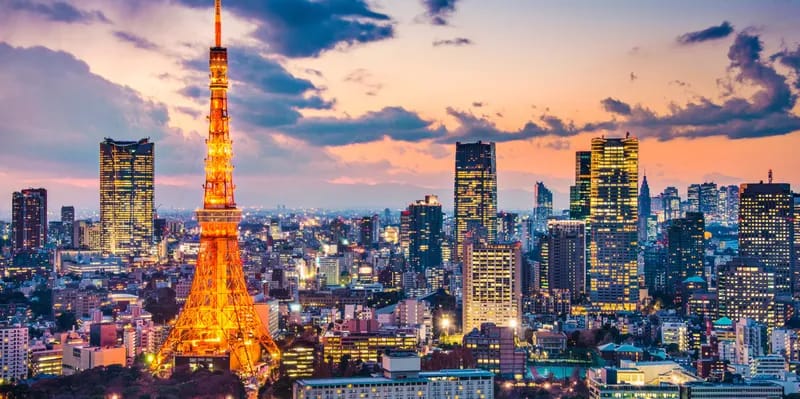
Published: August 11, 2026 - 1:15 PM
Rents Rise Sharply in Japan, Putting Growing Pressure on Tokyo Tenants
جاپان میں جائیدادوں کے کرایوں میں نمایاں اضافہ ہوگیا، ٹوکیو کے کرایہ دار مشکلات کا شکار
▫️If the trend of steep rent increases continues, it could pose a major challenge to the availability of affordable housing in urban areas
Tokyo | ReNews International Desk NewsResidential rents are rising across Japan as higher land prices, construction material costs and labour expenses reshape the housing market, while repeated short term resales of rental properties are...