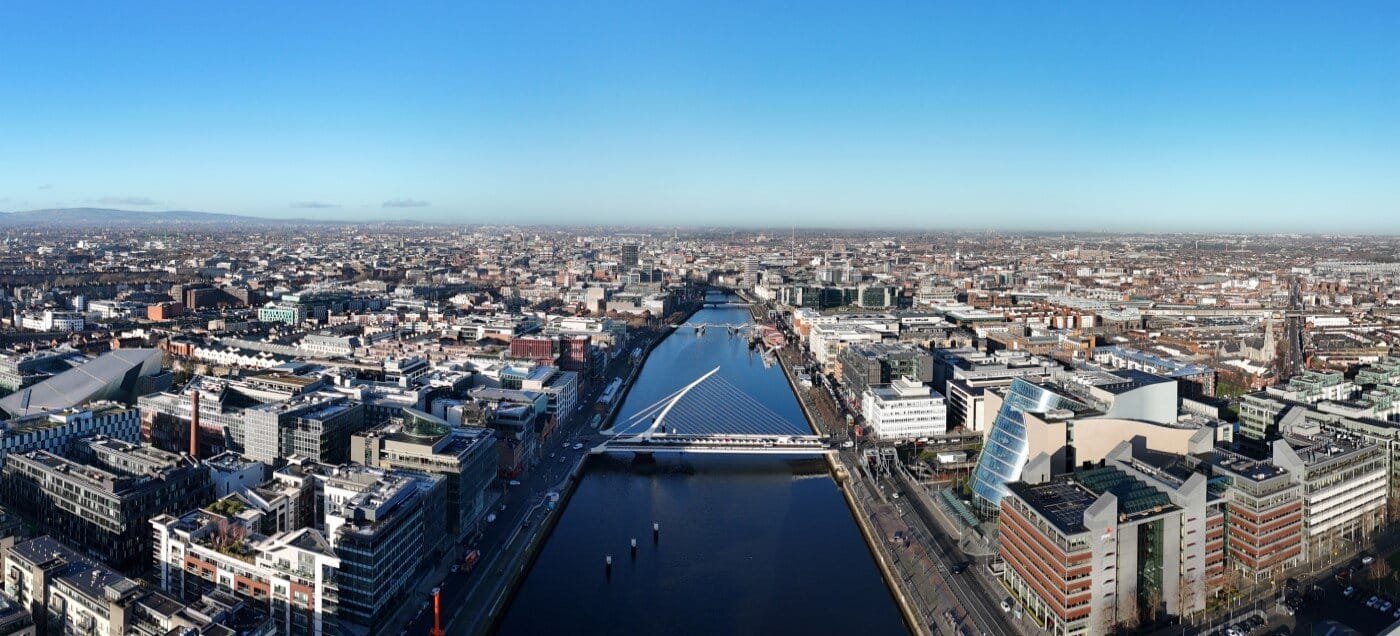
Dublin | ReNews International Desk News
Ireland’s rental market is showing early signs of moderation in rental price growth, but the country’s underlying shortage of available homes remains severe, according to the latest market analysis.
The recent increase in rental listings should not necessarily be viewed as evidence of a meaningful expansion in Ireland’s overall rental housing stock. According to Lyons, the rise in listings has largely reversed a previous delay in properties being brought to the market rather than representing a sustained increase in new rental supply.
The number of homes newly offered for rent over the past year was effectively unchanged compared with the previous year, highlighting the continuing weakness in the supply pipeline.
The development has left Ireland’s rental market in a difficult position. While the pace of rent increases has begun to moderate, the fundamental imbalance between the number of homes available and the level of demand remains acute. As a result, tenants continue to face significant competition for properties, while landlords have a relatively limited supply of homes available to meet demand.
The latest figures also point to a major structural shift in Ireland’s rental market, particularly in the relationship between Dublin and the rest of the country.
For much of the 2010s, the monthly rent for a two-bedroom apartment in Dublin was close to three times the cost of a comparable property in Connacht-Ulster. That gap has now narrowed considerably, with the Dublin premium falling to less than twice the regional level, according to Lyons.
The narrowing gap does not mean that Dublin has become affordable for renters. Instead, it reflects the rapid increase in rents across regional cities and surrounding areas, where housing pressures have intensified significantly in recent years.
This changing pattern has important implications for government housing policy. Ireland’s rental-supply crisis can no longer be regarded primarily as a problem concentrated in Dublin. Increasing rental pressure in regional cities and other parts of the country indicates that the shortage has become a national issue.
Lyons described rental scarcity as a nationwide problem and stressed that policies aimed at increasing the supply of homes for the private rental market must extend beyond the capital. Expanding rental construction and improving housing availability in regional locations will therefore be increasingly important in addressing the country’s housing pressures.
For renters, the slowdown in rental price growth during the second quarter provides some relief after the exceptionally rapid increases recorded earlier in the year. However, rents remain substantially higher than before the pandemic, while the number of homes available for rent remains well below historical levels.
The latest market trends suggest that Ireland’s rental crisis is fundamentally rooted in insufficient housing supply rather than being solely an issue of temporary inflation. Unless the number of homes entering the rental market increases substantially, affordability and availability are likely to remain major challenges for households across both Dublin and regional Ireland.
Published: September 1, 2026 - 2:42 PM
Ireland’s Rental Market Shows Signs of Slowing Growth as Housing Shortage Persists
آئرلینڈ میں عمارتوں کے کرایوں میں اضافے کی رفتار سست، رہائشی بحران برقرار
▫️Rising rents outside Dublin narrow regional gap, turning housing supply into a nationwide challenge
Dublin | ReNews International Desk NewsIreland’s rental market is showing early signs of moderation in rental price growth, but the country’s underlying shortage of available homes remains severe, according to the latest market analysis.