

New Delhi | ReNews International Desk News
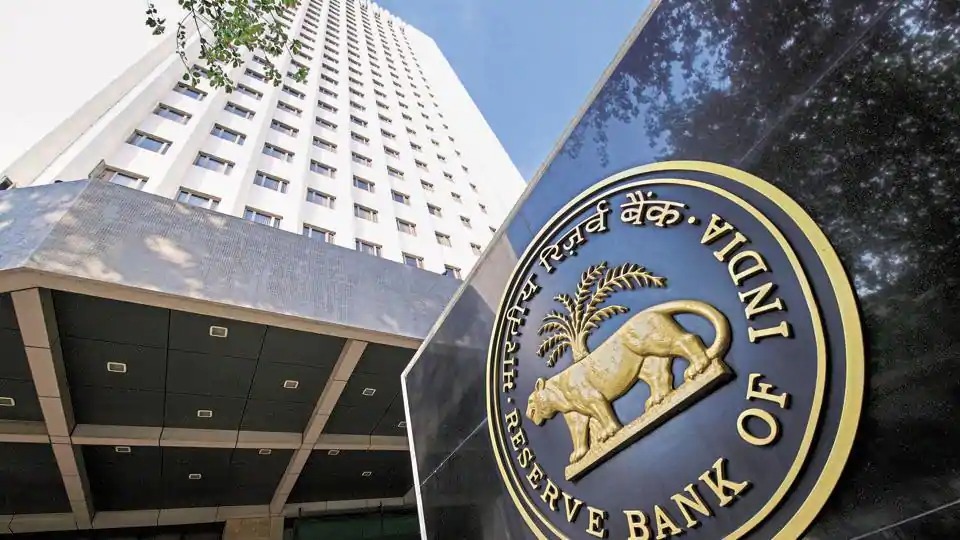
The Reserve Bank of India has kept its benchmark repo rate unchanged at 5.25 percent, providing greater certainty over borrowing costs and supporting expectations of stable residential property demand during the second half of the year.
The Monetary Policy Committee unanimously decided to maintain the policy rate and retained its neutral monetary policy stance. This marked the fourth consecutive policy review in which the central bank kept the repo rate at 5.25 percent.
Real estate industry experts welcomed the decision, saying a stable interest rate environment would help homebuyers plan their finances and reduce uncertainty surrounding future monthly mortgage repayments. The absence of an immediate rate increase is also expected to support consumer confidence and maintain demand for residential properties.
Market analysts believe the mid income and premium housing segments are likely to benefit most during the second half of the year. Buyers in these categories generally have greater access to formal financing and are better positioned to absorb changes in property prices and construction costs.
The rate pause could also support housing sales during India’s festive season, which is traditionally an important period for residential transactions. Developers are expected to use the stable financing environment to introduce new projects, flexible payment plans and targeted sales incentives.
Stable interest rates also provide developers and investors with greater clarity when planning new projects and assessing long term funding requirements. Industry representatives said policy continuity could strengthen confidence across the real estate market and encourage buyers who had delayed purchasing decisions because of uncertainty over borrowing costs.
However, the affordable housing segment continues to face more serious challenges. For lower and middle income households, stable home loan rates may not be sufficient to improve affordability as land prices, construction materials and labour costs continue to place upward pressure on residential property prices.
Real estate experts have cautioned that developers may pass some of the rising construction costs to buyers. This could increase apartment prices and partly offset the benefits of attractive lending rates, particularly for first time buyers and households seeking entry level homes.
Industry stakeholders believe additional policy support will be required to revive affordable housing. Possible measures include tax incentives, subsidised financing, easier access to development land, faster project approvals and targeted assistance for first time homebuyers.
The decision to maintain the repo rate is expected to preserve momentum in India’s broader residential market. However, the pace of future growth will also depend on inflation, construction costs, employment conditions and the purchasing power of ordinary households.
Published: August 6, 2026 - 11:57 AM
India Holds Interest Rate at 5.25 Percent as Residential Property Demand Expected to Remain Stable
بھارت میں شرح سود 5.25 فیصد پر برقرار، رہائشی املاک کی طلب مستحکم رہنے کی توقع
▫️Rate stability is expected to support the mid and premium housing segments during the second half of the year, but further measures are needed to revive affordable housing
New Delhi | ReNews International Desk NewsThe Reserve Bank of India has kept its benchmark repo rate unchanged at 5.25 percent, providing greater certainty over borrowing costs and supporting expectations of stable residential property d...
































