

Seoul | ReNews International Desk News
Concerns that South Korea could be heading toward a Japan style asset bubble have been dismissed by leading economists, who argue that while the country faces rising financial risks, its economic fundamentals and regulatory framework differ significantly from the conditions that led to Japan’s historic market collapse in the early 1990s.
President Lee Jae Myung had pledged during his election campaign to raise the benchmark Kospi index to 5,000 by addressing the long standing “Korea discount” and strengthening the country’s capital markets. The index achieved that milestone in January 2026, just over six months after Lee took office, driven largely by a global artificial intelligence fueled rally in semiconductor stocks.
The Kospi has since climbed further and is currently trading around 6,700, although recent volatility has reflected its heavy dependence on major technology companies such as Samsung Electronics and SK Hynix.
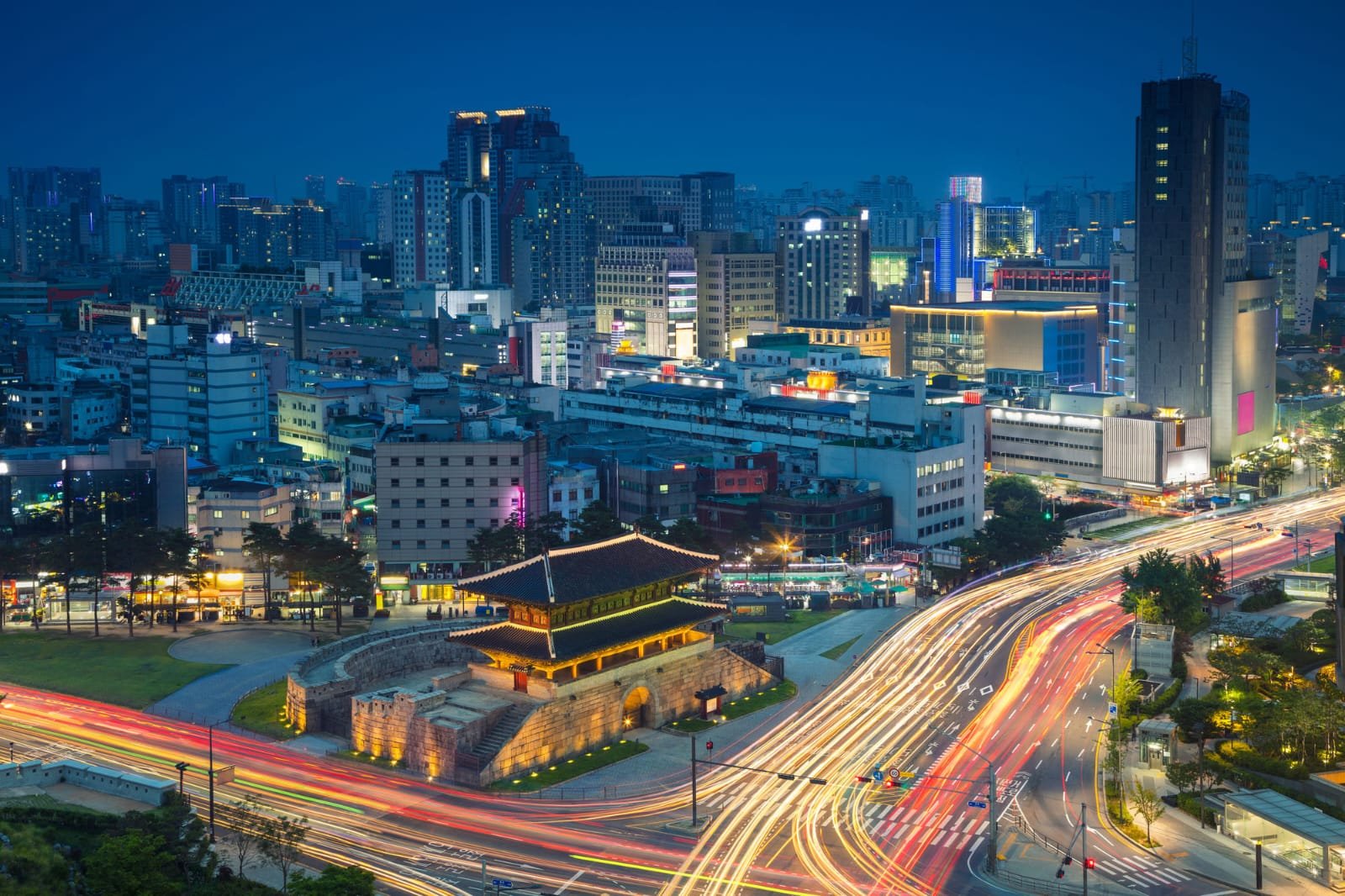
Lee’s administration has also sought to redirect household wealth away from South Korea’s traditionally overheated housing market toward financial investments. While the strategy has encouraged greater participation in equity markets, property prices in Seoul have continued to rise, prompting debate over whether the country is entering a dangerous asset bubble.
Economists, however, believe those fears are overstated. Kang Min Joo, Senior Economist for South Korea and Japan at ING, said mortgage lending standards have remained strict for several years, with loan to value ratios in Seoul reduced from as high as 80 percent in the past to below 40 percent. She noted that the government’s lending restrictions and debt controls significantly reduce the likelihood of an uncontrolled property bubble.
South Korea’s household debt stands at approximately 90 percent of gross domestic product, down from a record 98.7 percent in 2021 but still among the highest levels in Asia. Analysts acknowledge that elevated debt remains a vulnerability but argue that regulatory safeguards have strengthened the financial system.
Capital Economics Senior Economist Gareth Leather said property price gains are largely concentrated in Seoul, where values are only around 10 percent above January 2022 levels, while prices in cities such as Busan remain substantially lower than their 2022 peaks. He added that mandatory large down payments reduce the risk of widespread negative equity and banking sector stress.
DBS Group Research Senior Economist Ma Tieying said South Korea shares some structural similarities with Japan before its asset bubble burst, including high credit levels and large financial markets. However, he emphasized that South Korea has not experienced the massive capital inflows or prolonged currency appreciation that preceded Japan’s crash, while the Bank of Korea has taken a more proactive approach to managing inflation and financial imbalances.
Economists concluded that although South Korea remains exposed to higher interest rates and global economic shocks, the probability of a Japan style dual collapse in property and stock markets remains limited under current conditions.
Published: July 24, 2026 - 4:15 PM
Economists Reject Japan Style Crash Fears as South Korea Balances Soaring Stocks and Housing Risks
جنوبی کوریا میں تیزی سے بڑھتی سٹاک مارکیٹ اور ہاؤسنگ خطرات کے باوجود ماہرین نے جاپان کی طرز کے بحران کے خدشات مسترد کر دیے
▫️President Lee’s market reforms lift the Kospi above its 5,000 target, while Seoul property prices continue to fuel concerns over financial imbalances
Seoul | ReNews International Desk News Concerns that South Korea could be heading toward a Japan style asset bubble have been dismissed by leading economists, who argue that while the country faces rising financial risks, its economic fu...
































