تاریخ اشاعت: August 13, 2026 - 4:40 PM
The Growing Use of Solar Power and Batteries in Homes and Commercial Buildings in Pakistan — and the Questions It Raises
پاکستان میں گھروں، کمرشل عمارتوں میں سولر اور بیٹریوں کا بڑھتا استعمال اور اس سے جڑے سوال
▫️محمد فیصل سلہریا
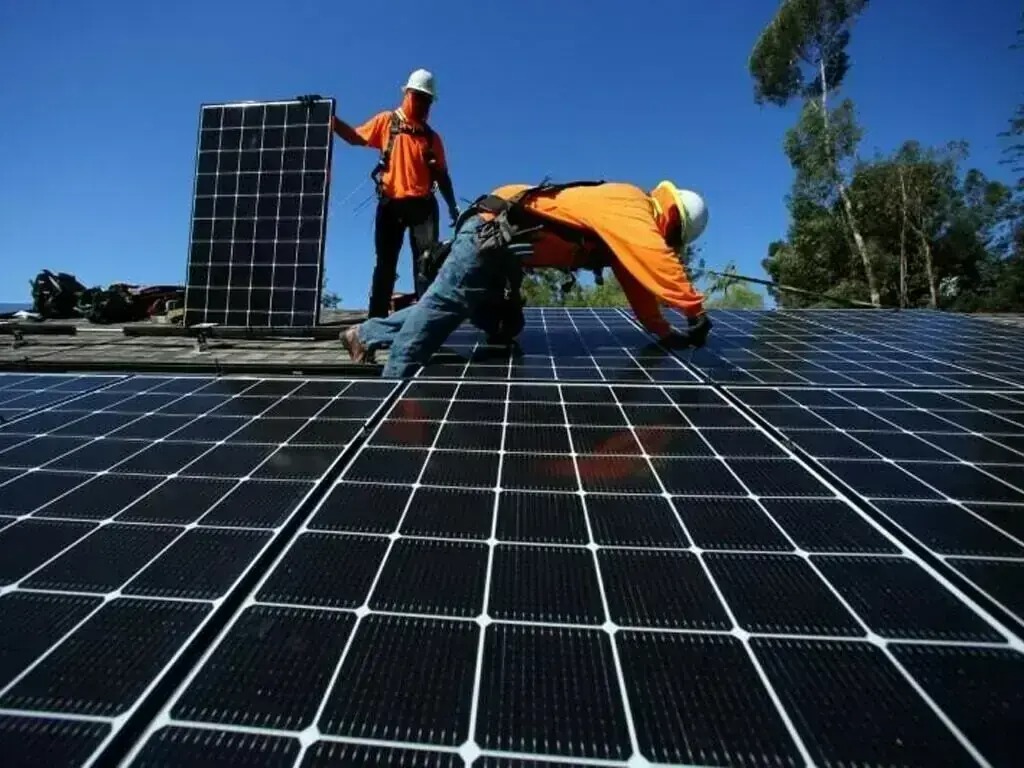
Pakistan’s solar transformation is entering a new phase, and its impact is increasingly moving beyond the electricity sector into housing, commercial property and urban development.
Pakistan’s solar transformation is entering a new phase, and its impact is increasingly moving beyond the electricity sector into housing, commercial property and urban development.
For the real estate industry, the important question is no longer simply whether a house, office or commercial building has solar panels. The next question is whether a property can generate, store and intelligently manage enough of its own electricity to reduce dependence on an increasingly expensive and changing grid.
The scale of the shift is visible in net metering data.
Electricity purchased by the grid from net metered consumers reached around 270 GWh in June 2026, compared with barely 20 GWh in June 2023. In just three years, the volume has increased more than thirteen fold.
The trend was even more pronounced in April 2026, when net-metered electricity purchases approached 390 GWh, compared with about 310 GWh in April 2025 and around 100 GWh in 2024.
These numbers matter for the property market because rooftop solar has become a significant part of household and commercial investment decisions. Houses, offices, factories, shopping facilities and other buildings are increasingly being assessed not only on location and construction quality but also on their ability to control future energy costs.
Pakistan is believed to have imported more than 55,000MW worth of solar panels cumulatively, while officially net metered installations represent only a fraction of that capacity.
That gap suggests that much of the solar market exists outside conventional net metering. Panels are being used for direct self consumption, commercial and industrial installations, hybrid systems and, increasingly, solar systems connected with battery storage.
This distinction is particularly important for real estate developers.
Under the earlier model, rooftop solar was often treated as an additional feature installed after construction. In the emerging market, energy infrastructure could become part of the original design of residential and commercial projects.
Developers may increasingly have to consider roof orientation, available solar area, electrical load planning, battery spaces, ventilation and safety requirements, backup systems and smart energy management while designing new buildings.
The change in regulation could accelerate this transition.
With net billing replacing the previous net metering arrangement for new connections, exporting surplus electricity to the grid is expected to become less financially attractive than under the earlier system.
That changes the economics of rooftop solar.
Instead of designing systems mainly to export excess daytime electricity, homeowners and businesses will have a stronger incentive to use more of their solar generation themselves.
Battery storage becomes central to that model.
Lithium battery imports reached a record USD88 million in July, signalling that storage is rapidly moving from a niche product towards a more important part of Pakistan’s energy market.
Only two years ago, spending on lithium battery imports was extremely small compared with solar panel imports. The gap has now narrowed sharply.
For property owners, batteries solve one of solar power’s biggest limitations: timing.
A conventional rooftop system generates most of its electricity during daylight hours. A battery equipped property can store part of that electricity and use it in the evening or during periods when grid electricity is expensive or unavailable.
For residential real estate, this could gradually change what buyers consider a well equipped home.
Solar panels alone may no longer represent the premium energy feature they once did. Buyers may increasingly compare properties on the basis of installed solar capacity, battery backup, expected grid dependence, electrical efficiency and the ability to operate essential loads during outages.
The same shift could be even more important in commercial real estate.
Electricity is a major operating expense for offices, retail buildings, warehouses and other commercial properties. Buildings capable of producing and storing part of their own electricity could potentially offer occupiers greater predictability over energy costs.
For landlords and developers, energy performance may therefore become increasingly relevant to tenant demand and long-term building competitiveness.
Housing societies and large residential developments also need to consider the broader consequences.
If thousands of households within a development independently install solar panels and batteries, the electricity demand profile of that community can change substantially. Daytime grid demand can fall while evening consumption may also begin to decline as households discharge stored solar electricity.
That means electrical infrastructure planned around traditional consumption patterns may no longer reflect how future communities actually use power.
Developers planning new housing schemes therefore have an opportunity to think beyond individual rooftop systems.
Future projects could incorporate solar ready roofs, battery ready electrical infrastructure, energy-efficient street lighting, smart meters, community level storage and better management of common-area electricity consumption from the planning stage.
The transition also has implications for property valuation.
Location, plot size, construction quality and neighbourhood infrastructure will remain fundamental factors in real estate value. But in a country where electricity costs have become a major household and business concern, the operating cost of a property could increasingly influence purchasing and rental decisions.
A building that requires significantly less grid electricity may offer an economic advantage over a similar property with high recurring energy expenses.
This does not mean Pakistan’s solar boom is ending because net-metering rules are changing.
The opposite may happen.
Solar adoption could increasingly shift from a model based on selling surplus electricity to the grid towards one centred on self-consumption and storage.
For the power sector, that creates a planning challenge.
For real estate, however, it signals the emergence of a different type of property: one that is not merely connected to utility infrastructure but actively generates, stores and manages energy.
Pakistan’s first solar wave changed rooftops.
The battery wave could begin changing the design, economics and marketability of the buildings beneath them.
For developers, housing societies and property investors, that is no longer just an energy sector trend. It is becoming a real estate planning issue.
پاکستان میں سولر بجلی کا بڑھتا ہوا استعمال اب صرف توانائی کے شعبے کا معاملہ نہیں رہا بلکہ اس کے اثرات رہائش، کمرشل عمارتوں، ہاؤسنگ منصوبوں اور مجموعی رئیل اسٹیٹ مارکیٹ تک پہنچنا شروع ہوگئے ہیں۔
رئیل اسٹیٹ کے لیے اب سوال صرف یہ نہیں کہ کسی گھر یا عمارت پر سولر پینل لگے ہوئے ہیں یا نہیں۔ مستقبل میں زیادہ اہم سوال یہ ہوسکتا ہے کہ وہ عمارت اپنی کتنی بجلی خود پیدا، محفوظ اور استعمال کرسکتی ہے اور مہنگی گرڈ بجلی پر اس کا انحصار کتنا ہے۔
نیٹ میٹرنگ کے اعدادوشمار اس تبدیلی کی رفتار کو واضح کرتے ہیں۔
جون 2026 میں نیٹ میٹرنگ والے صارفین سے بجلی کی خرید تقریباً 270 گیگاواٹ آور تک پہنچ گئی، جبکہ جون 2023 میں یہ مقدار صرف تقریباً 20 گیگاواٹ آور تھی۔
یوں صرف تین سال میں یہ مقدار تیرہ گنا سے زیادہ بڑھ گئی۔
اپریل 2026 میں یہ رجحان مزید نمایاں رہا، جب نیٹ میٹرنگ کے ذریعے حاصل ہونے والی بجلی تقریباً 390 گیگاواٹ آور تک پہنچ گئی۔ ایک سال قبل یہ مقدار تقریباً 310 گیگاواٹ آور اور 2024 میں قریب 100 گیگاواٹ آور تھی۔
رئیل اسٹیٹ کے لیے یہ اعدادوشمار اس لیے اہم ہیں کہ سولر اب گھروں اور کاروباری عمارتوں میں اضافی سہولت سے بڑھ کر ایک اہم سرمایہ کاری بنتا جارہا ہے۔
گھر، دفاتر، فیکٹریاں اور دوسری کمرشل عمارتیں اب صرف محل وقوع اور تعمیر کے معیار کی بنیاد پر نہیں بلکہ مستقبل کے بجلی اخراجات کو کم کرنے کی صلاحیت کے لحاظ سے بھی دیکھی جاسکتی ہیں۔
پاکستان میں مجموعی طور پر 55 ہزار میگاواٹ سے زیادہ صلاحیت کے سولر پینل درآمد ہونے کا اندازہ ہے، لیکن سرکاری نیٹ میٹرنگ نظام میں شامل سولر صلاحیت اس کا صرف ایک حصہ ہے۔
اس فرق سے ظاہر ہوتا ہے کہ سولر کا بڑا استعمال نیٹ میٹرنگ سے باہر بھی ہورہا ہے۔
بہت سے صارفین اپنی پیدا کردہ بجلی براہ راست استعمال کررہے ہیں، جبکہ صنعتوں، کاروباری اداروں اور گھروں میں ہائبرڈ نظام اور بیٹریوں کے ساتھ سولر سسٹم بھی بڑھ رہے ہیں۔
یہ تبدیلی خاص طور پر رئیل اسٹیٹ ڈویلپرز کے لیے اہم ہے۔
ماضی میں اکثر سولر پینل گھر یا عمارت مکمل ہونے کے بعد ایک اضافی سہولت کے طور پر لگائے جاتے تھے۔ مستقبل میں سولر اور بجلی محفوظ کرنے کا نظام عمارت کے بنیادی ڈیزائن کا حصہ بن سکتا ہے۔
نئی عمارتیں بناتے وقت چھت کی سمت، سولر پینل لگانے کے لیے جگہ، بجلی کے متوقع استعمال، بیٹری رکھنے کی محفوظ جگہ، وینٹی لیشن، بیک اپ نظام اور توانائی کے بہتر انتظام جیسے معاملات پہلے ہی منصوبہ بندی میں شامل کرنا پڑ سکتے ہیں۔
نیٹ میٹرنگ کے نئے ضابطے بھی اس تبدیلی کو تیز کرسکتے ہیں۔
نئے کنکشنز کے لیے سابق نیٹ میٹرنگ نظام کی جگہ نیٹ بلنگ آنے سے اضافی سولر بجلی گرڈ کو فروخت کرنے کی کشش کم ہونے کا امکان ہے۔
اس کا مطلب یہ ہے کہ صارفین اپنی پیدا کردہ بجلی زیادہ سے زیادہ خود استعمال کرنا چاہیں گے۔
یہیں بیٹریوں کی اہمیت بڑھتی ہے۔
جولائی میں پاکستان کی لیتھیم بیٹریوں کی درآمدات 88 ملین ڈالر کی ریکارڈ سطح تک پہنچ گئیں، جو اس بات کا اشارہ ہے کہ بجلی محفوظ کرنے کی ٹیکنالوجی تیزی سے ایک بڑی مارکیٹ میں تبدیل ہورہی ہے۔
صرف دو سال پہلے سولر پینلز کے مقابلے میں بیٹریوں پر خرچ بہت کم تھا، لیکن اب یہ فرق تیزی سے کم ہورہا ہے۔
گھر کے مالک کے لیے بیٹری سولر بجلی کا ایک بنیادی مسئلہ حل کرتی ہے۔
عام سولر سسٹم زیادہ تر بجلی دن کے وقت پیدا کرتا ہے، لیکن بیٹری رکھنے والا گھر دن کی اضافی بجلی محفوظ کرکے شام یا رات کے وقت استعمال کرسکتا ہے۔
رہائشی رئیل اسٹیٹ میں اس سے خریداروں کی ترجیحات بھی بدل سکتی ہیں۔
آنے والے وقت میں صرف سولر پینل ہونا شاید اتنی بڑی اضافی خصوصیت نہ رہے جتنا آج سمجھا جاتا ہے۔ خریدار یہ بھی دیکھ سکتے ہیں کہ گھر میں کتنی سولر صلاحیت موجود ہے، بیٹری بیک اپ کتنا ہے، بجلی کی ماہانہ ضرورت میں گرڈ کا حصہ کتنا رہتا ہے اور لوڈشیڈنگ کے دوران ضروری سہولتیں کتنی دیر چل سکتی ہیں۔
کمرشل رئیل اسٹیٹ پر اس کا اثر اور بھی زیادہ ہوسکتا ہے۔
دفاتر، دکانوں، گوداموں اور دوسری کاروباری عمارتوں کے لیے بجلی ایک اہم مسلسل خرچ ہے۔ اگر کوئی عمارت اپنی بجلی کا قابل ذکر حصہ خود پیدا اور محفوظ کرسکتی ہے تو کاروبار کو اخراجات میں زیادہ استحکام مل سکتا ہے۔
اسی لیے مستقبل میں کسی کمرشل عمارت کی توانائی کی کارکردگی کرایہ داروں اور سرمایہ کاروں کے فیصلوں میں زیادہ اہم ہوسکتی ہے۔
ہاؤسنگ سوسائٹیوں کے لیے بھی یہ تبدیلی اہم ہے۔
اگر ایک ہی رہائشی منصوبے میں ہزاروں گھر اپنی اپنی سولر اور بیٹری تنصیبات لگالیں تو پورے علاقے کا بجلی استعمال کرنے کا انداز تبدیل ہوسکتا ہے۔
دن کے وقت گرڈ سے بجلی کی طلب کم ہوگی اور بیٹریاں عام ہونے کی صورت میں شام کے اوقات میں بھی روایتی طلب کم ہوسکتی ہے۔
اس لیے مستقبل کے ہاؤسنگ منصوبوں کو ماضی کے بجلی استعمال کے انداز پر مکمل انحصار کرکے ڈیزائن کرنا مناسب نہیں ہوگا۔
نئے منصوبوں میں سولر کے لیے موزوں چھتیں، بیٹری لگانے کے لیے تیار برقی نظام، کم بجلی استعمال کرنے والی سٹریٹ لائٹس، اسمارٹ میٹرنگ اور مشترکہ مقامات کے بجلی اخراجات کا بہتر انتظام ابتدا ہی سے شامل کیا جاسکتا ہے۔
اس تبدیلی کا جائیداد کی ویلیو سے بھی تعلق بن سکتا ہے۔
محل وقوع، پلاٹ کا رقبہ، تعمیر کا معیار اور علاقے کی سہولتیں ہمیشہ جائیداد کی قیمت کے بنیادی عوامل رہیں گے۔ لیکن جس ملک میں بجلی کے بل گھرانوں اور کاروباروں کے لیے بڑا مسئلہ بنتے جارہے ہوں، وہاں کسی عمارت کے ماہانہ چلانے کے اخراجات بھی خرید و فروخت اور کرایے کے فیصلوں میں زیادہ اہم ہوسکتے ہیں۔
نیٹ میٹرنگ کے ضابطوں میں تبدیلی کا مطلب یہ نہیں کہ پاکستان میں سولر کا دور ختم ہورہا ہے۔
زیادہ امکان یہ ہے کہ سولر کا اگلا مرحلہ گرڈ کو بجلی فروخت کرنے کے بجائے اپنی پیدا کردہ بجلی خود استعمال اور بیٹریوں میں محفوظ کرنے کی طرف بڑھے گا۔
پاکستان کی پہلی سولر لہر نے گھروں کی چھتیں تبدیل کیں۔
اب بیٹریوں کی لہر ان چھتوں کے نیچے بننے والے گھروں اور عمارتوں کے ڈیزائن، اخراجات اور مارکیٹ میں ان کی کشش کو بھی تبدیل کرسکتی ہے۔
رئیل اسٹیٹ ڈویلپرز، ہاؤسنگ سوسائٹیوں اور سرمایہ کاروں کے لیے یہ صرف بجلی کے شعبے کی تبدیلی نہیں رہی، بلکہ مستقبل کی پراپرٹی پلاننگ کا ایک اہم معاملہ بنتی جارہی ہے۔