Currently viewing
Housing Societies Coverage
Affordable Housing and the Shortage of Housing Finance in Pakistan: Why the Dream Remains Unfulfilled
July 6, 2026
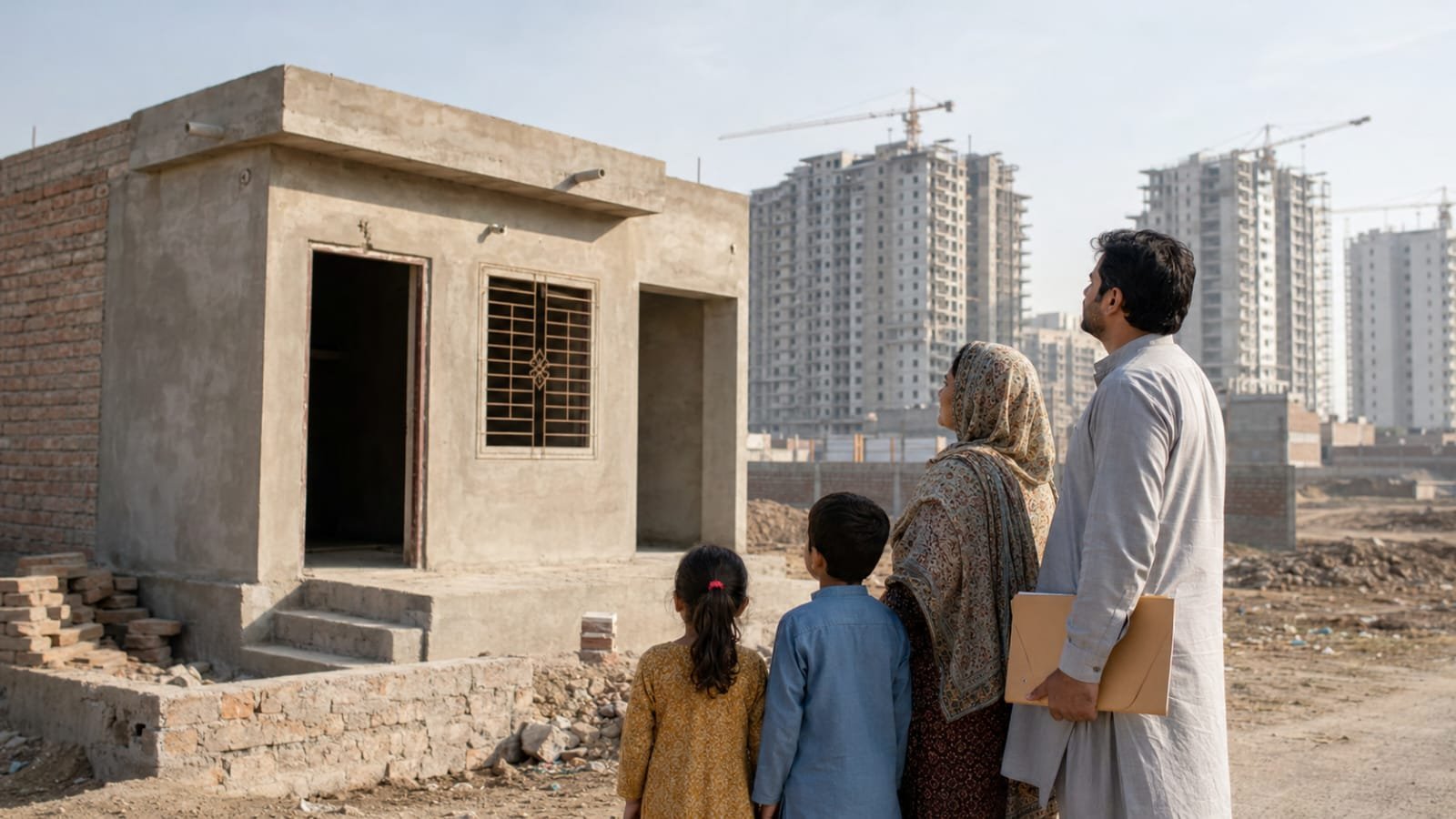
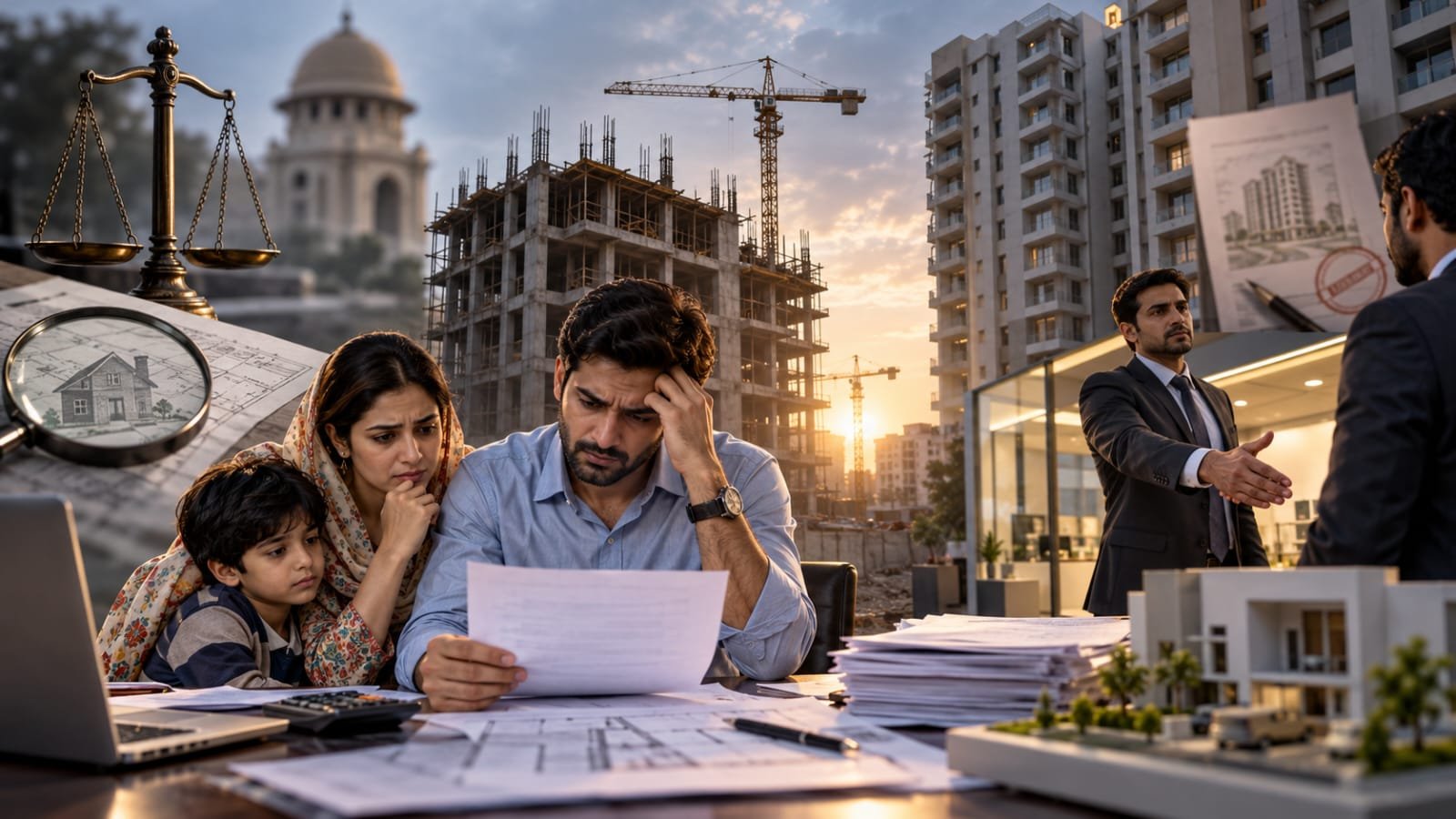
Owning a home in Pakistan is not merely a basic need; it is also a cherished dream for every family. Yet, for millions of citizens, this dream is increasingly moving further out of reach instead of becoming a reality. One of the biggest reasons is the shortage of affordable housing and limited access to housing finance, both of which remain among the most serious challenges facing Pakistan’s real estate sector.
Pakistan’s population is growing rapidly, while migration to cities continues at a steady pace. Every year, millions of people move to urban centres in search of jobs, education and better facilities. However, compared with this growing population pressure, the development of new and low cost housing projects remains extremely limited. As a result, a clear gap has emerged between housing demand and supply, pushing residential property prices beyond the reach of ordinary citizens.
Another major dimension of the problem is housing finance. In developed countries, most people buy homes through long term home loans provided by banks at relatively affordable interest rates. In Pakistan, however, the volume of housing finance remains extremely low compared with the overall size of the economy. Banks do not approve loans for every applicant due to strict conditions, high down payments, complex income documentation and other requirements. In addition, fluctuations in interest rates create another major obstacle for homebuyers.
This situation affects not only the middle class but also young salaried professionals. Despite having a regular income, many people are forced to live in rented houses for years instead of buying their own homes. Low income families, meanwhile, often move towards informal settlements or katchi abadis, where even basic urban facilities are not fully available.
From an economic perspective, the shortage of affordable housing is not only a social issue but also a barrier to economic growth. Dozens of sectors are linked with the construction industry, including cement, steel, bricks, wood, electrical equipment, sanitary products, transport and skilled labour. When residential construction slows down, business activity in all these sectors is also affected, reducing employment opportunities and slowing the pace of economic growth.
Solving this problem will require more than government schemes alone. The government, private sector, banks and housing regulators will have to adopt a joint strategy. Encouraging low cost housing projects, providing housing loans on easy instalments, establishing a transparent regulatory framework, improving land planning and ensuring timely provision of basic infrastructure can all prove to be important steps in this direction. At the same time, a long term and stable housing finance policy is essential so that ordinary citizens can make home buying decisions with confidence.
If Pakistan fails to meet the housing needs of its growing population in time, the housing crisis may become even more severe in the future. Affordable housing and effective housing finance are not merely economic requirements; they are also the foundation of social stability, urban development and a better quality of life. Only when ordinary citizens can obtain a home with dignity will Pakistan be able to build a truly strong, balanced and sustainable real estate sector.