Islamabad | ReNews Pakistan
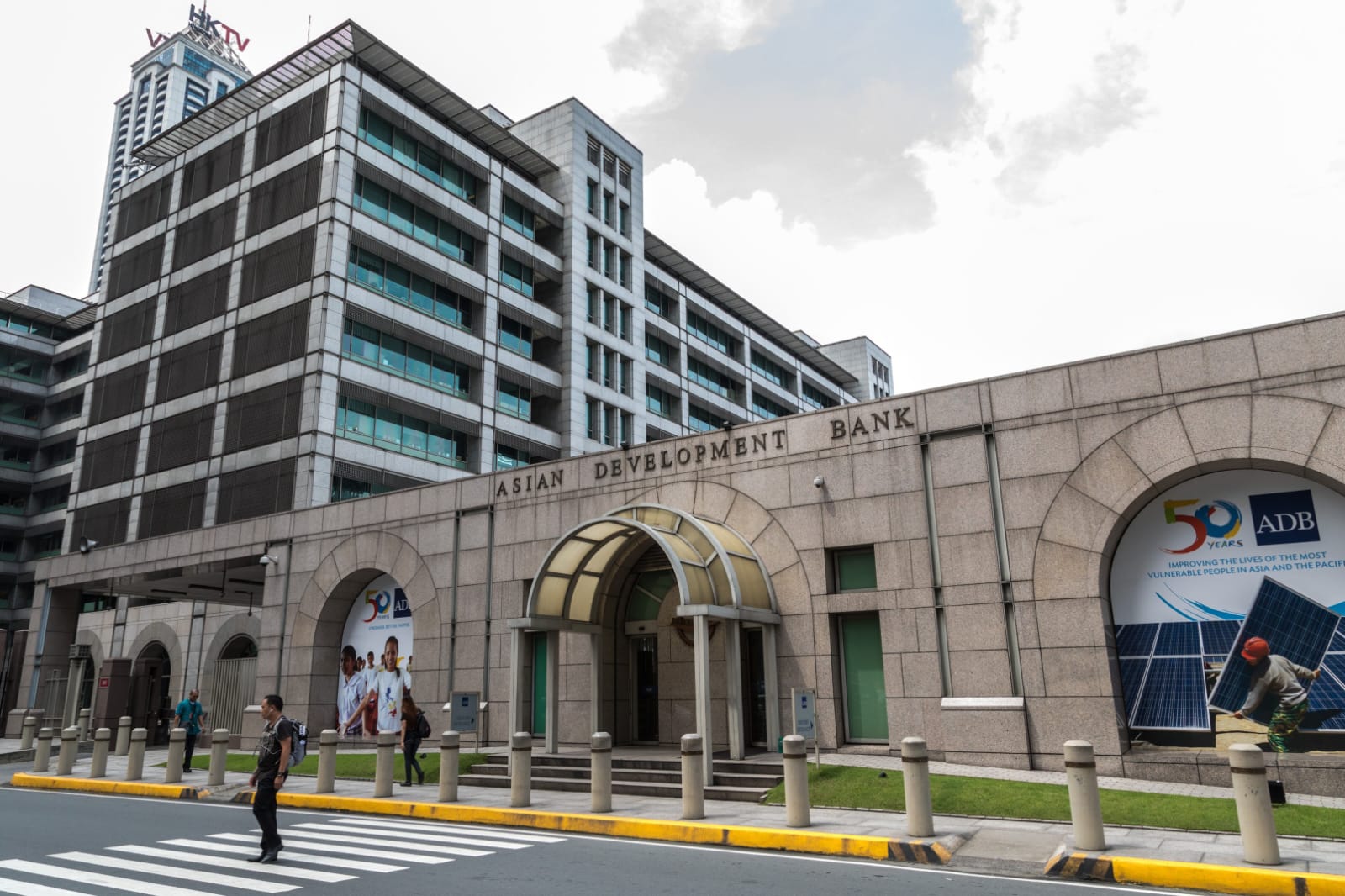
The Asian Development Bank (ADB) and World Bank have expressed interest in financing Pakistan’s $6.68–$6.80 billion Main Line-1 (ML-1) railway project, a major infrastructure initiative aimed at upgrading the country’s busiest rail corridor between Karachi and Peshawar.
The Economic Affairs Division briefed the National Assembly’s Standing Committee on Economic Affairs on the project, outlining the proposed financing structure and the latest revisions to its design and cost.
According to the briefing, the ADB is being considered as the lead financing institution, while the Asian Infrastructure Investment Bank (AIIB) and World Bank have indicated commitments for co-financing. The European Investment Bank (EIB), Islamic Development Bank (IsDB) and Japan International Cooperation Agency (JICA) have also expressed interest in supporting the project.
ML-1 covers approximately 1,800 kilometres of railway line from Karachi to Peshawar and is intended to go beyond conventional rehabilitation and track-upgradation works. The project also incorporates institutional, operational and management reforms designed to improve the efficiency, financial sustainability and service delivery of Pakistan Railways.
The project was recently reassessed to identify gaps in its design and incorporate improvements before implementation. Following the reassessment, the estimated cost was revised to between $6.68 billion and $6.80 billion, substantially lower than the earlier estimate of approximately $9 billion.
Under the revised plan, ML-1 infrastructure is being designed to accommodate train speeds of up to 160 kilometres per hour, while the currently envisaged operational speed is up to 120 kilometres per hour.
The construction period has been targeted at approximately three years, although the final implementation schedule would depend on project approvals, financing arrangements, procurement and construction requirements.
Members of the National Assembly committee, however, raised questions over the proposed operational speed and called for the project to make full use of modern railway technologies and international standards.
The committee stressed that infrastructure and operational specifications should be developed in a manner that allows trains to operate at speeds of up to 160 km/h wherever technically and economically feasible.
The ML-1 project is regarded as a major component of efforts to modernise Pakistan’s railway network, improve passenger and freight services and strengthen the operational capacity of Pakistan Railways. Its implementation would also require coordination among the government, international financing institutions and railway authorities on technical standards, institutional reforms and long-term operational sustainability.
Published: September 28, 2026 - 2:01 PM
$6.8 Billion ML-1 Railway Upgrade Set to Reshape Land and Real Estate Development Along Karachi/Peshawar Corridor
6.8 ارب ڈالر کا ایم ایل ون منصوبہ: کراچی، پشاور ریلوے کوریڈور کے اطراف زمین اور رئیل اسٹیٹ ترقی میں تیزی کا امکان
▫️ ADB may lead financing, while AIIB and World Bank consider co financing; EIB, IsDB and JICA also express interest
Islamabad | ReNews PakistanThe Asian Development Bank (ADB) and World Bank have expressed interest in financing Pakistan’s $6.