
تاریخ اشاعت: October 9, 2026 - 3:01 PM
Federal Cabinet Approves Reconstitution of Evacuee Trust Property Board for Three Years
وفاقی کابینہ نے متروکہ وقف املاک بورڈ کی 3 سال کے لیے ازسرنو تشکیل کی منظوری دے دی
▫️ بورڈ میں 6 سرکاری اور 15 غیر سرکاری ارکان کی تقرری کا نوٹیفکیشن جاری، سکھ، ہندو اور مسلم برادریوں کو نمائندگی
اسلام آباد | ری نیوز پاکستانوفاقی کابینہ نے متروکہ وقف املاک بورڈ (ای ٹی پی بی) کی تین سال کے لیے ازسرنو تشکیل کی منظوری دے دی ہے، جس کے تحت بورڈ میں 6 سرکاری اور 15 غیر سرکاری اراکین کی تقرری کا باضابطہ نوٹیفکیشن جاری کردیا گیا ہے۔
Islamabad | ReNews Pakistan
The federal cabinet has approved the reconstitution of the Evacuee Trust Property Board (ETPB) for a three year term, with the government issuing a formal notification for the appointment of six official and 15 non official members representing different provinces and religious communities across Pakistan.
The newly constituted board includes representatives from the Sikh, Hindu and Muslim communities, reflecting efforts to ensure broader participation in the management and oversight of evacuee trust properties, religious heritage sites and related administrative matters.
According to the notification issued by the Ministry of Religious Affairs and Interfaith Harmony, the board has been reconstituted for three years under the relevant provisions of the Evacuee Trust Properties (Management and Disposal) Act, 1975.
The legislation provides the legal framework for the administration, management and disposal of evacuee trust properties and empowers the federal government to constitute the board and appoint its members.
Of the 15 non official members appointed to the board, six belong to the Sikh community, four represent the Hindu community and five are from the Muslim community.
The Sikh representatives include Sardar Tara Singh from Sindh, Dr. Mampal Singh from Punjab, Manmeet Kaur Mishal from Khyber Pakhtunkhwa, Inderjit Singh from Punjab, Sardar Surjit Singh Kanwal from Punjab and Satwant Kaur from Punjab.
Representatives from the Hindu community include Krishna Sharma from Sindh, Dr. Sawera Parkash from Khyber Pakhtunkhwa, Ajay Kumar from Sindh and Leela Ilyas Kalpana from Sindh.
The Muslim representatives appointed as non-official members include Izharul Hassan from Punjab, retired Brigadier Khalid Siddique, former Member of the Provincial Assembly Ikhtiar Wali Khan from Khyber Pakhtunkhwa, Advocate Ali Raza from Punjab and Meesaq Arif from Khyber Pakhtunkhwa.
The six official positions include representation from the federal government and provincial administrations, providing an institutional mechanism for coordination on matters relating to evacuee trust properties and their management.
The Evacuee Trust Property Board operates under the administrative control of the federal Ministry of Religious Affairs and Interfaith Harmony and is responsible for managing properties associated with religious, charitable and educational trusts.
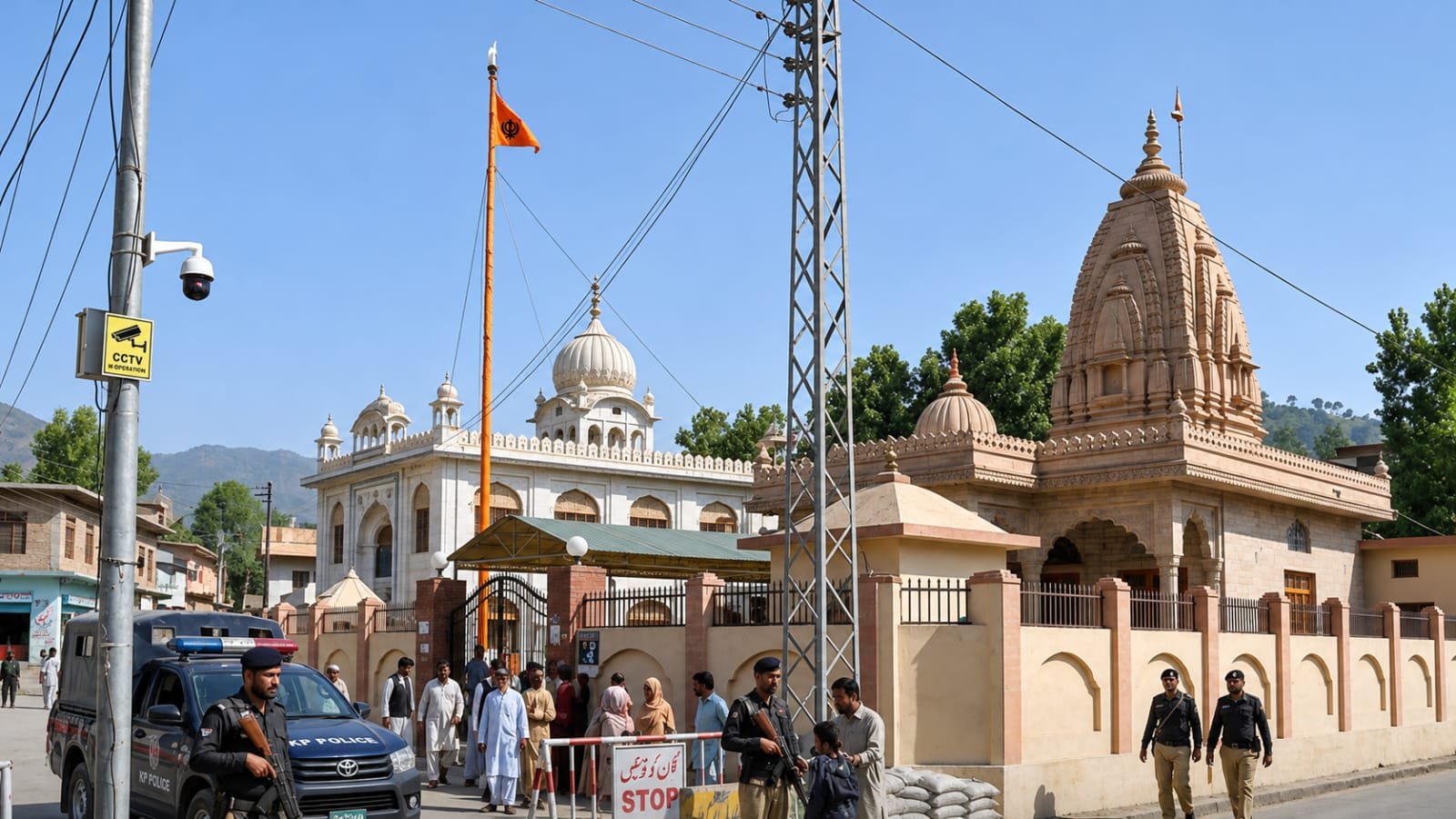
The organisation also oversees numerous historic religious sites, including Sikh gurdwaras and Hindu temples, and plays an important role in preserving religious heritage across the country.
Established in 1960, the ETPB operates under the Evacuee Trust Properties (Management and Disposal) Act, 1975, which provides the principal legal framework governing its functions and responsibilities.
The board manages various categories of urban and agricultural properties, including land and buildings associated with charitable, religious and educational institutions.
Its responsibilities include property administration, leasing arrangements, rent collection, management of trust assets and measures relating to the recovery of properties from illegal occupation.
In addition to its property management responsibilities, the ETPB is involved in the maintenance and restoration of religious heritage sites and coordination of arrangements for Sikh and Hindu pilgrims visiting Pakistan.
The inclusion of representatives from different religious communities and provinces in the reconstituted board is expected to provide opportunities for wider consultation on issues concerning minority religious heritage, property administration and institutional governance.
The newly appointed members will serve for a three-year period under the notified arrangements.
The reconstituted board will be responsible for carrying out its statutory functions relating to the management and oversight of evacuee trust properties.
Among the important areas of institutional responsibility are effective property management, protection of religious heritage, maintenance of property records and transparency in the administration of trust assets.
The federal cabinet's approval marks a significant administrative development for the ETPB, establishing a renewed board structure with participation from government representatives and members of different religious communities.
The new composition provides a framework for institutional coordination and stakeholder representation in the management of Pakistan's evacuee trust properties and associated religious heritage assets.
اسلام آباد | ری نیوز پاکستان
وفاقی کابینہ نے متروکہ وقف املاک بورڈ (ای ٹی پی بی) کی تین سال کے لیے ازسرنو تشکیل کی منظوری دے دی ہے، جس کے تحت بورڈ میں 6 سرکاری اور 15 غیر سرکاری اراکین کی تقرری کا باضابطہ نوٹیفکیشن جاری کردیا گیا ہے۔ نئے بورڈ میں سکھ، ہندو اور مسلم برادریوں سے تعلق رکھنے والی شخصیات کو نمائندگی دی گئی ہے تاکہ متروکہ وقف املاک، مذہبی عبادت گاہوں اور متعلقہ انتظامی امور میں مختلف برادریوں کی شمولیت یقینی بنائی جاسکے۔
وفاقی وزارت مذہبی امور و بین المذاہب ہم آہنگی کی جانب سے جاری نوٹیفکیشن کے مطابق بورڈ کی تشکیل نو تین سال کی مدت کے لیے کی گئی ہے، جبکہ اس میں پنجاب، سندھ، خیبر پختونخوا اور دیگر علاقوں سے تعلق رکھنے والے سرکاری و غیر سرکاری نمائندے شامل کیے گئے ہیں۔
نئے بورڈ کی تشکیل متروکہ وقف املاک (انتظام و تصرف) ایکٹ 1975 کی متعلقہ دفعات کے تحت کی گئی ہے، جس کے ذریعے وفاقی حکومت کو بورڈ کی تشکیل اور اس کے اراکین کی تقرری کا اختیار حاصل ہے۔
نوٹیفکیشن کے مطابق غیر سرکاری اراکین میں سکھ برادری کے 6، ہندو برادری کے 4 اور مسلم برادری کے 5 نمائندے شامل کیے گئے ہیں۔
سکھ برادری سے سردار تارا سنگھ (سندھ)، ڈاکٹر ممپال سنگھ (پنجاب)، منمیت کور مشعل (خیبر پختونخوا)، اندر جیت سنگھ (پنجاب)، سردار سرجیت سنگھ کنول (پنجاب) اور ستونت کور (پنجاب) کو غیر سرکاری اراکین مقرر کیا گیا ہے۔
ہندو برادری کی نمائندگی کے لیے کرشن شرما (سندھ)، ڈاکٹر سویرا پرکاش (خیبر پختونخوا)، اجے کمار (سندھ) اور لیلہ الیاس کلپنا (سندھ) کو بورڈ میں شامل کیا گیا ہے۔
اسی طرح مسلم برادری سے اظہار الحسن (پنجاب)، بریگیڈیئر ریٹائرڈ خالد صدیق، سابق رکن صوبائی اسمبلی اختیار ولی خان (خیبر پختونخوا)، علی رضا ایڈووکیٹ (پنجاب) اور میثاق عارف (خیبر پختونخوا) کو غیر سرکاری اراکین مقرر کیا گیا ہے۔
بورڈ کے 6 سرکاری اراکین میں وفاقی وزارت مذہبی امور اور صوبائی حکومتوں کی نمائندگی شامل ہوگی، جس کے ذریعے متروکہ وقف املاک سے متعلق انتظامی معاملات میں وفاقی اور صوبائی اداروں کے درمیان رابطوں کو مضبوط بنانے میں مدد مل سکتی ہے۔
متروکہ وقف املاک بورڈ وفاقی وزارت مذہبی امور و بین المذاہب ہم آہنگی کے انتظامی کنٹرول میں کام کرنے والا اہم ادارہ ہے، جو ملک بھر میں متروکہ وقف املاک، مذہبی و فلاحی اداروں سے منسلک جائیدادوں اور سکھ و ہندو برادریوں کی متعدد تاریخی عبادت گاہوں کے انتظام و تحفظ کی ذمہ داریاں انجام دیتا ہے۔
بورڈ کے زیر انتظام مختلف شہری اور زرعی املاک بھی موجود ہیں، جن سے متعلق لیز، کرایہ داری، انتظامی نگرانی اور غیر قانونی قبضوں کے معاملات ادارے کی ذمہ داریوں میں شامل ہیں۔
بورڈ پاکستان میں واقع متعدد تاریخی گوردواروں اور مندروں کے انتظام، دیکھ بھال اور بحالی کے امور بھی انجام دیتا ہے، جبکہ مذہبی تقریبات کے موقع پر ملک اور بیرون ملک سے آنے والے یاتریوں کے لیے متعلقہ انتظامات میں بھی کردار ادا کرتا ہے۔
متروکہ وقف املاک بورڈ کی ازسرنو تشکیل کو ادارے کے انتظامی ڈھانچے میں اہم پیش رفت قرار دیا جا رہا ہے، کیونکہ نئے اراکین کی شمولیت سے مختلف مذہبی برادریوں اور صوبوں کی نمائندگی کے ساتھ ادارے کے معاملات میں وسیع تر مشاورت کے امکانات پیدا ہوں گے۔
نئے بورڈ کے سامنے متروکہ وقف املاک کے مؤثر انتظام، جائیدادوں کے ریکارڈ کی بہتری، تاریخی مذہبی مقامات کے تحفظ اور ادارے کے انتظامی معاملات میں شفافیت جیسے اہم امور موجود ہوں گے۔
وفاقی حکومت کی جانب سے جاری نوٹیفکیشن کے تحت نئے اراکین تین سال کی مقررہ مدت کے لیے بورڈ کا حصہ ہوں گے، جبکہ بورڈ اپنی قانونی ذمہ داریوں کے مطابق متروکہ وقف املاک کے انتظام و نگرانی سے متعلق امور انجام دے گا