
تاریخ اشاعت: September 9, 2026 - 3:01 PM
Business Community Raises Concern Over Conversion of Agricultural Land into Housing Schemes in Punjab
پنجاب میں زرعی زمین کے ہاؤسنگ سکیموں میں بڑھتے ہوئے استعمال پر کاروباری برادری کا اظہار تشویش
▫️لاہور چیمبر میں کاروباری نمائندوں کا زرعی اراضی کے تحفظ کیلئے مؤثر اقدامات کا مطالبہ، نجی ہاؤسنگ سکیموں کی منظوری اور لینڈ یوز تبدیلی کے نظام میں سخت نگرانی کی ضرورت پر زور
لاہور | ری نیوز پاکستانپنجاب میں تیزی سے بڑھتی ہوئی ہاؤسنگ سکیموں اور زرعی زمین کو رہائشی منصوبوں میں تبدیل کرنے کے رجحان پر کاروباری اور تجارتی حلقوں نے تشویش کا اظہار کرتے ہوئے حکومت سے زرعی اراضی کے تحفظ کے لیے مؤثر اور طویل المدتی اق...
Lahore | ReNews Pakistan
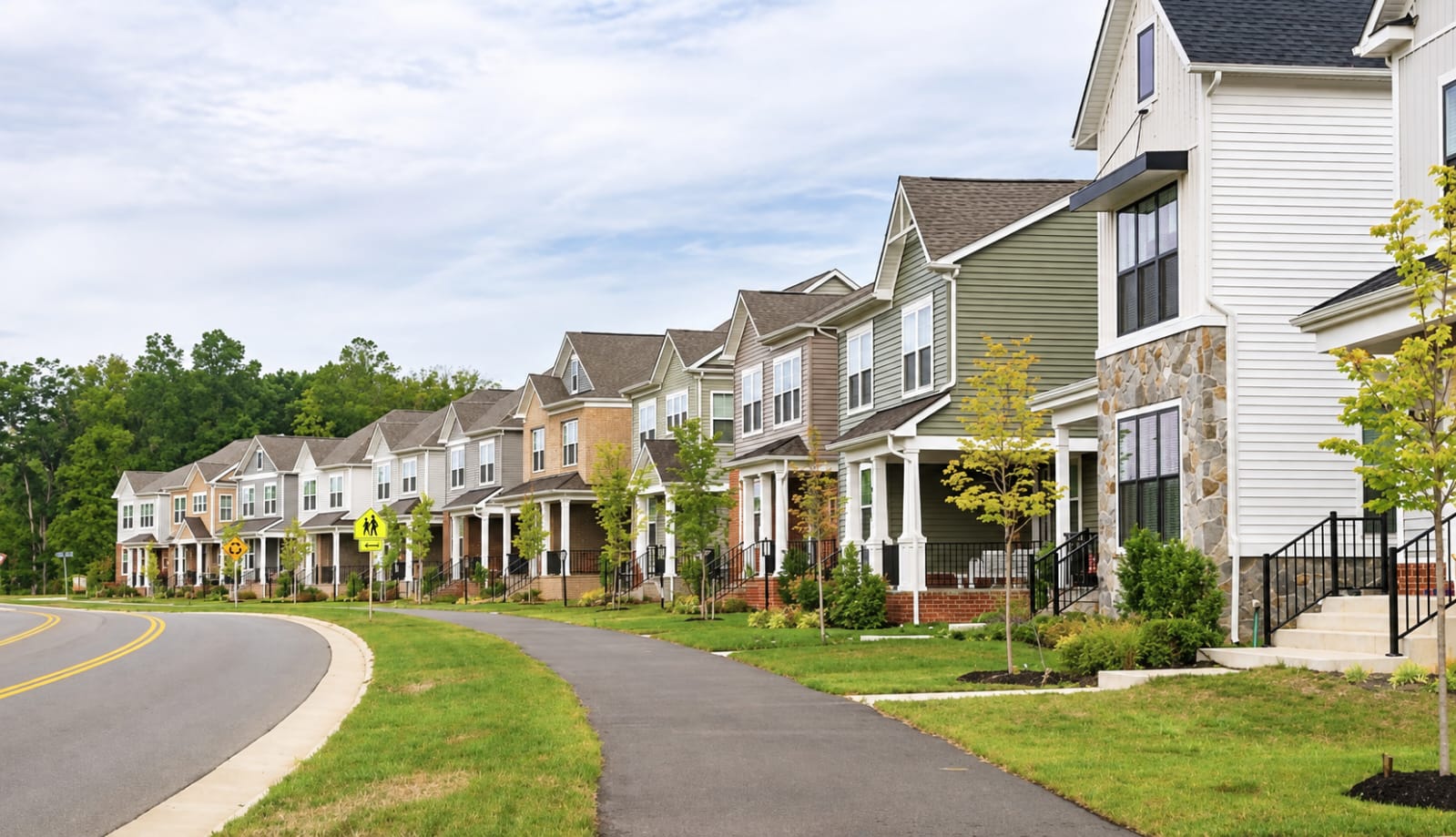
The business and commercial community has expressed concern over the rapidly increasing development of housing schemes in Punjab and the growing conversion of agricultural land into residential projects, urging the government to take effective and long-term measures to protect agricultural land.
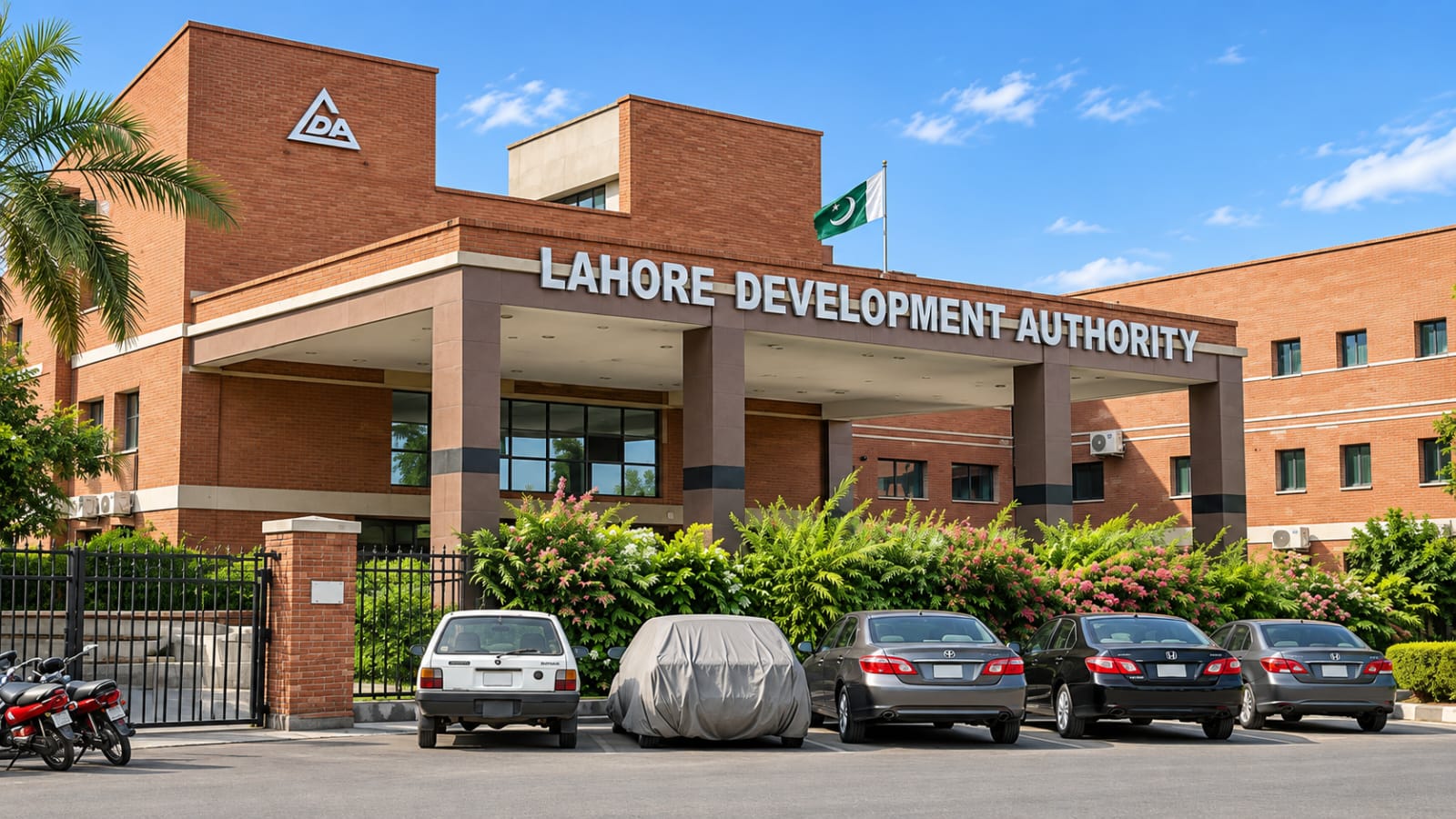
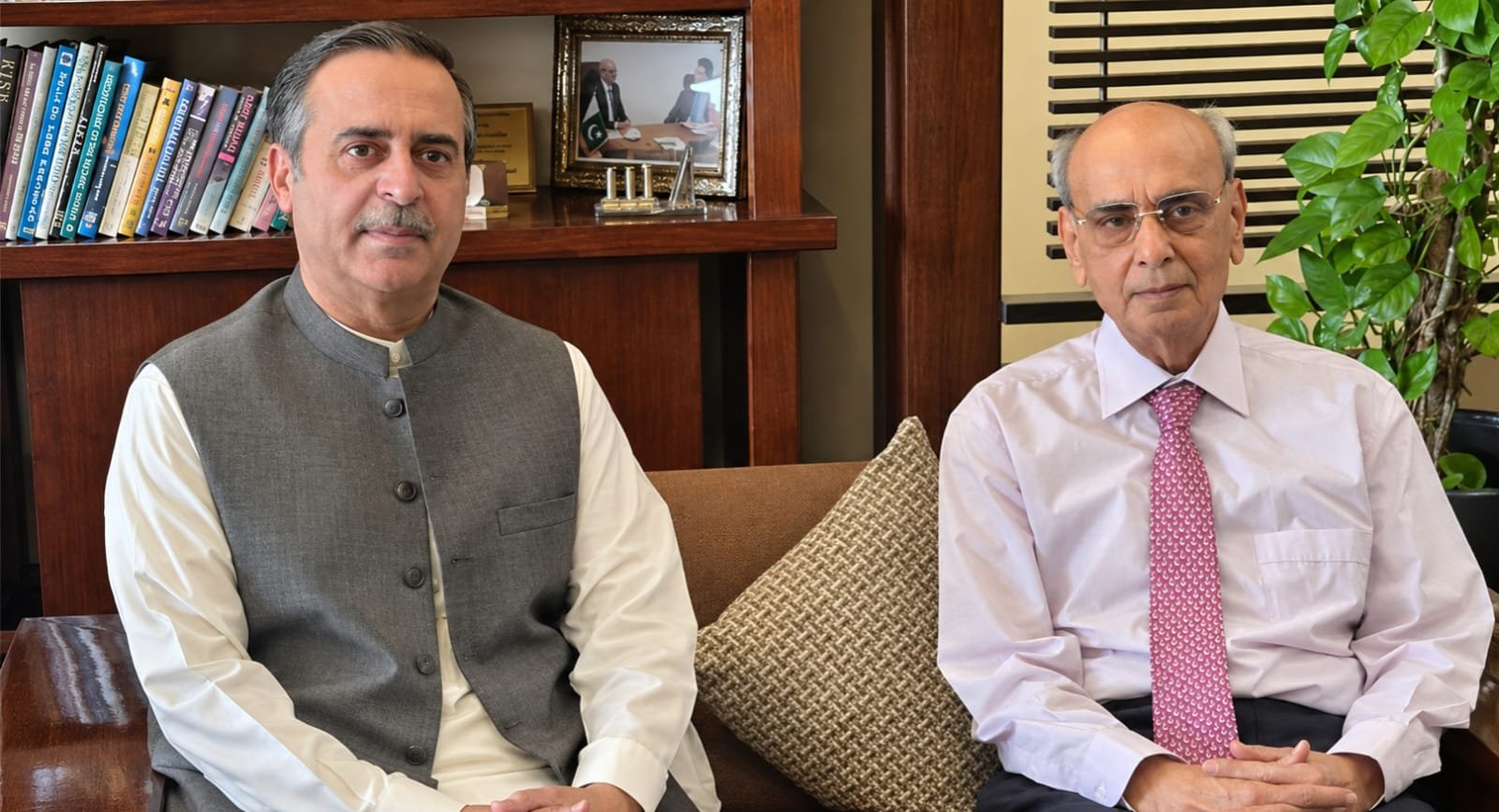
During a discussion held at the Lahore Chamber of Commerce and Industry on September 8, business representatives pointed out that the expansion of urban settlements is rapidly diverting agricultural land toward housing schemes, commercial projects and other construction activities. They warned that unless this trend is effectively regulated through proper land-use planning and monitoring, it could create serious challenges for agricultural production, food security and the environment in the future.
Punjab already has various laws and regulations governing private housing schemes and land use, including the Punjab Private Housing Scheme Rules 2022 and regulations relating to land-use planning. According to official records, a legal framework is in place for land-use planning, land classification, reclassification and redevelopment.
In June 2026, the Punjab government also approved major regulatory reforms for private housing schemes. The reforms included digitization of the approval process, action against illegal housing projects, underground utility services and measures aimed at protecting the rights of property buyers. Penalties were also introduced for schemes established without approval or those failing to complete development works within the prescribed timeframe.
The business community’s call for protection of agricultural land comes at a time when the Punjab government is also undertaking initiatives aimed at preserving agricultural land for cultivation and providing land to landless families. Under the “Apna Khet, Apna Rozgar” scheme, the government has launched a programme involving agricultural land worth around Rs160 billion for landless rural families, with conditions requiring the allocated land to remain under agricultural use for a specified period and restricting permanent construction.
Experts say the conversion of agricultural land into residential use not only reduces the area available for cultivation but also places pressure on agricultural belts surrounding cities, natural drainage routes and the broader environmental balance. The rapid expansion of residential settlements around major cities could also increase pressure on water supplies, traffic networks, sewerage systems, electricity and other civic infrastructure in the future.
The unregulated conversion of agricultural land has also emerged as an important issue for the real estate sector. Experts believe that approval of housing schemes should not be based solely on land availability. Population needs, existing urban infrastructure, water availability, sewerage systems, environmental impact and the future master plan of the area should also be taken into consideration.
Business representatives urged the government to improve transparency in the process of converting agricultural land, accelerate action against illegal housing schemes and protect land that is strategically important for food production and environmental sustainability from unnecessary conversion to residential or commercial use.
Meanwhile, various programmes are also being implemented in Punjab to modernize the agricultural sector, improve irrigation and promote efficient water use and agricultural productivity. According to the Agriculture Department, work is also underway on modern irrigation systems, water management and agricultural infrastructure projects, reflecting the government’s focus on maintaining the productive capacity of agricultural land.
Business circles said the expansion of the housing sector is inevitable in view of Punjab’s growing population and rising demand for residential facilities. However, they stressed that a balance must be maintained between protecting agricultural land, organized urban planning and sustainable land-use policies so that present housing requirements can be met without compromising agricultural resources for future generations.
لاہور | ری نیوز پاکستان
پنجاب میں تیزی سے بڑھتی ہوئی ہاؤسنگ سکیموں اور زرعی زمین کو رہائشی منصوبوں میں تبدیل کرنے کے رجحان پر کاروباری اور تجارتی حلقوں نے تشویش کا اظہار کرتے ہوئے حکومت سے زرعی اراضی کے تحفظ کے لیے مؤثر اور طویل المدتی اقدامات اٹھانے کا مطالبہ کیا ہے۔
8 ستمبر کو لاہور چیمبر آف کامرس اینڈ انڈسٹری میں ہونے والی گفتگو کے دوران کاروباری نمائندوں نے اس امر کی نشاندہی کی کہ شہری آبادی میں توسیع کے باعث زرعی زمین تیزی سے ہاؤسنگ سکیموں، کمرشل منصوبوں اور دیگر تعمیراتی سرگرمیوں کی جانب منتقل ہو رہی ہے۔ ان کے مطابق اگر اس رجحان کو مؤثر لینڈ یوز پلاننگ اور نگرانی کے ذریعے منظم نہ کیا گیا تو مستقبل میں زرعی پیداوار، غذائی تحفظ اور ماحولیات کو سنگین مسائل کا سامنا ہوسکتا ہے۔
پنجاب میں نجی ہاؤسنگ سکیموں اور زمین کے استعمال سے متعلق پہلے ہی مختلف قوانین اور قواعد موجود ہیں، جن میں پنجاب پرائیویٹ ہاؤسنگ سکیم رولز 2022 اور پنجاب لینڈ یوز پلان سے متعلق قواعد شامل ہیں۔ سرکاری ریکارڈ کے مطابق لینڈ یوز پلاننگ، زمین کی درجہ بندی، ری کلاسیفکیشن اور ری ڈویلپمنٹ کے لیے باقاعدہ قانونی فریم ورک نافذ ہے۔
جون 2026 میں پنجاب حکومت نے نجی ہاؤسنگ سکیموں کے قواعد میں بڑی ریگولیٹری اصلاحات کی منظوری بھی دی تھی، جس کے تحت منظوریوں کے نظام کو ڈیجیٹل بنانے، غیر قانونی ہاؤسنگ منصوبوں کے خلاف کارروائی، زیرِ زمین یوٹیلٹی سروسز کی فراہمی اور خریداروں کے حقوق کے تحفظ سمیت متعدد اقدامات شامل کیے گئے۔ بغیر منظوری قائم ہونے والی یا مقررہ مدت میں ترقیاتی کام مکمل نہ کرنے والی سکیموں پر جرمانوں کی شقیں بھی متعارف کرائی گئی ہیں۔
کاروباری حلقوں کی جانب سے زرعی زمین کے تحفظ پر زور ایسے وقت میں سامنے آیا ہے جب پنجاب حکومت خود زرعی اراضی کو کاشت کاری کے لیے محفوظ رکھنے اور بے زمین خاندانوں کو زمین فراہم کرنے کے لیے مختلف اقدامات کر رہی ہے۔ ’’اپنا کھیت، اپنا روزگار سکیم‘‘ کے تحت حکومت نے تقریباً 160 ارب روپے مالیت کی زرعی اراضی بے زمین دیہاتیوں کو فراہم کرنے کا منصوبہ شروع کیا ہے، جبکہ مختص زمین کو مقررہ مدت تک زرعی استعمال کے لیے رکھنے اور مستقل تعمیرات کی اجازت نہ دینے کی شرط بھی رکھی گئی ہے۔
ماہرین کے مطابق زرعی زمین کو رہائشی استعمال میں تبدیل کرنے سے نہ صرف قابلِ کاشت رقبہ کم ہوتا ہے بلکہ شہروں کے گرد موجود زرعی بیلٹ، قدرتی نکاسی آب کے راستوں اور ماحولیاتی توازن پر بھی دباؤ بڑھتا ہے۔ بالخصوص بڑے شہروں کے اطراف تیزی سے پھیلنے والی رہائشی آبادیوں کے باعث مستقبل میں پانی، ٹریفک، سیوریج، بجلی اور دیگر شہری سہولیات پر اضافی بوجھ پڑ سکتا ہے۔
ریئل اسٹیٹ سیکٹر کے لیے بھی زرعی زمین کی غیر منظم تبدیلی ایک اہم معاملہ بن چکی ہے۔ ماہرین کا کہنا ہے کہ ہاؤسنگ سکیموں کی منظوری صرف زمین کی دستیابی کی بنیاد پر نہیں ہونی چاہیے بلکہ آبادی کی ضرورت، موجودہ شہری انفراسٹرکچر، پانی کی دستیابی، سیوریج نظام، ماحولیاتی اثرات اور علاقے کے مستقبل کے ماسٹر پلان کو بھی مدنظر رکھنا ضروری ہے۔
کاروباری نمائندوں نے حکومت پر زور دیا کہ زرعی زمین کی تبدیلی کے عمل میں شفافیت بڑھائی جائے، غیر قانونی ہاؤسنگ سکیموں کے خلاف کارروائی تیز کی جائے اور ایسی زمین جو غذائی پیداوار اور ماحولیاتی توازن کے لیے اہم ہے، اسے بلا ضرورت رہائشی یا کمرشل استعمال میں تبدیل ہونے سے محفوظ بنایا جائے۔
دوسری جانب پنجاب میں زرعی شعبے کو جدید بنانے کے لیے آبپاشی، پانی کے مؤثر استعمال اور زرعی پیداوار بڑھانے کے مختلف پروگرام بھی جاری ہیں۔ محکمہ زراعت کے مطابق صوبے میں جدید آبپاشی نظام، واٹر مینجمنٹ اور زرعی انفراسٹرکچر کے منصوبوں پر بھی کام کیا جا رہا ہے، جس سے زرعی زمین کی پیداواری صلاحیت برقرار رکھنے پر حکومتی توجہ ظاہر ہوتی ہے۔
کاروباری حلقوں کے مطابق پنجاب میں بڑھتی ہوئی آبادی اور رہائشی ضروریات کے پیش نظر ہاؤسنگ سیکٹر کی توسیع ناگزیر ہے، تاہم اس توسیع کے لیے زرعی زمین کے تحفظ، منظم شہری منصوبہ بندی اور پائیدار لینڈ یوز پالیسی کے درمیان توازن قائم کرنا ضروری ہے تاکہ موجودہ رہائشی ضروریات پوری کرنے کے ساتھ آنے والی نسلوں کے لیے زرعی وسائل بھی محفوظ رہیں۔