تاریخ اشاعت: September 1, 2026 - 11:37 AM
Gulf War Drives Pakistani Investors to Shift Property Funds From Dubai to Pakistan
خلیجی جنگ کے باعث پاکستانی سرمایہ کاروں نے پراپرٹی فنڈز دبئی سے پاکستان منتقل کرنا شروع کر دیے
▫️لیکویڈیٹی میں بہتری کے باعث ڈیفنس میں جائیداد کی قیمتوں میں 60 فیصد تک اضافہ، جبکہ کراچی میں پراپرٹی ویلیو 20 سے 25 فیصد بڑھ گئی
Dubai | ReNews International Desk NewsThe ongoing Gulf war has significantly altered investment patterns among Pakistani investors, with fresh capital outflows from Pakistan to Dubai reportedly slowing sharply while funds already investe...
Dubai | ReNews International Desk News
The ongoing Gulf war has significantly altered investment patterns among Pakistani investors, with fresh capital outflows from Pakistan to Dubai reportedly slowing sharply while funds already invested in the emirate are increasingly being considered for repatriation and reinvestment in Pakistan’s property market.
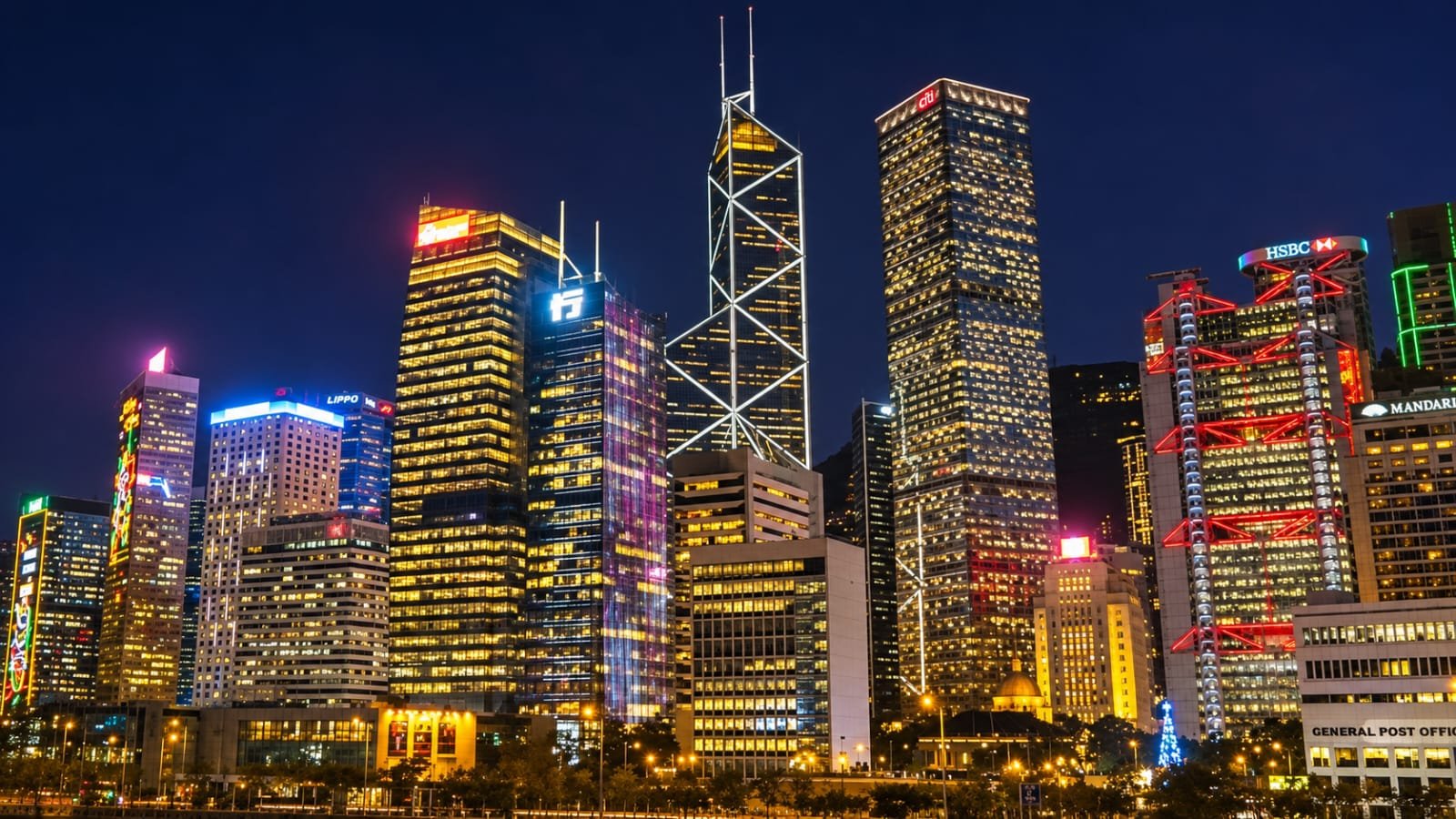
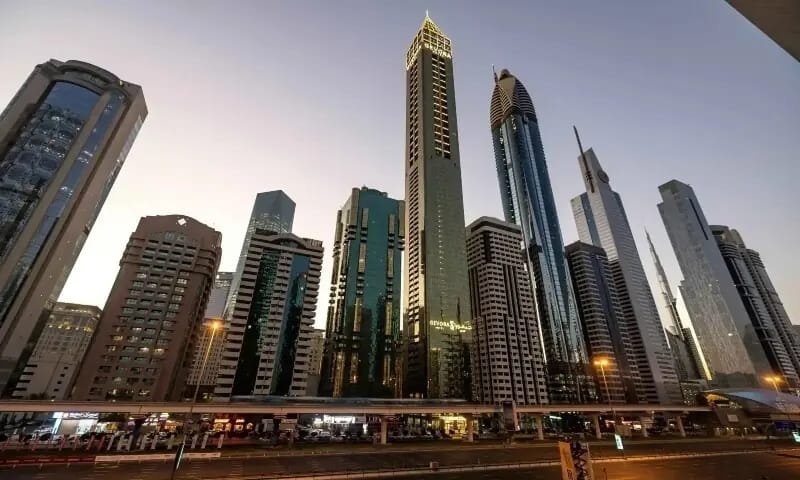
According to a media report, thousands of Pakistanis have invested hundreds of millions of dollars in Dubai, particularly in the real estate sector. Pakistan has on two occasions been identified as the second-largest foreign investor in Dubai’s property market, reflecting the scale of Pakistani participation in the emirate’s real estate sector.
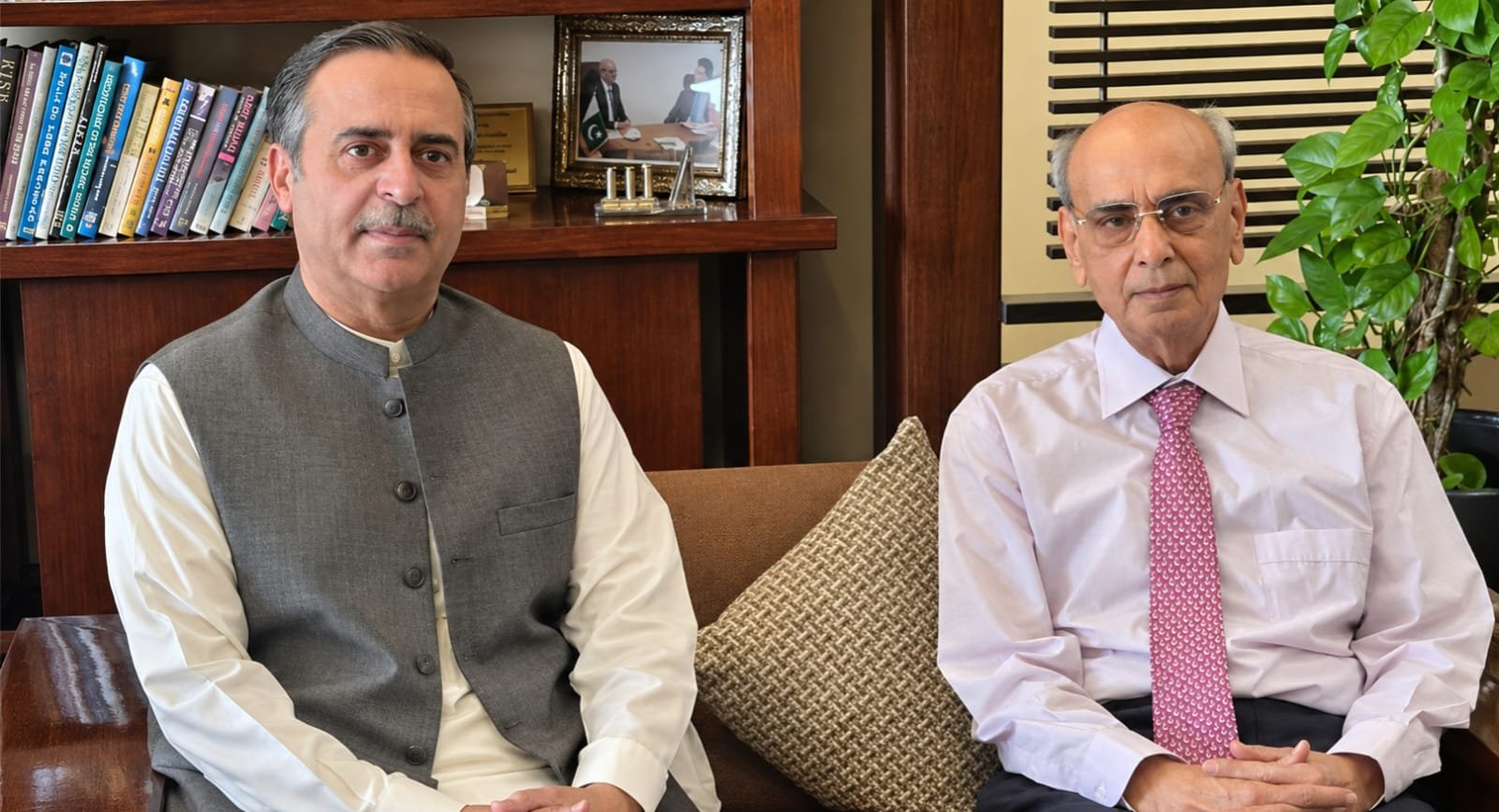
All Pakistan Builders Association Chairman Hassan Bakhshi said that approximately $60 million in allegedly illegal or undeclared money was being generated in Pakistan every month and subsequently invested in Dubai. He claimed that this flow has now largely stopped because of the conflict and growing uncertainty across the Gulf region.
Currency dealers said the investment trend has begun to reverse, with some Pakistani investors attempting to bring liquid assets back from Dubai. They said increased remittances from the UAE could partly reflect the repatriation of funds by Pakistanis who are reassessing their investments amid the prevailing geopolitical situation.
The conflict has also affected Dubai’s attractiveness as an investment and tourism destination. Pakistani investors who previously used Dubai as a base for conducting international business are reportedly facing difficulties in recovering or moving their investments because of the uncertain environment.
Before the conflict, a number of Pakistani technology companies had also established operations in Dubai, attracted by its relatively business-friendly environment. Some businesses had moved abroad citing challenges in Pakistan, including internet connectivity disruptions and concerns over regulatory and tax-related interference.
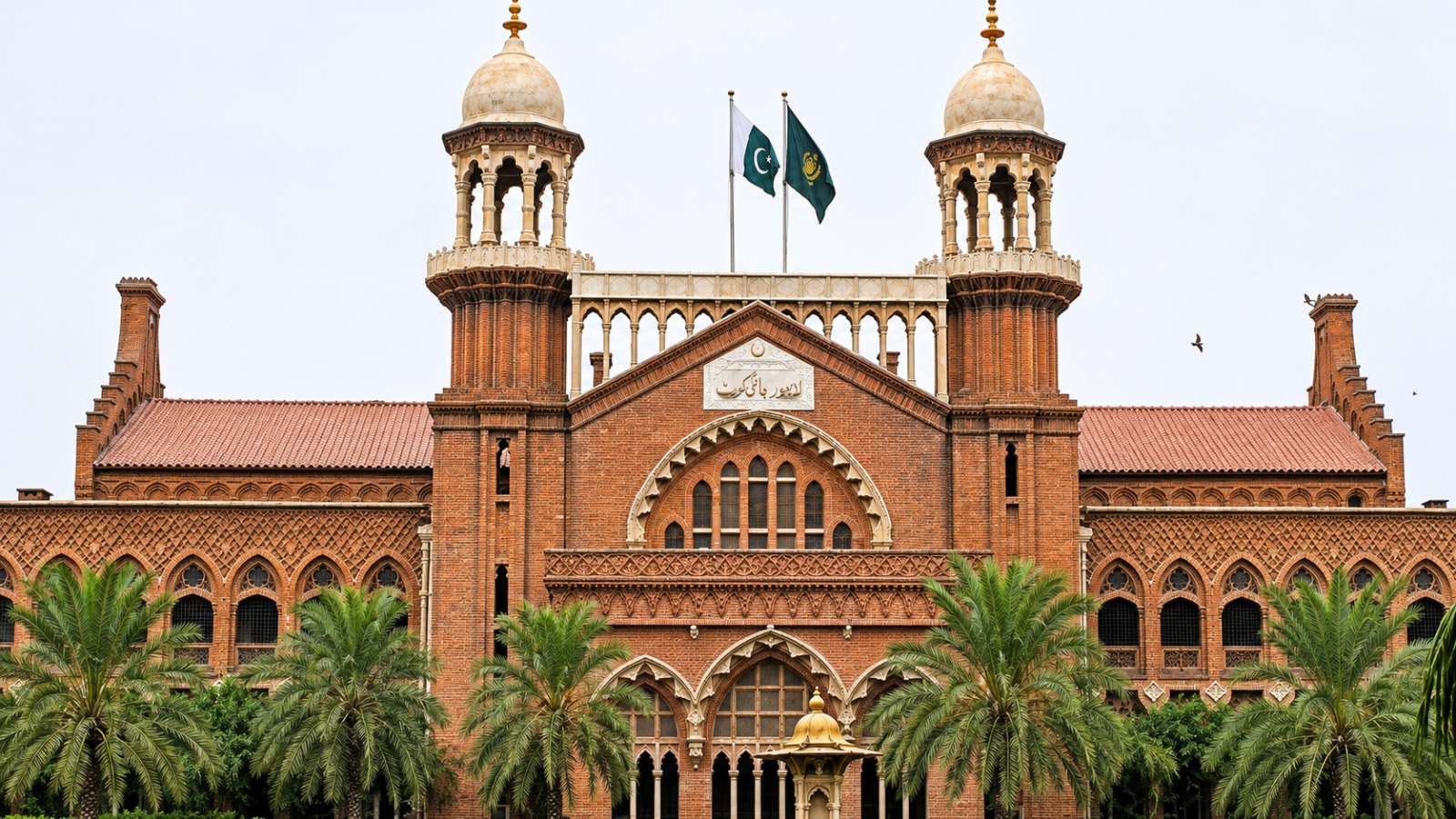
Property market participants said the changing investment environment has encouraged some capital to return to Pakistan. Defence, in particular, has emerged as a preferred destination because investors consider property transactions there relatively secure and less exposed to issues such as double filing and fraudulent dealings.
Bakhshi claimed that property prices in Defence had increased by around 50% to 60% since the beginning of the Gulf war, with substantial amounts of redirected capital entering the market.
The trend is not limited to Lahore. Property dealers in Karachi have also reported a significant increase in prices and market activity. According to property dealer Karim Dad, property prices in several parts of Karachi have risen by approximately 20% to 25%, while both buying and selling activity has increased as liquidity improves.
Market participants also attributed the recovery partly to government measures aimed at supporting the construction and property sectors. They said improved liquidity, greater domestic investment and expectations of continued government support could further strengthen Pakistan’s real estate market.
Currency dealers believe that if the regional situation remains unstable, additional capital could gradually move back to Pakistan. However, they said the eventual scale of repatriation would depend heavily on how quickly conditions in the Gulf normalize and whether investor confidence in Dubai’s property market recovers.
The developments mark a notable shift in the flow of Pakistani property investment, with geopolitical uncertainty in the Gulf potentially encouraging capital that once moved toward Dubai to seek opportunities in Pakistan’s domestic real estate market.
دبئی | ری نیوز پاکستان
جاری خلیجی جنگ نے پاکستانی سرمایہ کاروں کے سرمایہ کاری کے رجحانات میں نمایاں تبدیلی پیدا کر دی ہے۔ پاکستان سے دبئی جانے والے نئے سرمائے کی واپسی میں مبینہ طور پر نمایاں کمی آئی ہے، جبکہ امارات میں پہلے سے سرمایہ کاری کرنے والے افراد اپنے فنڈز پاکستان واپس لا کر ملکی پراپرٹی مارکیٹ میں دوبارہ سرمایہ کاری پر غور کر رہے ہیں۔
میڈیا رپورٹ کے مطابق ہزاروں پاکستانیوں نے دبئی، بالخصوص رئیل اسٹیٹ کے شعبے میں، کروڑوں ڈالر کی سرمایہ کاری کر رکھی ہے۔ پاکستان کو دو مرتبہ دبئی کی پراپرٹی مارکیٹ میں دوسرے بڑے غیر ملکی سرمایہ کار کے طور پر تسلیم کیا جا چکا ہے، جو امارات کے رئیل اسٹیٹ شعبے میں پاکستانی سرمایہ کاری کے حجم کو ظاہر کرتا ہے۔
آل پاکستان بلڈرز ایسوسی ایشن کے چیئرمین حسن بخشی نے کہا کہ پاکستان میں ہر ماہ تقریباً 6 کروڑ ڈالر کی مبینہ غیر قانونی یا غیر ظاہر شدہ رقم پیدا ہو کر بعد ازاں دبئی میں سرمایہ کاری کی جا رہی تھی۔ ان کا دعویٰ ہے کہ خلیجی خطے میں تنازع اور بڑھتی ہوئی غیر یقینی صورتحال کے باعث یہ سلسلہ اب بڑی حد تک رک گیا ہے۔
کرنسی ڈیلرز کے مطابق سرمایہ کاری کا رجحان اب تبدیل ہونا شروع ہو گیا ہے اور بعض پاکستانی سرمایہ کار دبئی سے اپنے مائع اثاثے واپس لانے کی کوشش کر رہے ہیں۔ ان کا کہنا ہے کہ متحدہ عرب امارات سے ترسیلات زر میں اضافہ جزوی طور پر ان پاکستانیوں کی جانب سے رقوم کی واپسی کی عکاسی کر سکتا ہے جو موجودہ جغرافیائی سیاسی صورتحال کے باعث اپنی سرمایہ کاری کا ازسرنو جائزہ لے رہے ہیں۔
تنازع نے دبئی کی بطور سرمایہ کاری اور سیاحتی مرکز کشش کو بھی متاثر کیا ہے۔ پاکستانی سرمایہ کار، جو پہلے بین الاقوامی کاروبار کے لیے دبئی کو مرکز کے طور پر استعمال کرتے تھے، مبینہ طور پر غیر یقینی ماحول کے باعث اپنی سرمایہ کاری واپس لینے یا منتقل کرنے میں مشکلات کا سامنا کر رہے ہیں۔
تنازع سے قبل متعدد پاکستانی ٹیکنالوجی کمپنیوں نے بھی دبئی میں اپنے آپریشنز قائم کیے تھے، کیونکہ وہاں کاروبار کے لیے نسبتاً سازگار ماحول موجود تھا۔ بعض کاروباری اداروں نے پاکستان میں انٹرنیٹ کنیکٹیویٹی میں رکاوٹوں اور ٹیکس سے متعلق مداخلت کے خدشات سمیت دیگر مسائل کے باعث بیرون ملک منتقل ہونے کا فیصلہ کیا تھا۔
پراپرٹی مارکیٹ سے وابستہ افراد کا کہنا ہے کہ سرمایہ کاری کے بدلتے ہوئے ماحول نے کچھ سرمائے کو پاکستان واپس آنے کی ترغیب دی ہے۔ خاص طور پر ڈیفنس سرمایہ کاروں کی ترجیحی منزل بن کر ابھرا ہے، کیونکہ سرمایہ کار وہاں پراپرٹی کے لین دین کو نسبتاً محفوظ سمجھتے ہیں اور اسے ڈبل فائلنگ اور فراڈ پر مبنی معاملات جیسے مسائل سے کم متاثر تصور کرتے ہیں۔
حسن بخشی نے دعویٰ کیا کہ خلیجی جنگ کے آغاز سے ڈیفنس میں جائیداد کی قیمتوں میں تقریباً 50 سے 60 فیصد اضافہ ہوا ہے، جبکہ قابل ذکر سرمایہ اس مارکیٹ میں داخل ہوا ہے۔
یہ رجحان صرف لاہور تک محدود نہیں۔ کراچی کے پراپرٹی ڈیلرز نے بھی قیمتوں اور مارکیٹ سرگرمی میں نمایاں اضافے کی اطلاع دی ہے۔ پراپرٹی ڈیلر کریم داد کے مطابق کراچی کے مختلف علاقوں میں جائیداد کی قیمتیں تقریباً 20 سے 25 فیصد بڑھ گئی ہیں، جبکہ لیکویڈیٹی میں بہتری کے باعث خرید و فروخت کی سرگرمیوں میں بھی اضافہ ہوا ہے۔
مارکیٹ سے وابستہ افراد نے بحالی کی ایک وجہ حکومت کی جانب سے تعمیرات اور پراپرٹی کے شعبوں کی بہتری کے لیے کیے گئے اقدامات کو بھی قرار دیا ہے۔ ان کا کہنا ہے کہ بہتر لیکویڈیٹی، ملکی سرمایہ کاری میں اضافہ اور حکومتی تعاون جاری رہنے کی توقعات پاکستان کی رئیل اسٹیٹ مارکیٹ کو مزید مضبوط بنا سکتی ہیں۔
کرنسی ڈیلرز کا خیال ہے کہ اگر خطے کی صورتحال غیر مستحکم رہی تو مزید سرمایہ بتدریج پاکستان واپس آ سکتا ہے۔ تاہم ان کا کہنا ہے کہ رقوم کی واپسی کا حتمی حجم اس بات پر منحصر ہوگا کہ خلیج میں حالات معمول پر آنے میں کتنا وقت لگتا ہے اور دبئی کی پراپرٹی مارکیٹ پر سرمایہ کاروں کا اعتماد بحال ہوتا ہے یا نہیں۔
یہ پیش رفت پاکستانی پراپرٹی سرمایہ کاری کے بہاؤ میں ایک نمایاں تبدیلی کی نشاندہی کرتی ہے، جہاں خلیج میں جغرافیائی سیاسی غیر یقینی صورتحال ممکنہ طور پر اس سرمائے کو پاکستان کی مقامی رئیل اسٹیٹ مارکیٹ میں مواقع تلاش کرنے پر آمادہ کر رہی ہے جو پہلے دبئی کا رخ کرتا تھا۔