تاریخ اشاعت: August 17, 2026 - 10:30 AM
Pakistan’s Real Estate Sector Enters New Phase as Digitalisation and Infrastructure Reforms Accelerate
ڈیجیٹل نظام اور جدید انفراسٹرکچر سے پاکستان کا رئیل اسٹیٹ شعبہ نئے مرحلے میں داخل
▫️ڈیجیٹل لینڈ ریکارڈ، ٹیکس اصلاحات، جدید انفراسٹرکچر اور موسمی خطرات سے محفوظ ترقی کے اقدامات پراپرٹی مارکیٹ کو زیادہ شفاف اور سرمایہ کاری کیلئے موزوں بنانے میں مدد دے رہے ہیں: رپورٹ
Islamabad | ReNews PakistanPakistan’s real estate sector is entering a new phase as modern infrastructure, digital land administration, improved documentation and environmentally responsible urban planning begin to reshape the country’s ...
Islamabad | ReNews Pakistan
Pakistan’s real estate sector is entering a new phase as modern infrastructure, digital land administration, improved documentation and environmentally responsible urban planning begin to reshape the country’s property market.
Property remains one of Pakistan’s most popular investment options, but its economic importance extends far beyond land and buildings. Real estate activity supports construction, banking, manufacturing, engineering, transport, building materials and employment, making it an important contributor to the wider economy.
According to the Pakistan Economic Survey 2025-26, the construction sector grew by 5.73% during the financial year, while real estate activities expanded by 3.63%. Real estate activities accounted for around 5.86% of gross domestic product, underlining the sector’s significant economic contribution.
One of the most important developments is the gradual shift from manual land administration towards digital systems. Computerised land records, online verification services and electronic property procedures are making ownership information easier to access and reducing dependence on paper-based records.
Digitalisation can help improve transparency, reduce opportunities for document manipulation and make property transactions easier to verify. It can also support banks and financial institutions in checking ownership and assessing properties used as collateral, which could help expand formal housing finance.
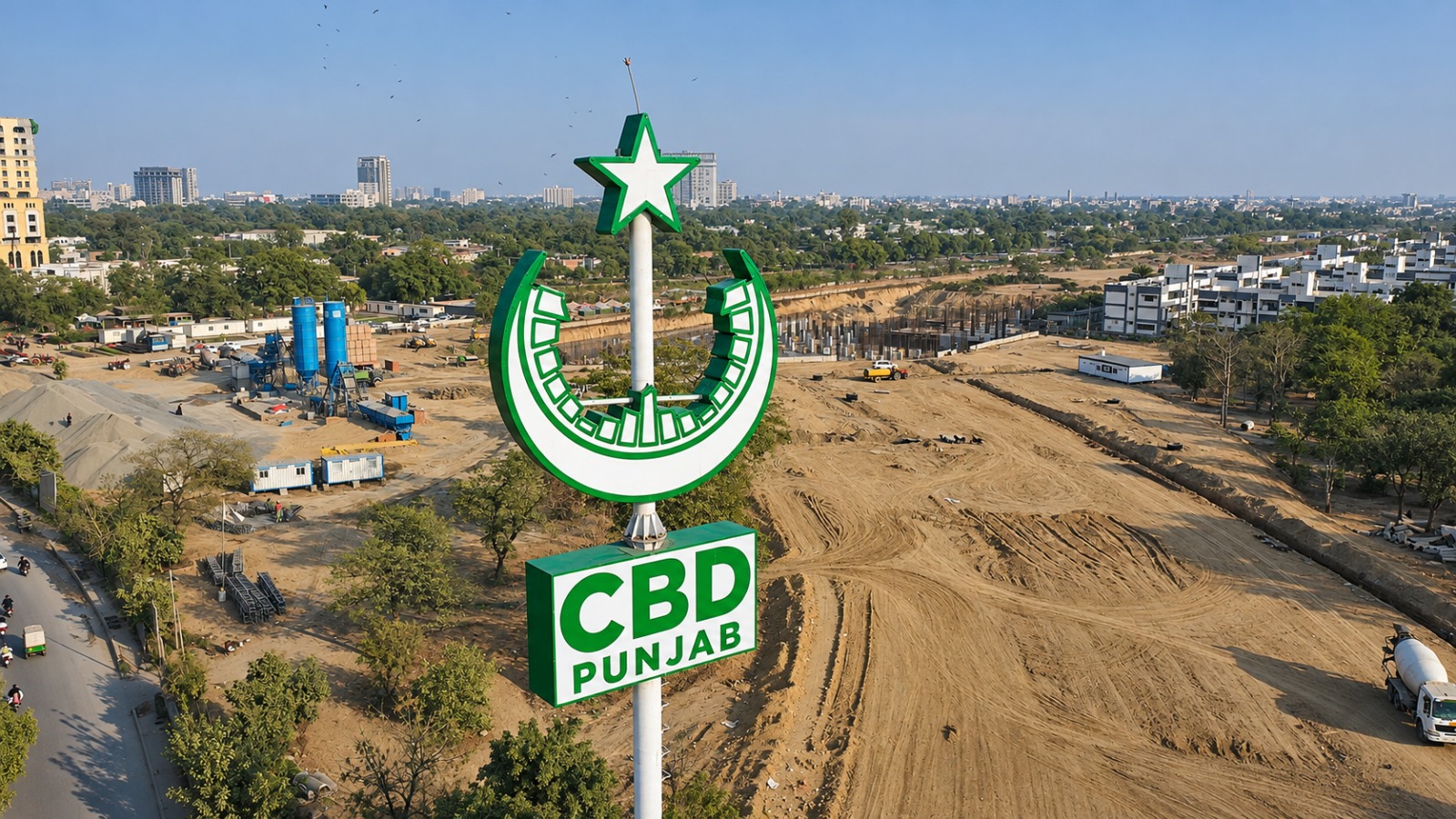
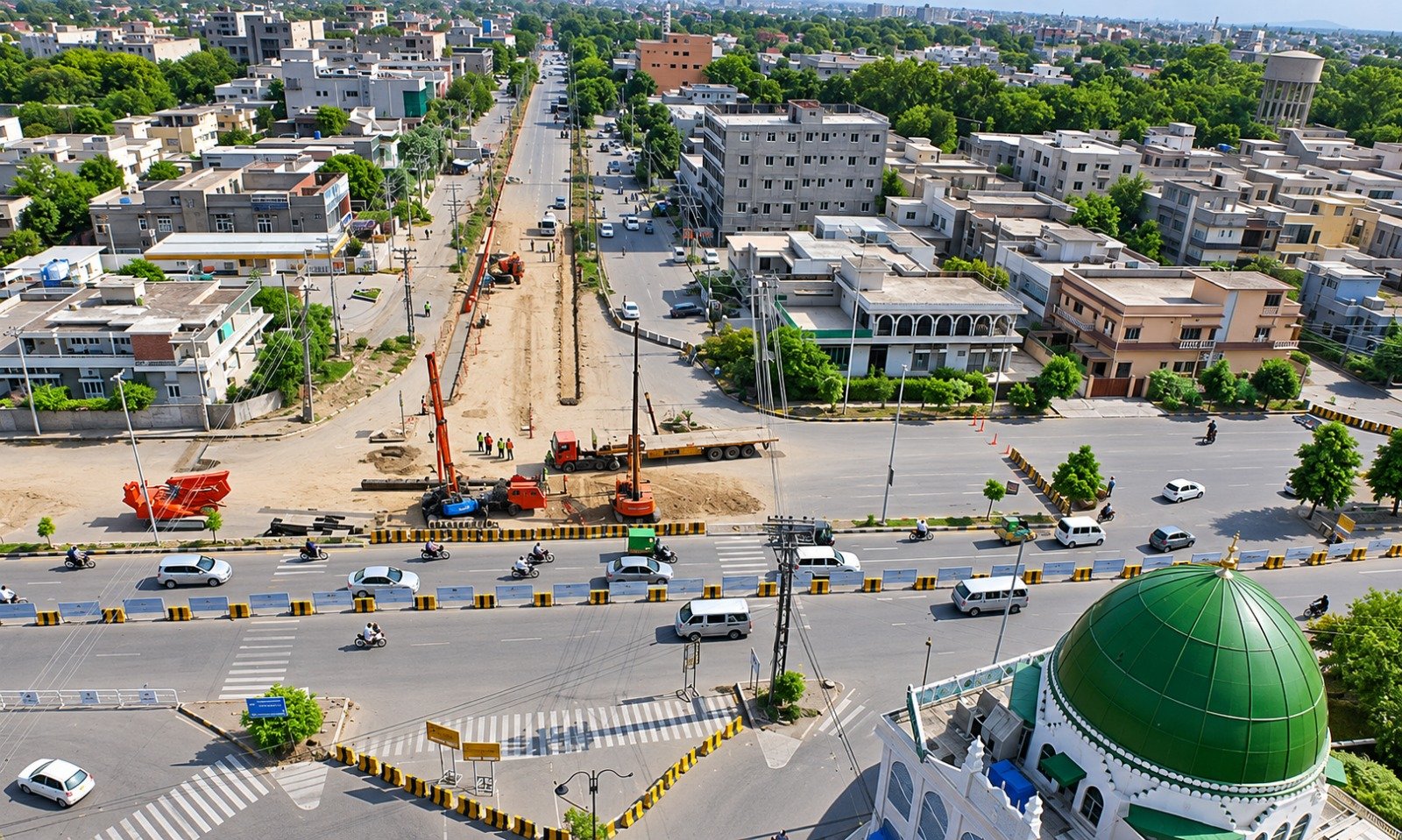
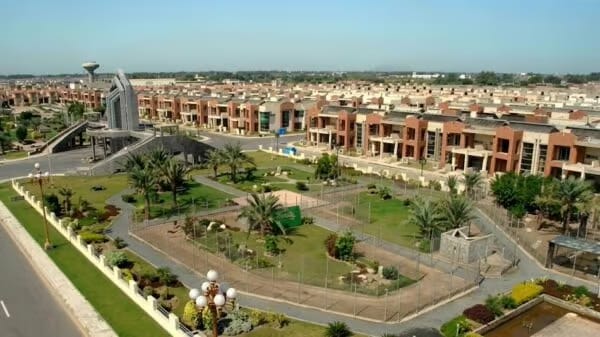
Infrastructure development is also reshaping property markets. New roads, expressways, public transport systems, commercial districts and utility networks are opening new development corridors and increasing the attractiveness of previously peripheral locations.
However, infrastructure-led expansion requires careful planning. Housing and commercial development must be supported by adequate roads, drainage, water supply, public transport and other essential services to avoid adding pressure to already crowded cities.
Pakistan is also working to bring more property transactions into the documented economy. Real estate has long faced challenges including under-declaration of property values, complicated taxation and informal transactions.
Tax reforms and improved valuation systems can strengthen transparency, but policymakers need to ensure that transaction costs do not discourage legitimate buyers and investors. A stable and predictable tax regime is particularly important because major real estate projects often take several years to complete.
Climate resilience is becoming another major consideration. Pakistan’s exposure to floods, extreme heat and water shortages means future developments will increasingly need better drainage, flood protection, water management, energy-efficient buildings and responsible land-use planning.
Despite continuing challenges such as land disputes, regulatory complexity and inconsistent approvals, the combination of digital records, infrastructure investment, better documentation, tax reform and sustainable planning could make Pakistan’s property market more transparent and attractive.
With construction and real estate activity already recording growth, the sector’s long-term potential will depend on whether Pakistan can combine investment with stronger regulation, reliable land records and climate-resilient urban development.
اسلام آباد | ری نیوز پاکستان
پاکستان کا رئیل اسٹیٹ شعبہ ایک نئے مرحلے میں داخل ہو رہا ہے، جہاں جدید انفراسٹرکچر، زمین کے ریکارڈ کی ڈیجیٹلائزیشن، بہتر دستاویزی نظام اور ماحول دوست شہری منصوبہ بندی ملک کی پراپرٹی مارکیٹ کو بتدریج نئی شکل دے رہی ہے۔
پراپرٹی پاکستان میں سرمایہ کاری کے مقبول ذرائع میں شامل ہے، تاہم اس شعبے کی معاشی اہمیت صرف زمین اور عمارتوں کی خرید و فروخت تک محدود نہیں۔ رئیل اسٹیٹ سے تعمیرات، بینکاری، مینوفیکچرنگ، انجینئرنگ، ٹرانسپورٹ، تعمیراتی سامان اور روزگار سمیت کئی شعبے براہ راست جڑے ہوئے ہیں۔
پاکستان اکنامک سروے 26-2025 کے مطابق مالی سال کے دوران تعمیراتی شعبے میں 5.73 فیصد اضافہ ریکارڈ کیا گیا، جبکہ رئیل اسٹیٹ سرگرمیوں میں 3.63 فیصد نمو ہوئی۔ رئیل اسٹیٹ سرگرمیوں کا مجموعی قومی پیداوار میں حصہ تقریباً 5.86 فیصد رہا، جو ملکی معیشت میں اس شعبے کی اہمیت کو ظاہر کرتا ہے۔
اس شعبے میں اہم تبدیلیوں میں سے ایک زمین کے روایتی اور کاغذی ریکارڈ سے ڈیجیٹل نظام کی طرف منتقلی ہے۔ کمپیوٹرائزڈ لینڈ ریکارڈ، آن لائن تصدیق کی سہولیات اور پراپرٹی سے متعلق الیکٹرانک طریقہ کار کی وجہ سے ملکیت کی معلومات تک رسائی آسان ہو رہی ہے اور کاغذی ریکارڈ پر انحصار کم ہو رہا ہے۔
ڈیجیٹل نظام سے شفافیت بہتر بنانے، دستاویزات میں ردوبدل کے امکانات کم کرنے اور پراپرٹی کے لین دین کی تصدیق آسان بنانے میں مدد مل سکتی ہے۔ یہ نظام بینکوں اور مالیاتی اداروں کیلئے ملکیت کی جانچ اور قرض کیلئے رہن رکھی جانے والی پراپرٹی کی تصدیق بھی آسان بنا سکتا ہے، جس سے باضابطہ ہاؤسنگ فنانس کے دائرہ کار میں اضافہ ممکن ہے۔
انفراسٹرکچر کی ترقی بھی پراپرٹی مارکیٹ کو تیزی سے تبدیل کر رہی ہے۔ نئی سڑکیں، ایکسپریس ویز، پبلک ٹرانسپورٹ، کمرشل ڈسٹرکٹس اور یوٹیلٹی نیٹ ورکس نئے ترقیاتی علاقوں کو سامنے لا رہے ہیں اور پہلے نسبتاً دور سمجھے جانے والے مقامات کی اہمیت بڑھا رہے ہیں۔
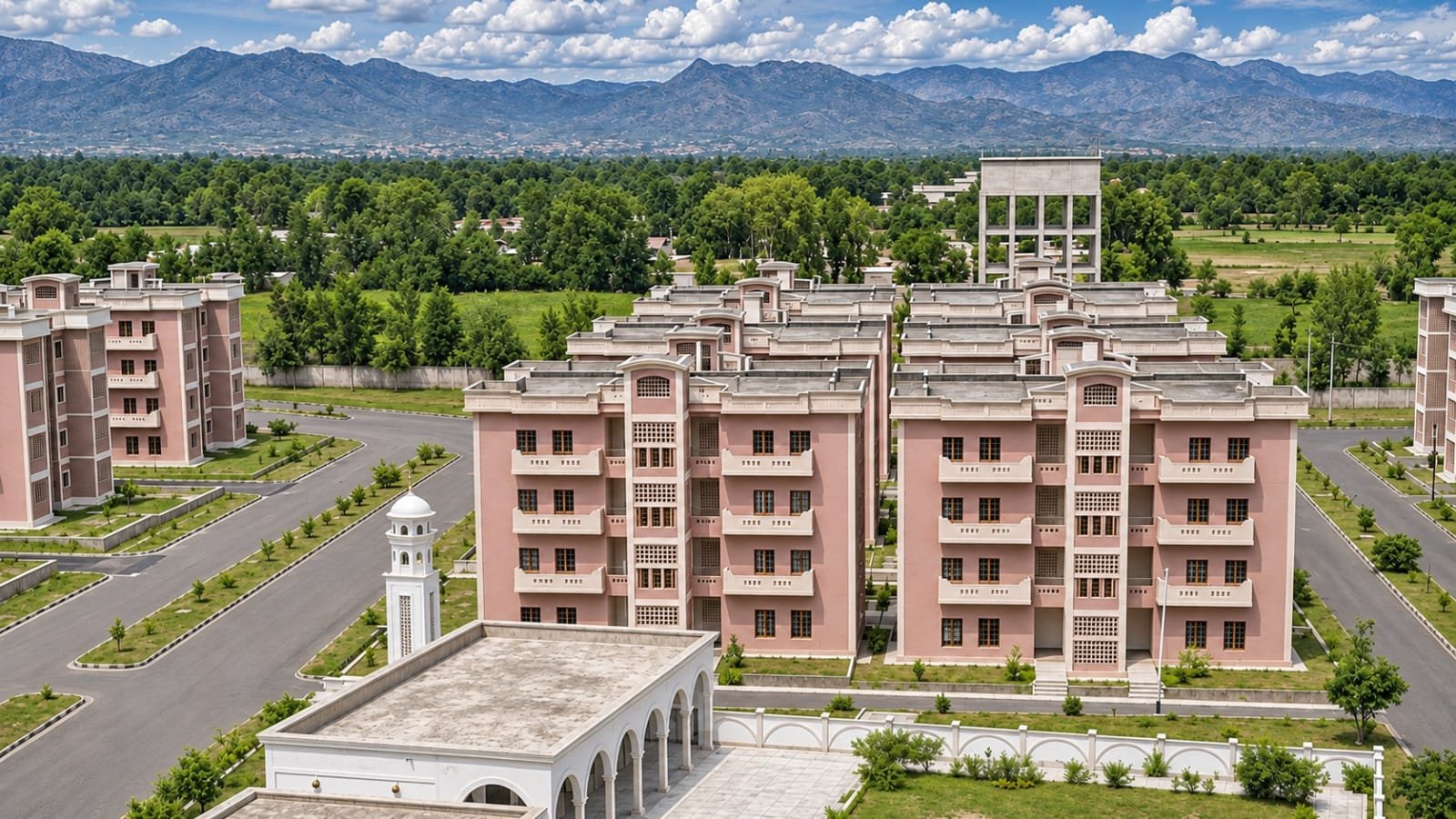
تاہم انفراسٹرکچر کی بنیاد پر ہونے والی شہری توسیع کیلئے مؤثر منصوبہ بندی ضروری ہے۔ رہائشی اور کمرشل منصوبوں کے ساتھ مناسب سڑکیں، نکاسی آب، پانی، پبلک ٹرانسپورٹ اور دیگر بنیادی سہولیات کی فراہمی ضروری ہے تاکہ پہلے سے دباؤ کا شکار شہروں پر مزید بوجھ نہ پڑے۔
پاکستان میں پراپرٹی کے زیادہ سے زیادہ لین دین کو دستاویزی معیشت میں لانے کیلئے بھی اقدامات کیے جا رہے ہیں۔ رئیل اسٹیٹ شعبے کو طویل عرصے سے پراپرٹی کی کم قیمت ظاہر کرنے، پیچیدہ ٹیکس نظام اور غیر رسمی لین دین جیسے مسائل کا سامنا رہا ہے۔
ٹیکس اصلاحات اور بہتر ویلیوایشن نظام شفافیت بڑھا سکتے ہیں، تاہم پالیسی سازوں کیلئے ضروری ہے کہ لین دین کی لاگت اس حد تک نہ بڑھے کہ قانونی خریدار اور سرمایہ کار متاثر ہوں۔ بڑے رئیل اسٹیٹ منصوبوں کی تکمیل میں کئی سال لگ سکتے ہیں، اس لیے مستحکم اور قابل پیش گوئی ٹیکس نظام خاص اہمیت رکھتا ہے۔
موسمی خطرات سے محفوظ تعمیرات بھی اب ایک اہم ضرورت بنتی جا رہی ہیں۔ پاکستان کو سیلاب، شدید گرمی اور پانی کی قلت جیسے مسائل کا سامنا ہے، اس لیے مستقبل کے منصوبوں میں بہتر نکاسی آب، سیلاب سے تحفظ، پانی کے مؤثر استعمال، توانائی بچانے والی عمارتوں اور ذمہ دارانہ زمین کے استعمال پر زیادہ توجہ دینا ہوگی۔
زمین کے تنازعات، پیچیدہ قواعد اور منظوری کے غیر یکساں نظام جیسے مسائل اب بھی موجود ہیں، تاہم ڈیجیٹل ریکارڈ، انفراسٹرکچر میں سرمایہ کاری، بہتر دستاویزی نظام، ٹیکس اصلاحات اور پائیدار شہری منصوبہ بندی پاکستان کی پراپرٹی مارکیٹ کو زیادہ شفاف اور سرمایہ کاری کیلئے زیادہ پرکشش بنانے میں اہم کردار ادا کر سکتی ہے۔
تعمیرات اور رئیل اسٹیٹ سرگرمیوں میں موجودہ نمو کے بعد اس شعبے کی طویل مدتی ترقی اس بات پر منحصر ہوگی کہ پاکستان سرمایہ کاری کو بہتر ضابطوں، قابل اعتماد لینڈ ریکارڈ اور موسمی خطرات سے محفوظ شہری ترقی کے ساتھ کس حد تک جوڑ پاتا ہے۔