
تاریخ اشاعت: August 21, 2026 - 5:04 PM
US Housing Market Shifts as Affordability Crisis Leaves Buyers on the Sidelines
امریکہ کی ہاؤسنگ مارکیٹ تبدیل، مہنگے گھروں کے خریداروں کی تعداد میں کمی واقع ہوگئی
▫️بلند قیمتوں، مہنگے رہن قرضوں اور گھریلو مالی دباؤ نے خاص طور پر پہلی مرتبہ گھر خریدنے والوں اور محدود بجٹ رکھنے والے خاندانوں کیلئے اپنی رہائش خریدنا مزید مشکل بنا دیا ہے
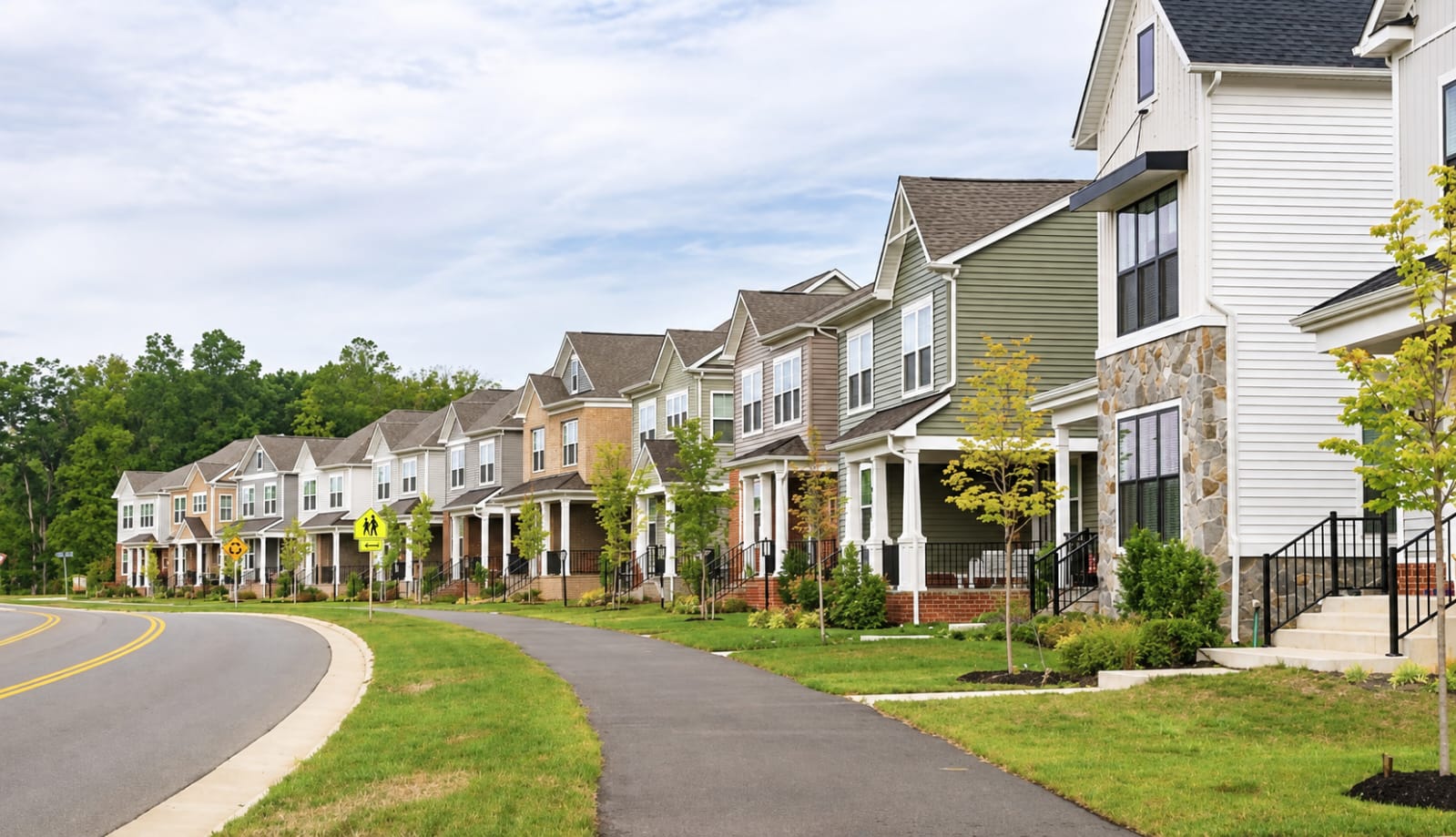
Washington DC | ReNews International Desk News The US housing market is entering a new phase in which the central challenge is increasingly not simply the availability of homes, but whether Americans can afford to buy them.
Washington DC | ReNews International Desk News
The US housing market is entering a new phase in which the central challenge is increasingly not simply the availability of homes, but whether Americans can afford to buy them.
While the country is not experiencing a record flood of new property listings, the balance between buyers and sellers is shifting in many markets. Fewer prospective buyers are actively competing for homes, leaving some properties on the market longer and giving those who remain greater negotiating power.
The changing conditions represent a significant departure from the intense competition that characterized much of the housing market during and immediately after the pandemic, when limited inventory and exceptionally strong demand frequently produced bidding wars and rapid price increases.
Affordability has now emerged as one of the biggest constraints on housing demand. Home prices remain high in many parts of the country, while borrowing costs have made monthly mortgage payments considerably more difficult for households to absorb. The combination has pushed homeownership beyond the financial reach of many potential buyers, particularly first time purchasers and households with limited flexibility in their budgets.
As a result, the market can appear better supplied even without an unprecedented increase in the number of homes being listed for sale. When fewer buyers are able or willing to enter the market, existing inventory takes longer to clear, increasing the number of homes available at any given time.
That shift is strengthening the position of buyers who remain financially capable of purchasing. In markets where demand has weakened, buyers may have more room to negotiate over prices, closing costs, repairs and other terms that sellers were less willing to discuss during periods of intense competition.
For sellers, the adjustment can be more difficult. Homes that might previously have attracted several offers quickly may now require longer marketing periods, price reductions or other concessions to secure a buyer. Sellers who entered the market expecting the conditions of previous years may increasingly need to adjust their expectations.
However, the national picture remains highly uneven.
Some US housing markets continue to suffer from significant shortages of available homes, particularly in areas where construction has failed to keep pace with population growth and household formation. Limited supply in these locations can continue to support prices even when affordability is under pressure.
Other markets are moving in the opposite direction. Where inventory has increased relative to demand, sellers are competing more aggressively for a smaller pool of qualified buyers. These areas are more likely to experience longer listing periods, greater price flexibility and stronger buyer bargaining power.
The result is an increasingly divided American housing market. Instead of one nationwide trend, local supply, demand, construction activity, prices and household purchasing power are producing sharply different conditions from one region to another.
The key question for the housing sector is therefore changing. It is no longer only whether the United States has enough homes available for sale, but whether enough Americans can afford those homes.
For now, market conditions increasingly point to the same conclusion: fewer active buyers, greater negotiating power for those still shopping, and a widening gap between markets where housing remains scarce and those where sellers are competing for demand.
واشنگٹن ڈی سی | ری نیوز انٹرنیشنل ڈیسک
امریکہ کی ہاؤسنگ مارکیٹ ایک نئے مرحلے میں داخل ہو رہی ہے جہاں بنیادی مسئلہ اب صرف یہ نہیں رہا کہ فروخت کیلئے کافی گھر موجود ہیں یا نہیں، بلکہ اصل سوال یہ بن گیا ہے کہ کتنے امریکی ان گھروں کو خریدنے کی مالی استطاعت رکھتے ہیں۔
اگرچہ ملک میں فروخت کیلئے نئے گھروں کی تعداد ریکارڈ سطح پر نہیں پہنچی، تاہم کئی مارکیٹوں میں خریداروں اور فروخت کنندگان کے درمیان توازن تبدیل ہو رہا ہے۔ گھروں کی خریداری کیلئے میدان میں موجود ممکنہ خریداروں کی تعداد کم ہو رہی ہے، جس کے باعث بعض جائیدادیں زیادہ عرصے تک مارکیٹ میں جوں کی توں پڑی ہیں جبکہ موجود خریداروں کو قیمت اور دیگر شرائط پر زیادہ سودے بازی کا موقع مل رہا ہے۔
یہ صورتحال کورونا وبا کے دوران اور اس کے فوری بعد کی ہاؤسنگ مارکیٹ سے نمایاں طور پر مختلف ہے، جب گھروں کی محدود دستیابی اور غیر معمولی طلب کے باعث اکثر ایک ہی گھر کیلئے کئی خریدار سامنے آتے تھے اور قیمتیں تیزی سے بڑھتی تھیں۔
اب گھروں کی خریداری کی استطاعت ہاؤسنگ طلب کیلئے سب سے بڑی رکاوٹوں میں سے ایک بن چکی ہے۔ ملک کے کئی علاقوں میں گھروں کی قیمتیں اب بھی بلند ہیں جبکہ رہن قرضوں کی مہنگی شرحوں نے ماہانہ اقساط کا بوجھ بھی بڑھا دیا ہے۔ اس صورتحال نے خاص طور پر پہلی مرتبہ گھر خریدنے والوں اور محدود بجٹ رکھنے والے خاندانوں کیلئے اپنی رہائش خریدنا مزید مشکل بنا دیا ہے۔
اسی وجہ سے بعض علاقوں میں یہ تاثر پیدا ہو رہا ہے کہ مارکیٹ میں گھروں کی فراہمی بہتر ہو گئی ہے، حالانکہ نئے گھروں کی فہرستوں میں غیر معمولی اضافہ نہیں ہوا۔ جب خریداروں کی تعداد کم ہو تو موجود گھر فروخت ہونے میں زیادہ وقت لیتے ہیں اور کسی بھی وقت مارکیٹ میں دستیاب گھروں کی مجموعی تعداد بڑھ جاتی ہے۔
اس تبدیلی سے ایسے خریداروں کی پوزیشن مضبوط ہو رہی ہے جو اب بھی گھر خریدنے کی مالی صلاحیت رکھتے ہیں۔ جہاں طلب کمزور ہوئی ہے وہاں خریدار قیمت میں کمی، لین دین کے اخراجات، مرمت اور دیگر شرائط پر زیادہ مؤثر انداز میں مذاکرات کر سکتے ہیں۔
فروخت کنندگان کیلئے یہ صورتحال نسبتاً مشکل ثابت ہو رہی ہے۔ وہ گھر جو ماضی میں چند دنوں میں کئی پیشکشیں حاصل کر لیتے تھے، اب زیادہ عرصہ مارکیٹ میں رہ سکتے ہیں، جبکہ بعض فروخت کنندگان کو قیمت کم کرنے یا اضافی رعایتیں دینے پر بھی مجبور ہونا پڑ رہا ہے۔
تاہم پورے امریکہ میں صورتحال یکساں نہیں ہے۔
کئی علاقوں میں اب بھی گھروں کی شدید کمی موجود ہے، خاص طور پر وہاں جہاں نئی تعمیرات آبادی اور نئے گھرانوں کی بڑھتی ہوئی تعداد کے مطابق نہیں ہو سکیں۔ ایسے علاقوں میں محدود فراہمی بلند قیمتوں کو سہارا دے سکتی ہے، چاہے خریداروں کی مالی استطاعت پر دباؤ برقرار رہے۔
اس کے برعکس بعض دوسری مارکیٹوں میں صورتحال تیزی سے خریداروں کے حق میں تبدیل ہو رہی ہے۔ جہاں طلب کے مقابلے میں دستیاب گھروں کی تعداد بڑھ گئی ہے، وہاں فروخت کنندگان محدود خریداروں کیلئے ایک دوسرے سے زیادہ مقابلہ کر رہے ہیں۔ ایسے علاقوں میں گھروں کو فروخت ہونے میں زیادہ وقت لگنے، قیمتوں میں لچک اور خریداروں کی سودے بازی کی طاقت بڑھنے کے امکانات زیادہ ہیں۔
یوں امریکی ہاؤسنگ مارکیٹ میں علاقائی فرق مزید واضح ہوتا جا رہا ہے۔ اب پورے ملک کیلئے ایک ہی رجحان بیان کرنا مشکل ہے کیونکہ مختلف شہروں اور ریاستوں میں گھروں کی فراہمی، طلب، نئی تعمیرات، قیمتوں اور شہریوں کی قوت خرید کے مطابق حالات مختلف ہیں۔
ہاؤسنگ سیکٹر کیلئے بنیادی سوال بھی تبدیل ہو چکا ہے۔ مسئلہ اب صرف یہ نہیں کہ امریکہ میں فروخت کیلئے کافی گھر موجود ہیں یا نہیں، بلکہ یہ ہے کہ کتنے امریکی ان گھروں کو خریدنے کی استطاعت رکھتے ہیں۔
موجودہ رجحانات یہی ظاہر کرتے ہیں کہ خریداروں کی تعداد کم ہو رہی ہے، مارکیٹ میں موجود خریداروں کی سودے بازی کی طاقت بڑھ رہی ہے اور ان علاقوں کے درمیان فرق مزید گہرا ہو رہا ہے جہاں گھروں کی کمی برقرار ہے اور جہاں فروخت کنندگان خریداروں کیلئے ایک دوسرے سے مقابلہ کر رہے ہیں۔